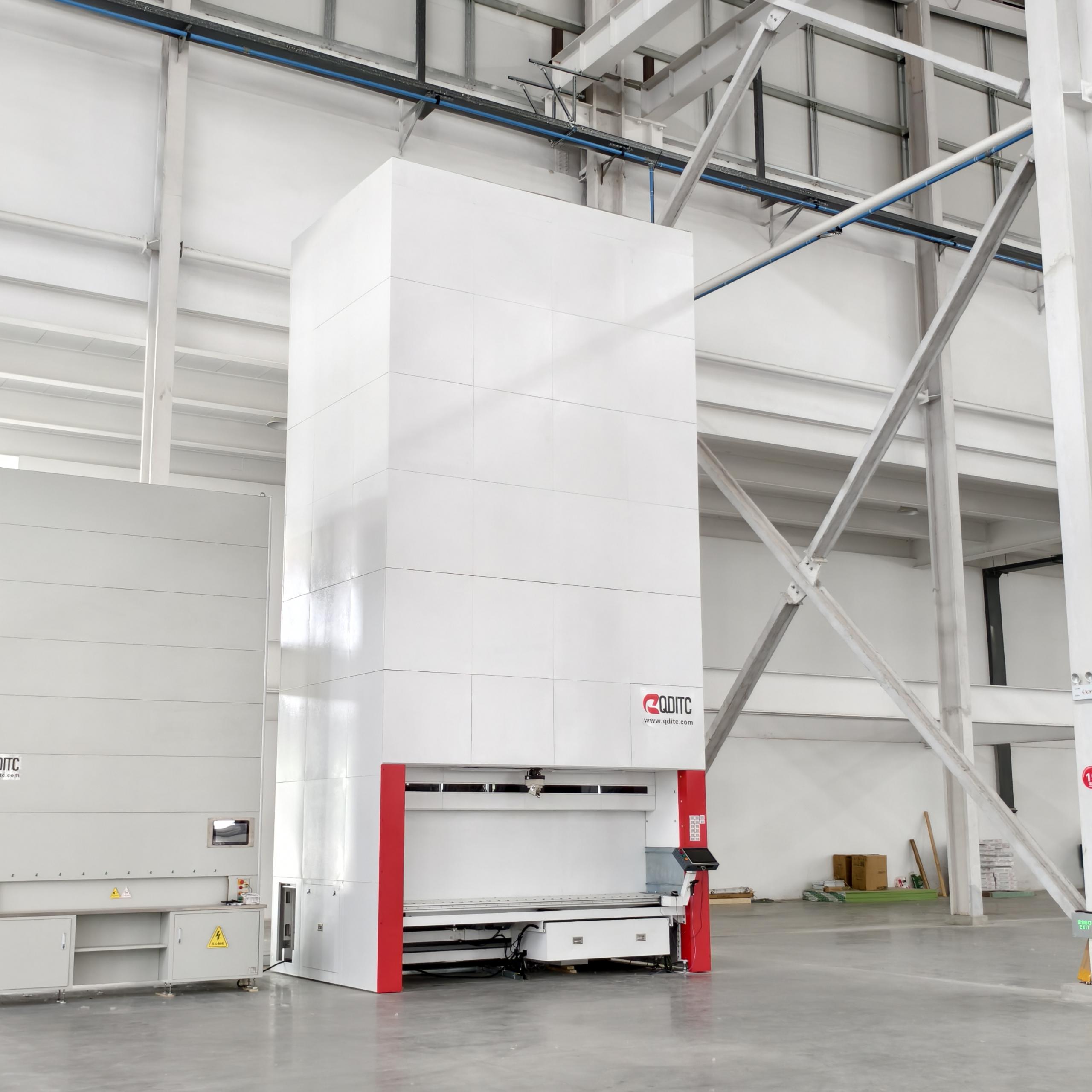
Food Cold Chain Case: Indonesia VSM Low-Temperature Storage

image-01

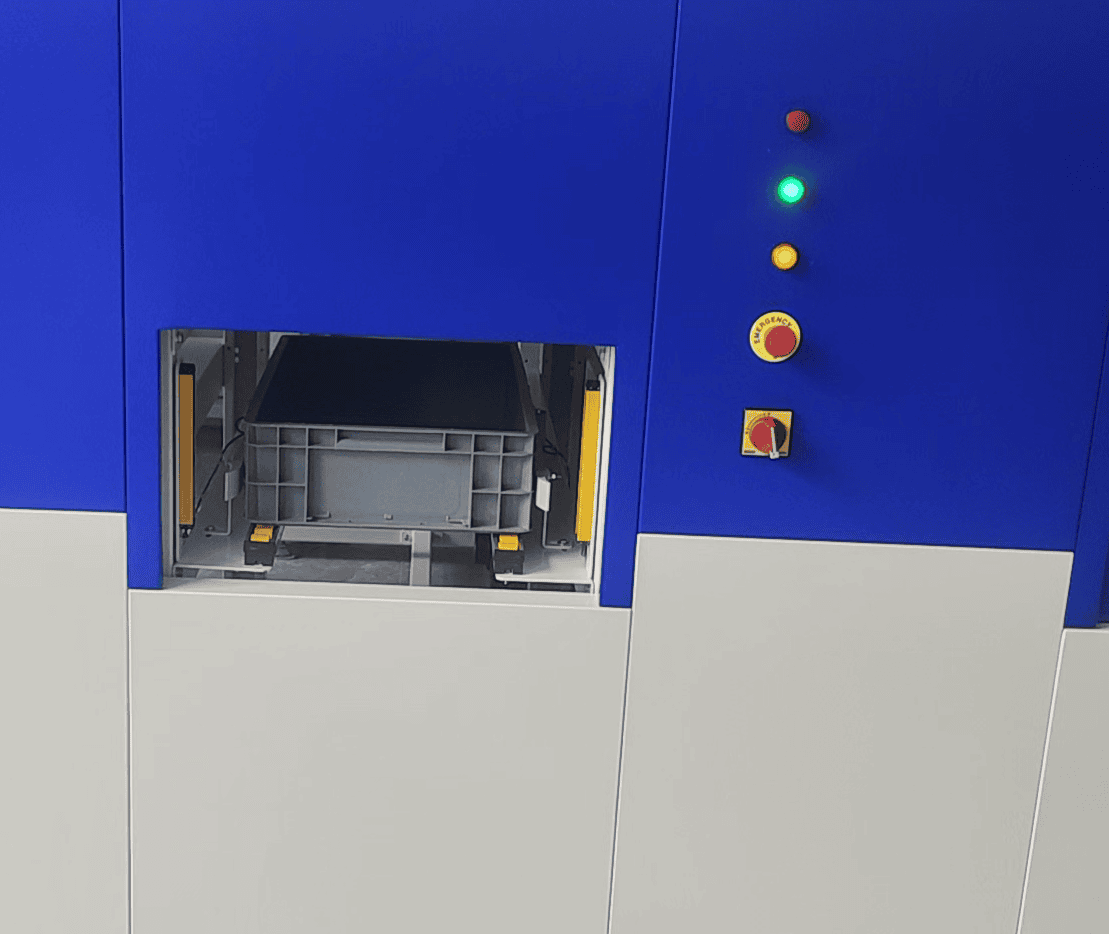
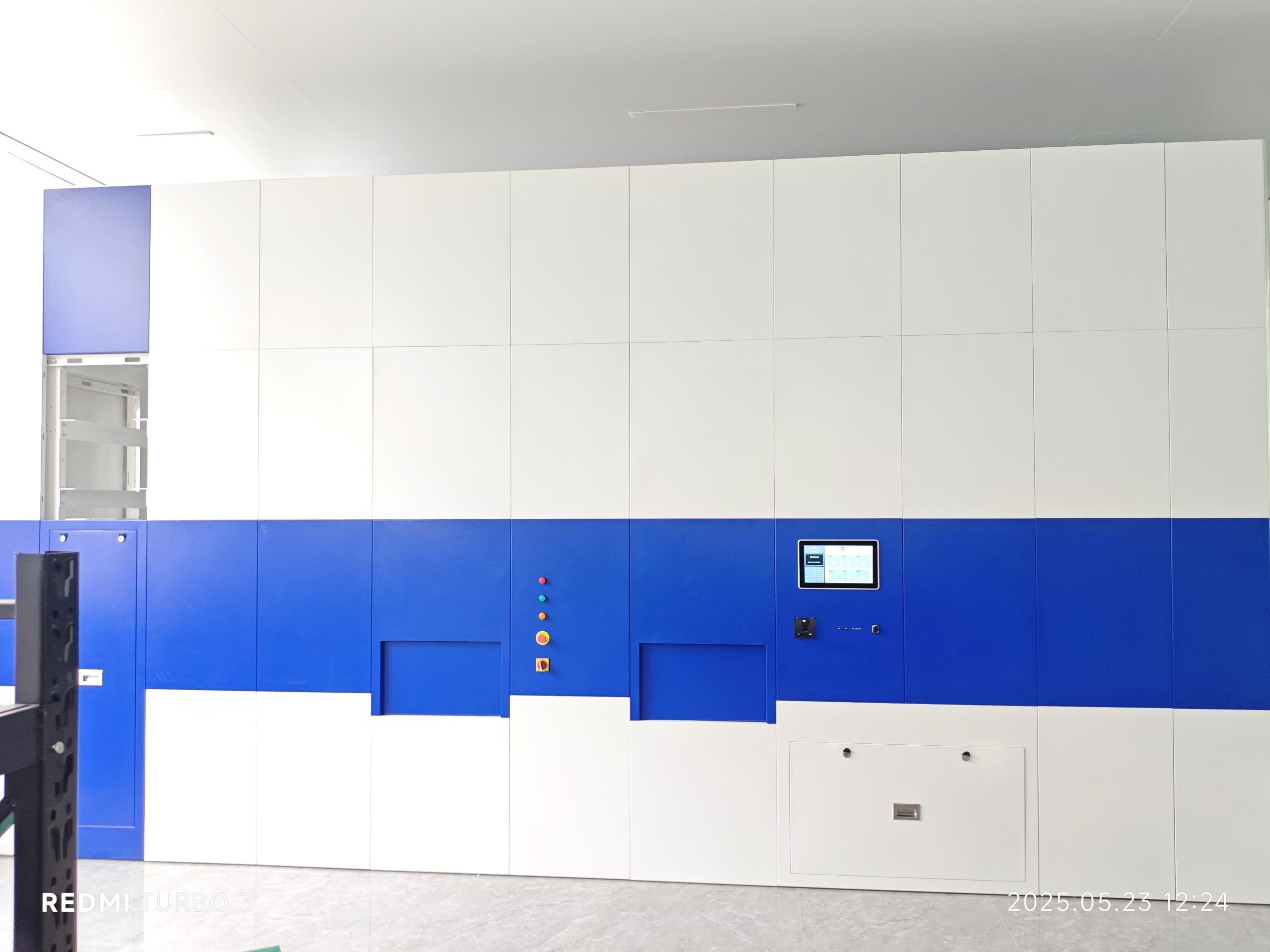
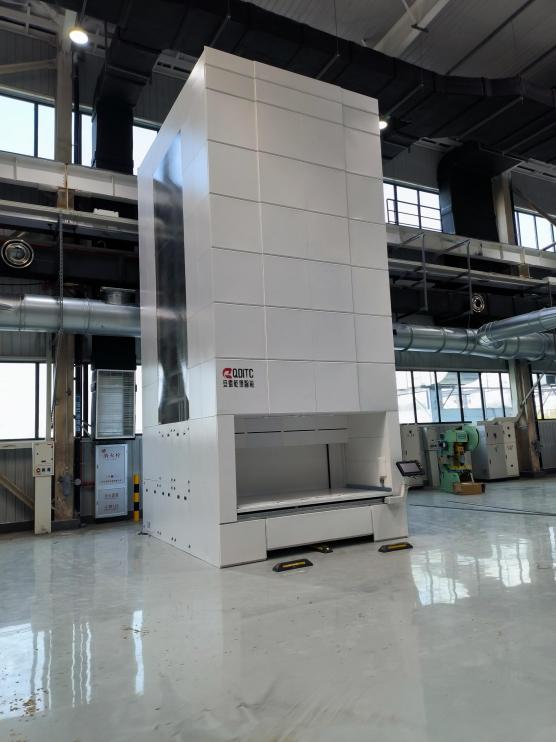
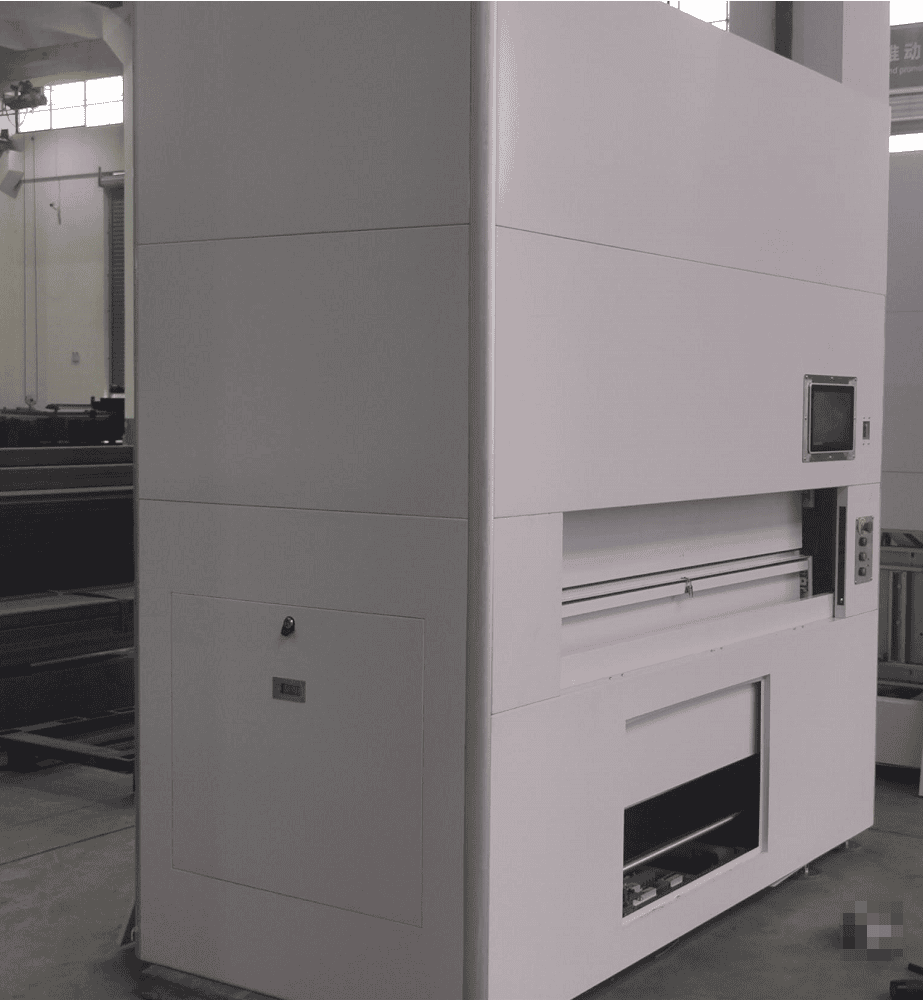
“In a 3-8 C low-temperature food warehouse in Indonesia, Anhui QianDe’s automated three-dimensional warehouse (VSM) operated continuously for one month without failure, accurately sorting tens of thousands of bottles of freshly squeezed beverage products every day. It not only solved the efficiency bottleneck of traditional warehousing, but also helped us protect the lifeline of food freshness.”

Customer Background

A food company in Indonesia is a well-known local low-temperature fresh beverage and food enterprise. Its business covers the production and distribution of frozen rice and flour products, frozen seafood, and freshly squeezed beverages, supplying major supermarkets and restaurant chain brands across Indonesia. As demand in Indonesia’s frozen food market has grown year by year, the company renovated a 20 m2 internal warehouse with a height of 4.5 meters. However, it faced the dual challenges of warehousing efficiency and food preservation in a low-temperature environment, and urgently needed an intelligent storage solution suitable for cold chain scenarios.

Low-Temperature Warehousing Pain Points Limited Business Expansion

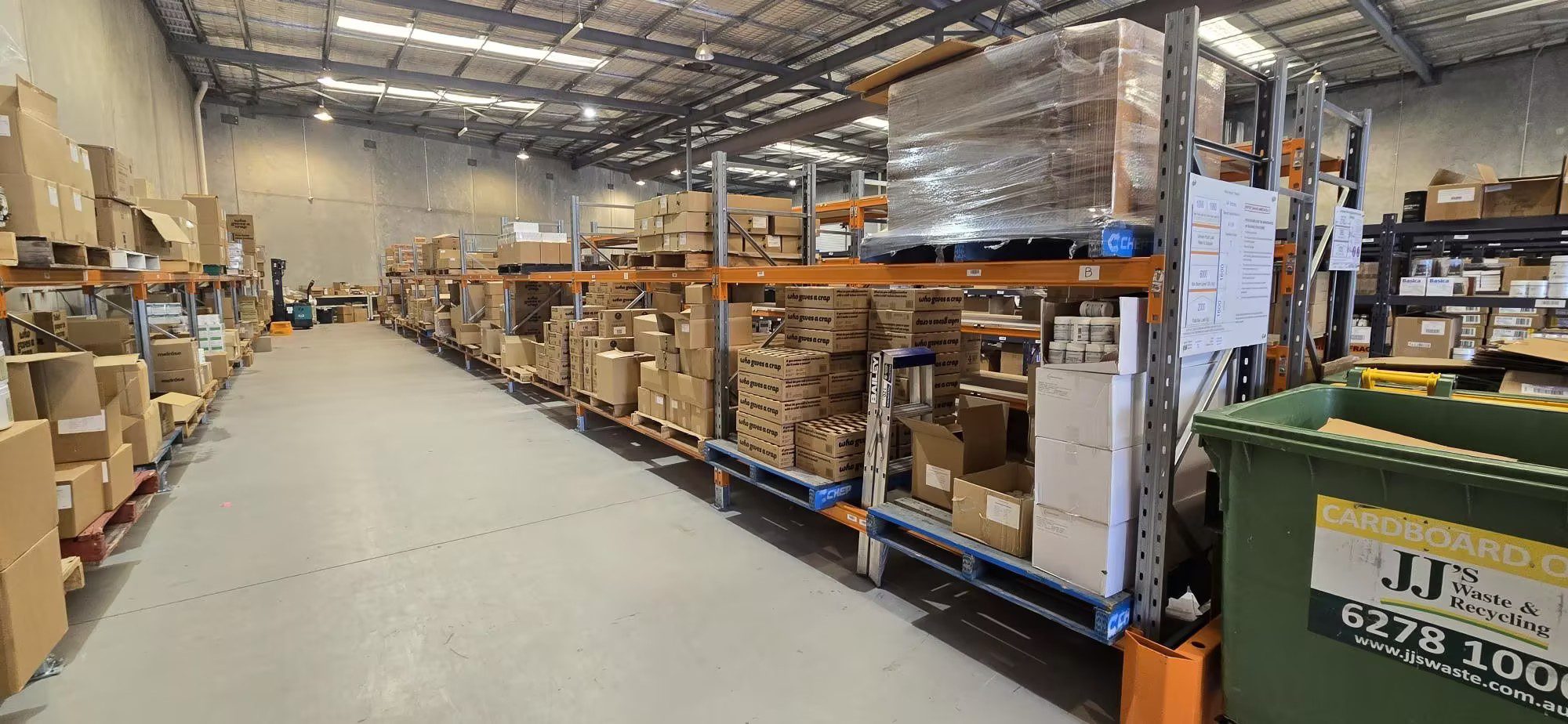
Before introducing the QDITC automated three-dimensional warehouse, the company used traditional manual work plus ordinary shelving to manage low-temperature storage. A series of problems gradually became clear, and it was unable to integrate the production line, storage, sorting, and shipment process.
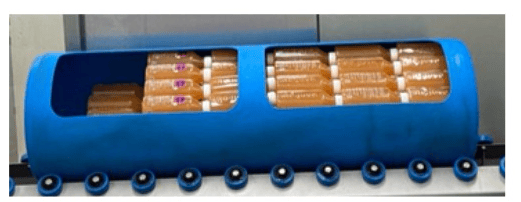
image-02

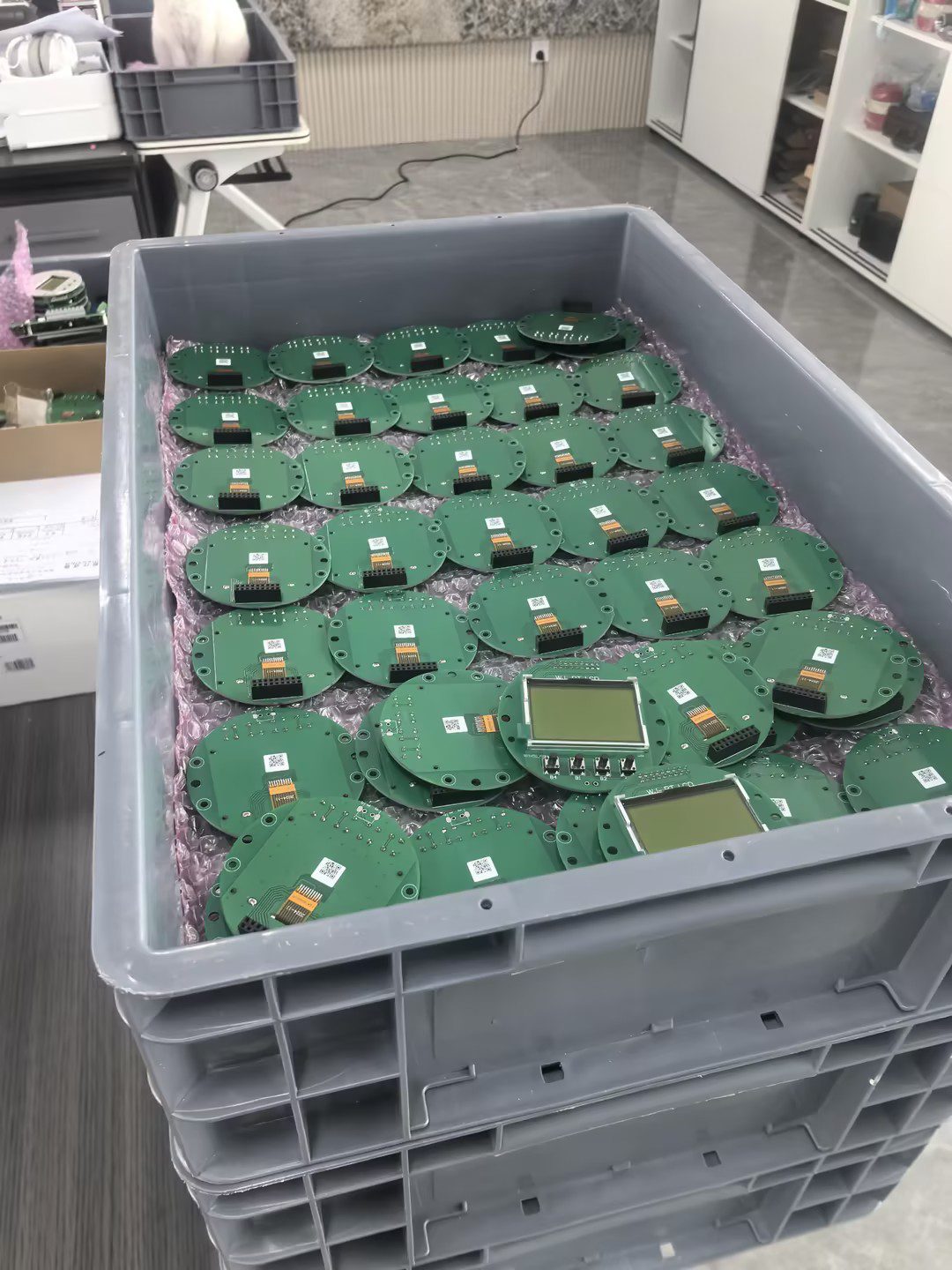
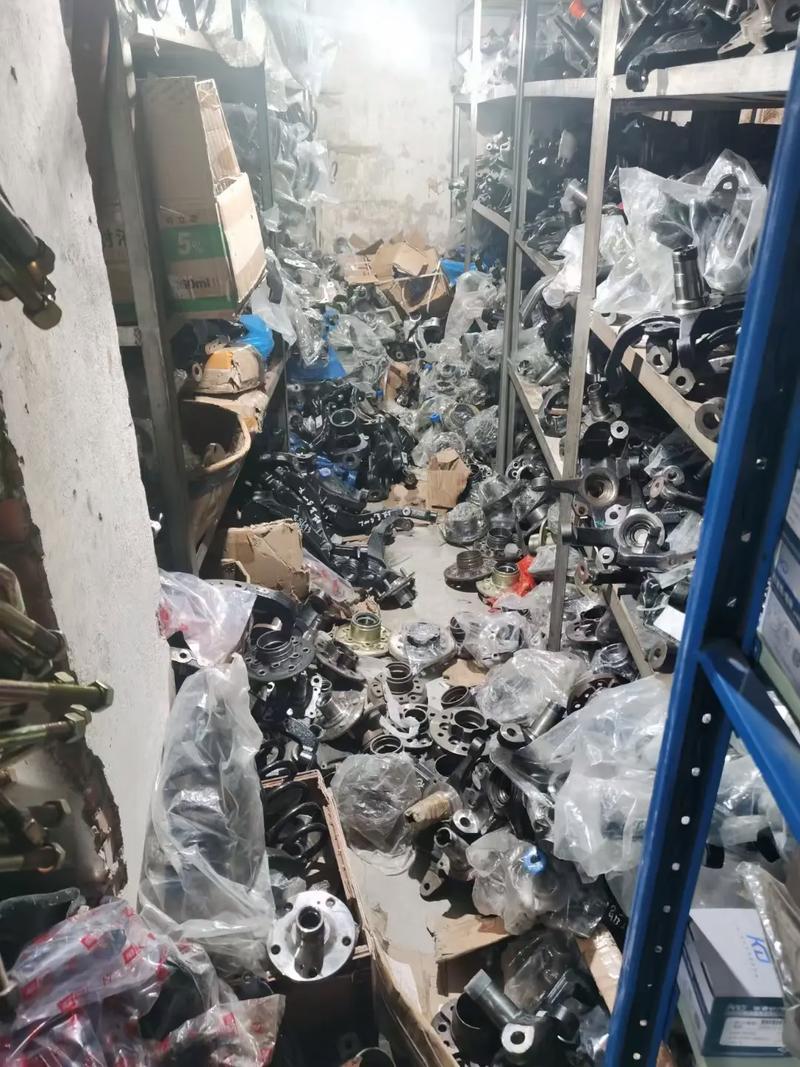
Low operating efficiency in cold conditions: employees worked in a 3-8 C environment, where physical energy was consumed quickly and movements became slower. Manual sorting of one item took on average twice as long as in a normal-temperature environment, and the daily sorting volume was less than 40,000 bottles, making it difficult to match production line and distribution needs.

High risk to food freshness: frequent manual entry into and exit from the cold room, plus excessive time spent outside the warehouse, easily caused local temperature fluctuations. Some frozen products showed thawing and softening, affecting quality and shelf life.

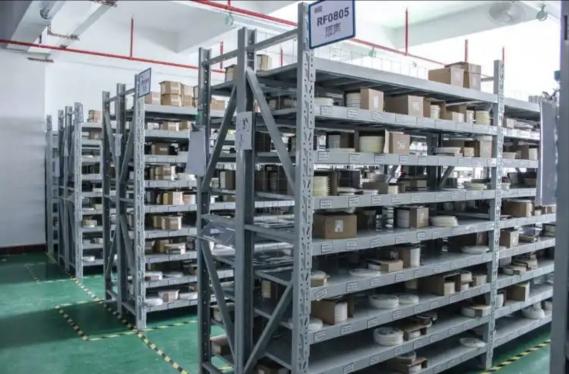
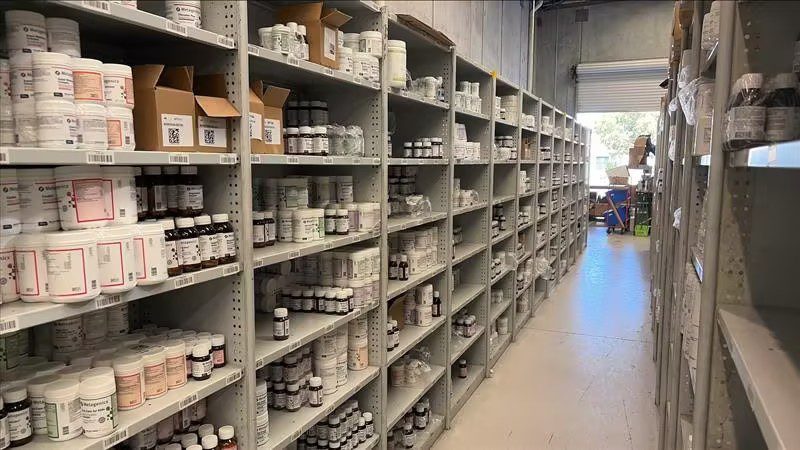
Insufficient space utilization: ordinary shelving could only use six levels of space. The 20 m2 warehouse could store only 150 cases of goods, with each case holding at least 180 bottles of freshly squeezed beverages. As the product line expanded, warehouse capacity could no longer meet peak-season demand.

Lack of management accuracy: manual inventory records were prone to errors and could not accurately trace the inbound time and shelf life of each batch of goods. This created the risk of missed inspections for near-expiry products and did not meet Indonesian food regulatory standards.

Integrated operation: one end of the warehouse connects to the production line, while the other end connects to the sorting and shipping outlet, enabling the fastest possible integration from production to shipment.

Cross-Border Trust: From Evaluation to Export Implementation

“We compared three international warehousing equipment brands and finally chose QDITC, not only because its automated three-dimensional warehouse had a mature low-temperature adaptation solution, but also because the team showed strong professionalism during the early evaluation. They deeply understood Indonesia’s food cold chain regulatory requirements and the spatial layout of the cold room, and even considered the impact of local voltage stability on the equipment.”

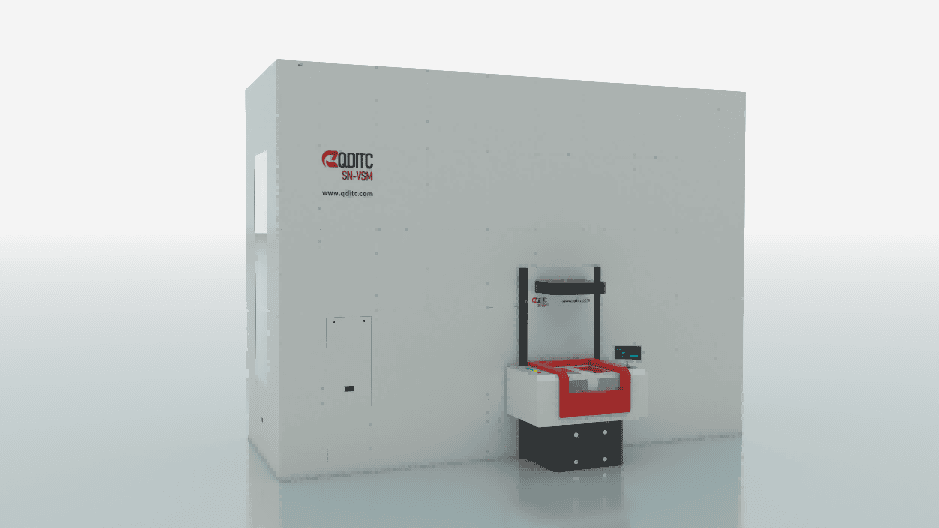
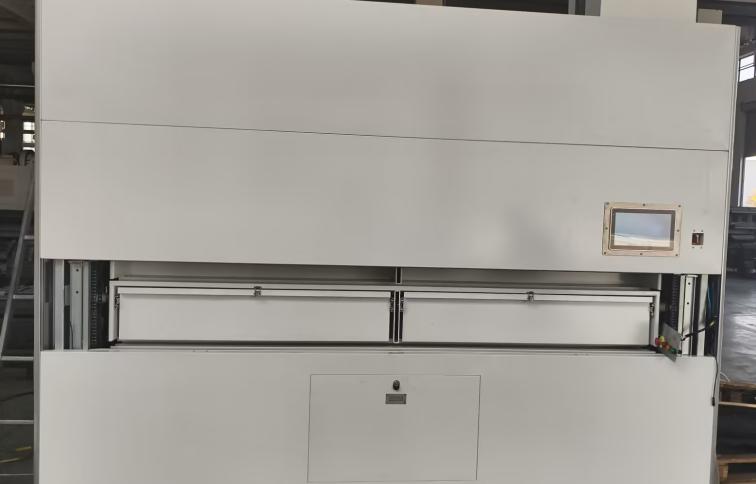
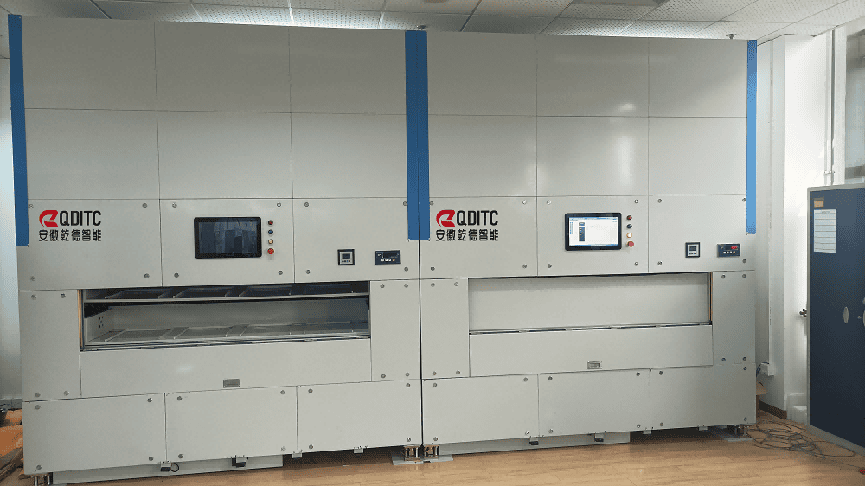
To ensure that the equipment adapted to Indonesia’s low-temperature warehouse scenario, the Anhui QianDe team carried out multiple customized upgrades: low-temperature-resistant servo motors and transmission components were used to adapt to the constant 3-8 C environment; equipment circuit protection was optimized to handle voltage fluctuations in some regions of Indonesia; and an English operating interface and localized training were provided to help local employees get started quickly. Starting in mid-2025, the full VSM automated three-dimensional warehouse completed production, customs declaration, and ocean shipping, and was successfully installed, commissioned, and put into use in the Indonesian low-temperature warehouse.

Case Highlights — Core Advantages of VSM in Low-Temperature Environments
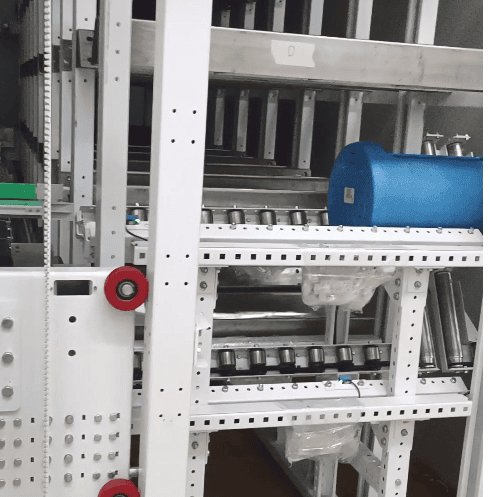
image-01

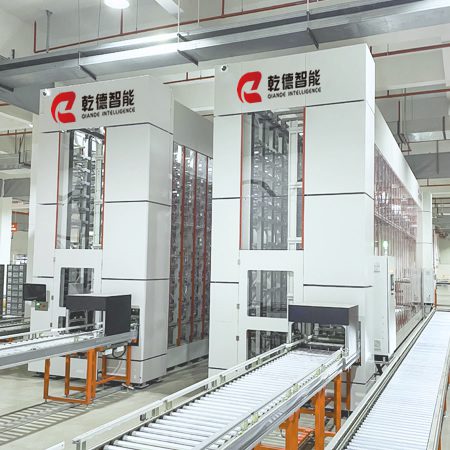
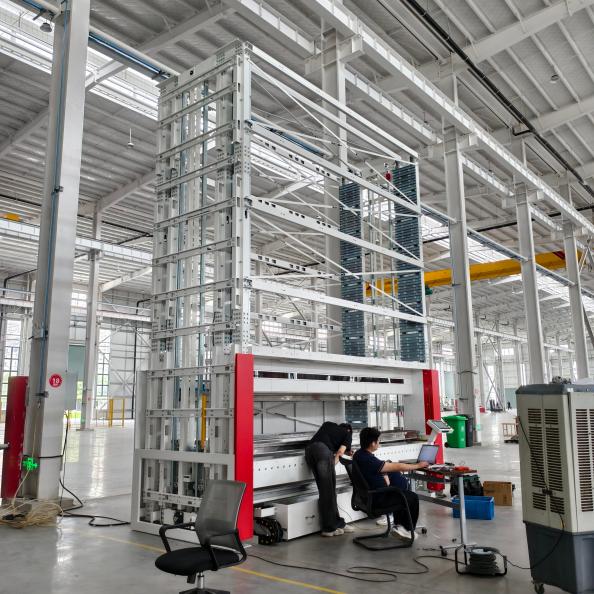
Stable operation in low temperatures: the core equipment components use a wide-temperature design from -20 C to 50 C. In the 3-8 C low-temperature warehouse, the system runs continuously for an average of 12 hours per day, with no delay in sorting response speed, meeting the high-intensity operating needs of food cold chain warehousing.

Efficient sorting reduces cost and improves efficiency: the system can sort up to 60 cases of goods per hour, increasing daily sorting volume to 480 cases over eight hours. Compared with manual sorting, efficiency improves by 100%, while low-temperature labor is reduced by 50%, lowering the risk of cold-related injuries to employees.

Precise temperature control preserves freshness: the VSM system supports accurate “goods-to-person” sorting, reducing the time goods are exposed outside the warehouse to within 30 seconds. Cold room temperature fluctuations are controlled within +/-1 C, and the freshness retention rate of frozen products rises to 99.8%, fully meeting Indonesian food hygiene standards.

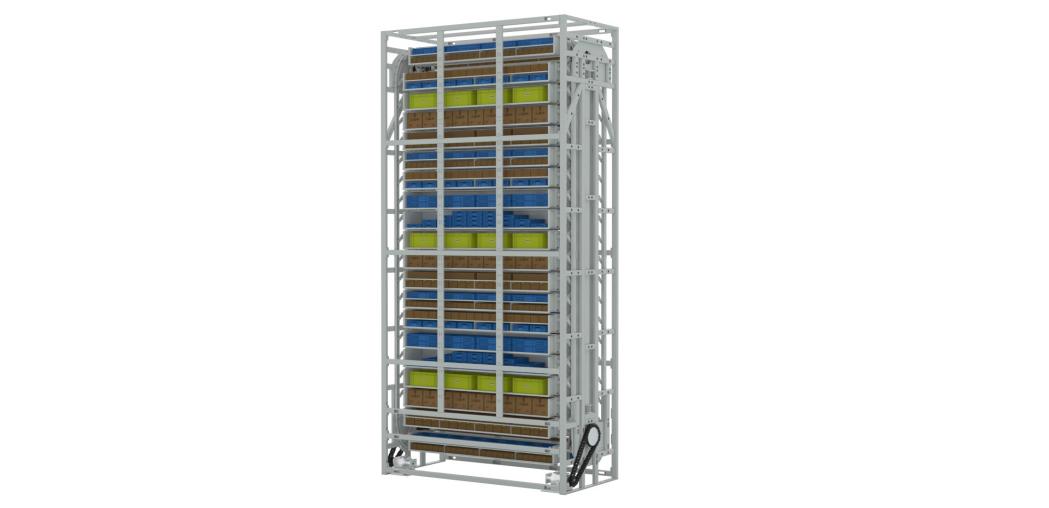
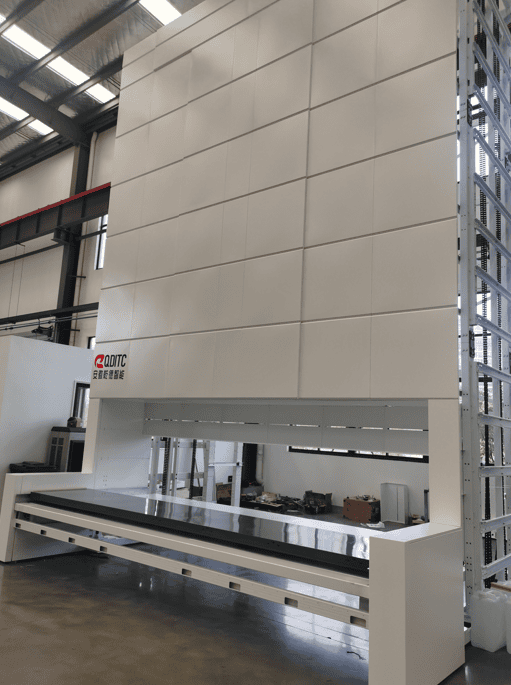
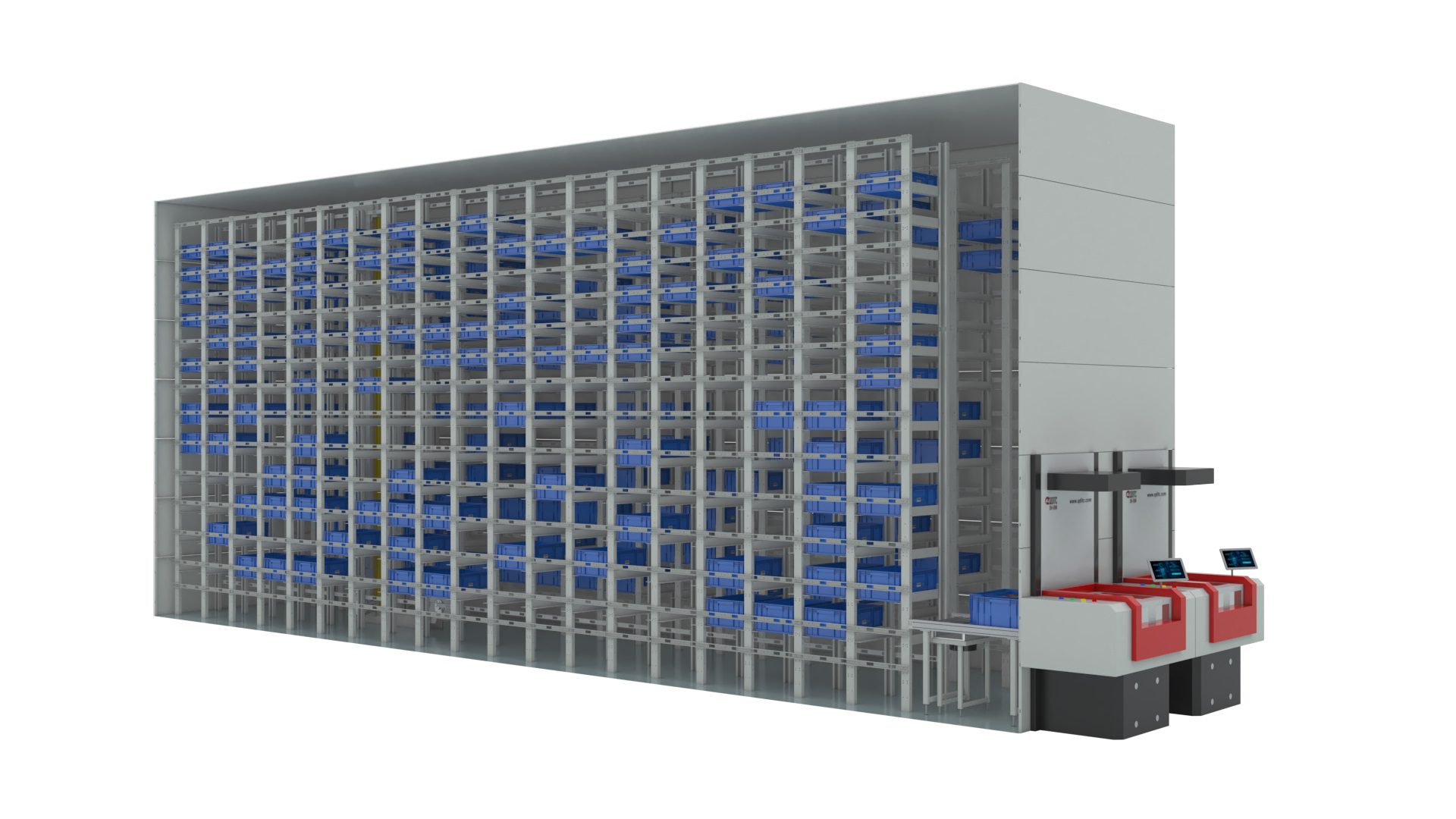
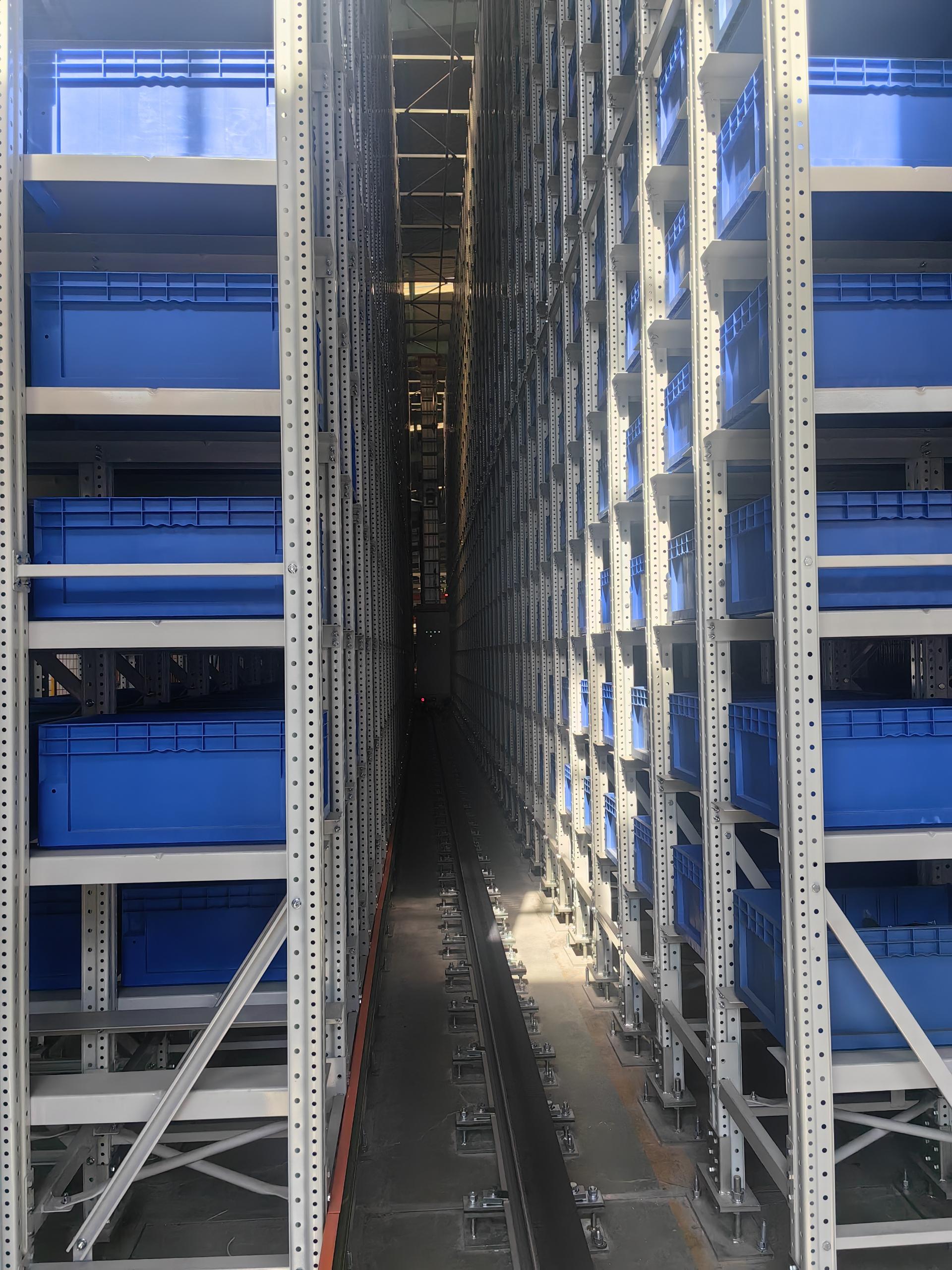
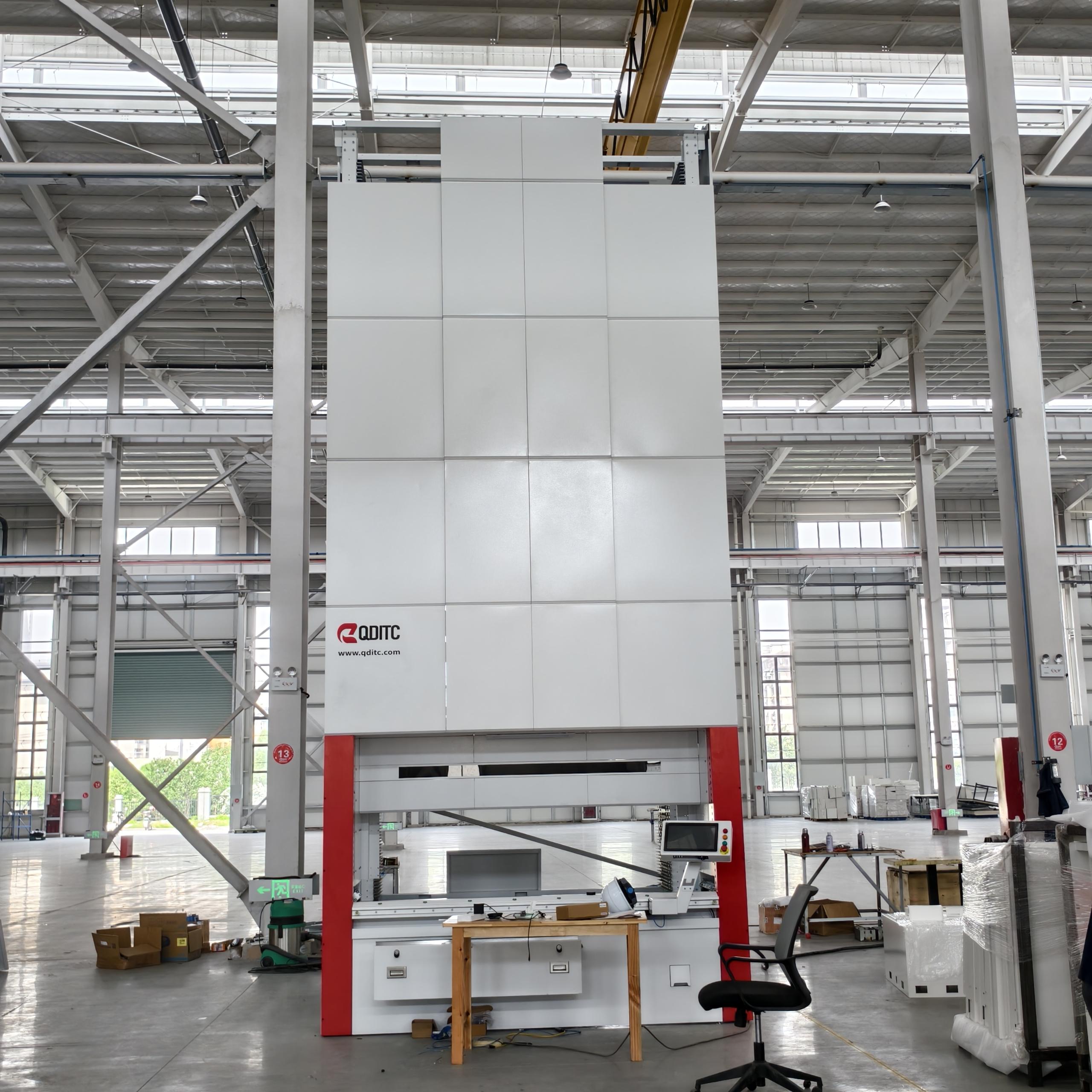
High-density storage expands capacity: the three-dimensional stacking design fully uses the 4.5-meter vertical space of the low-temperature warehouse. Storage density increases by 1.46 times compared with traditional shelving. The 20 m2 warehouse can store 220 cases of freshly squeezed beverages, equal to 220 x 180 = 39,600 bottles, meeting peak-season inventory needs without additional warehouse expansion.

Intelligent traceability strengthens compliance: equipped with a cold-chain-specific warehouse management system, the system automatically records the inbound time, shelf life, and storage location of each batch of goods. It supports English report export, making it easy to handle regular inspections by Indonesian food regulatory authorities and avoid risks from near-expiry products.

Since the equipment was put into use, the food company’s low-temperature warehousing costs have decreased by 35%, order fulfillment time has shortened by two days, and its share in Indonesia’s frozen food market has further expanded. By the end of 2025, the company had already planned to purchase a second Anhui QianDe VSM Vertical Sort Module.

Final Note

“Choosing Anhui QianDe’s VSM automated three-dimensional warehouse was the right decision for our food cold chain upgrade. It not only adapts to Indonesia’s low-temperature environment and regulatory requirements, but also proves through stable and efficient performance that Chinese intelligent warehousing equipment is fully capable of serving food enterprises worldwide.”

Adapting to cold chain needs across the ocean, intelligent sorting protects freshness.

For low-temperature food storage, trust Anhui QianDe’s VSM automated three-dimensional warehouse.
Instrument Manufacturing Case: Weihai Smart Warehouse Upgrade

“Since adopting Anhui QianDe Intelligent Technology’s Vertical Sort Module (VSM), our electronic parts storage has completely moved away from the disorder and inefficiency of the past. High-frequency inbound and outbound handling runs smoothly every day, connecting seamlessly with R&D and production. This kind of stability under high-intensity use is exactly what our instrumentation industry values most.”

— Warehouse and Logistics Manager, an Instrument Manufacturer in Weihai

Customer Background

An instrument manufacturer in Weihai is a comprehensive enterprise deeply engaged in the industrial intelligence sector. Its business covers R&D, production, and sales of instruments and meters, electronic computer technology services, software development, and the manufacturing of complete industrial automation equipment. Its products are widely used in industrial control, intelligent monitoring, and other scenarios. Its core storage needs focus on precision materials such as electronic parts, components, and small instrument assemblies. With diversified technical services and product systems, the company has built a strong reputation in the industry.

Warehouse Pain Points Became Obvious During Rapid Growth

Before 2024, the Weihai instrument manufacturer managed its warehouse with traditional flat shelving. As the business expanded, the number of electronic parts and components exceeded one thousand types, and warehouse management gradually became a bottleneck limiting efficiency:

image-04
image-03

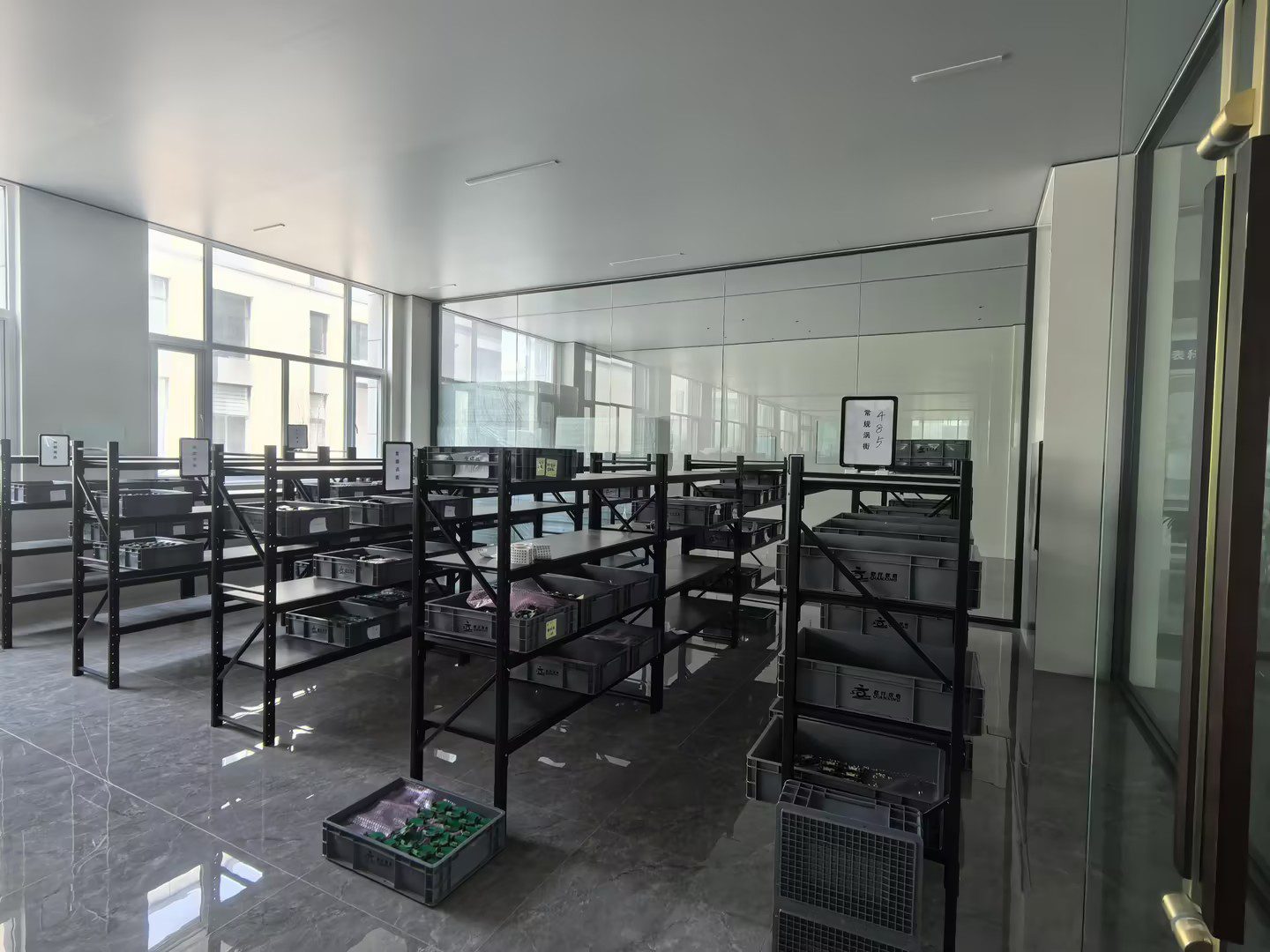
Storage space was running short: precision electronic parts needed to be stored separately, but traditional shelving had low space utilization. Material accumulation continued to reduce the available space.

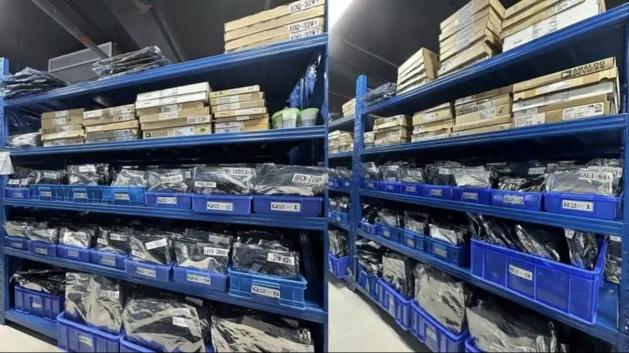
Inbound and outbound efficiency was low: electronic components of different specifications were scattered across the warehouse. Finding them required manual searching one by one, and retrieving materials from higher positions relied on ladders, which was time-consuming and created safety risks.
Labor costs stayed high: employees had to move back and forth between shelves frequently to carry and count materials. The repetitive work was intensive and also made it easy to pick the wrong parts or miss items.

Process coordination was delayed: delays in the warehouse directly affected instrument assembly and R&D trial progress. Occasional material shortages forced passive adjustments to the production plan.

From a Douyin “Encounter” to On-Site Verification, Trust Was Established

Recalling how the company first connected with Anhui QianDe Intelligent Technology, the manager said: “At the end of 2024, while browsing industrial automation cases on Douyin, I happened to see an application video of Anhui QianDe’s Vertical Sort Module (VSM). The high-density precision material storage solution shown in the video matched our electronic parts management needs very well. In particular, the successful local enterprise cases helped us dispel concerns about immature technology and insufficient adaptability, and showed us a practical solution.”

image-02

After further evaluation, the Weihai instrument manufacturer found that Anhui QianDe Intelligent Technology not only had independent R&D and production capabilities for the Vertical Sort Module (VSM), but could also provide customized zoning and sorting solutions for the multi-specification, high-precision storage needs of electronic parts. Its fast-response localized after-sales service further reassured the team. In early 2025, the company decided to purchase one Vertical Sort Module (VSM) for pilot use, officially starting its smart warehouse transformation.

Case Highlights — The Stability Core of Precision Storage

image-01
image-07

Zero-failure high-frequency sorting: the equipment consistently maintained stable operation, with no delays or jamming, making it a strong fit for the instrumentation industry’s multi-batch, small-batch, high-frequency storage and retrieval needs.

Precise positioning protects precision materials: using servo drive and laser positioning technology, the fork achieves millimeter-level alignment accuracy when picking and placing materials. The sorting process is smooth and vibration-free, effectively preventing electronic parts and components from damage caused by collision or friction.

Fast-to-learn intelligent sorting: equipped with an intelligent warehouse management system and seamlessly connected with the original ERP system, it supports electronic parts classification, batch traceability, and inventory alerts. The graphical touchscreen interface is intuitive and easy to understand. Operators can master the full process of inbound sorting, outbound retrieval, and inventory counting within 30 minutes, without additional training costs.

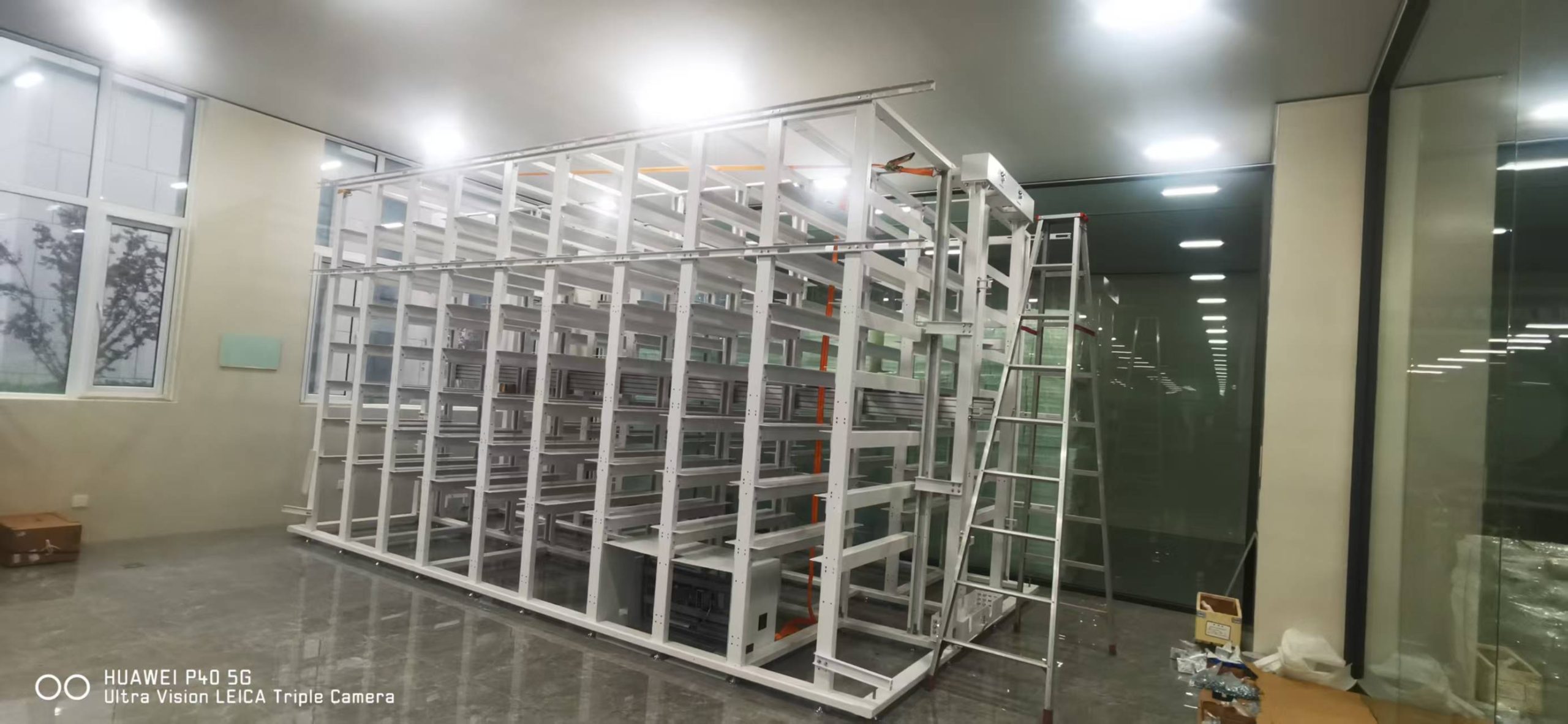
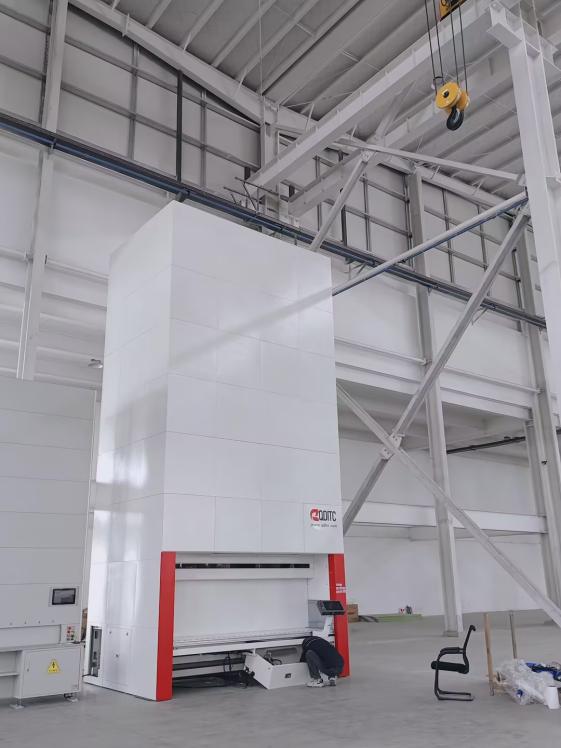
High-density storage saves space: the stacked three-dimensional layout makes full use of vertical space, increasing storage density by 3-5 times compared with traditional shelving. It accommodates more than one thousand types of electronic parts using only one third of the original warehouse area, greatly freeing floor space for R&D trials or production line expansion.

image-06

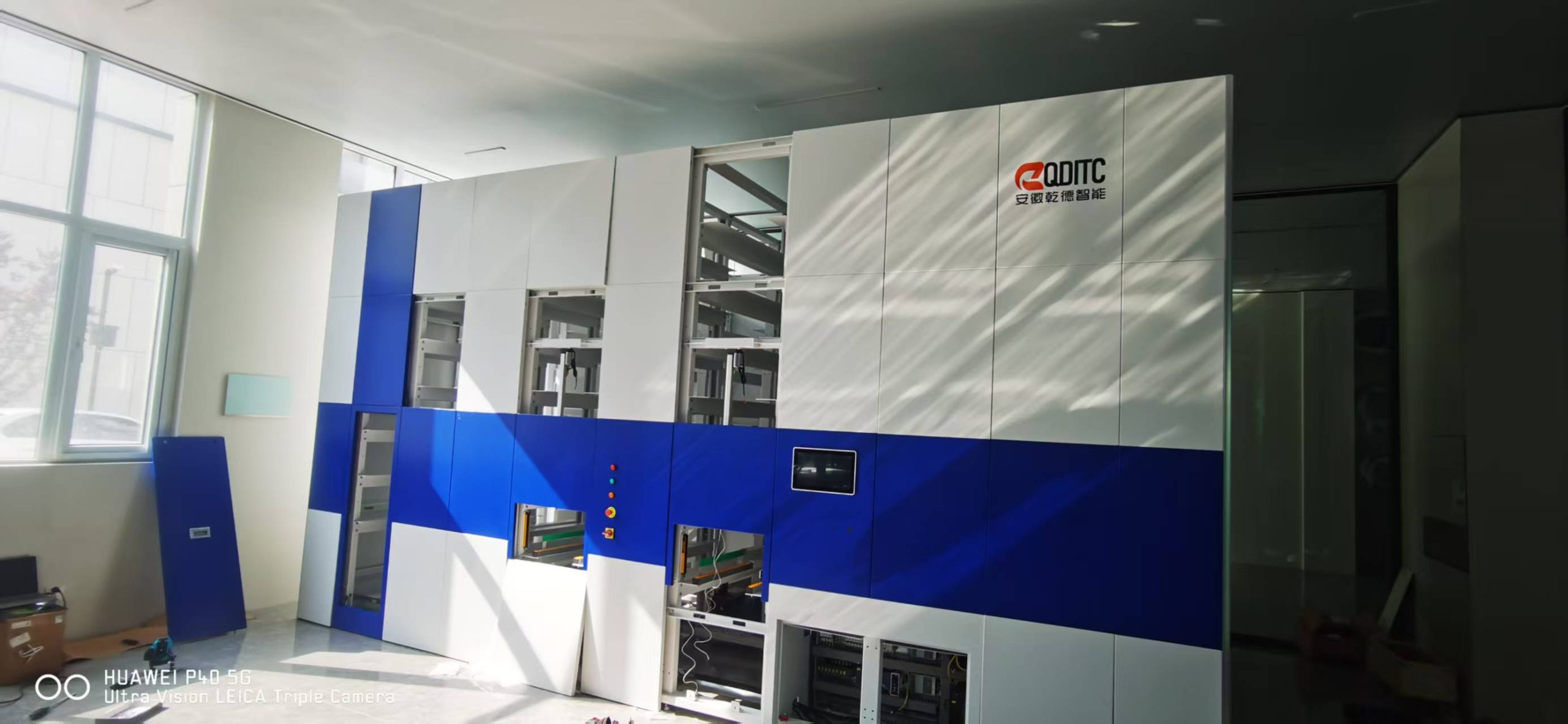
Solid quality stands up to testing: the equipment frame uses high-strength alloy components with anti-corrosion surface treatment. The stacking guide rails and transmission parts are precisely calibrated, wear-resistant, and durable, fully meeting the long-term safe storage needs of precision materials and demonstrating the strict standards of high-quality domestic manufacturing.

image-05

In the second half of 2025, based on the stable performance and efficiency gains of the first Vertical Sort Module (VSM), the Weihai instrument manufacturer decisively purchased a second unit, further improving its smart warehouse layout and driving storage management toward a deeper transformation of “automated sorting + refined control.”

Final Note

“We chose Anhui QianDe’s Vertical Sort Module (VSM) not to blindly pursue the label of ‘intelligence,’ but because it truly solved the core pain points of precision electronic parts storage. Its stable operation means we no longer need to worry about material access efficiency or safety issues. It has not only greatly improved coordination between warehousing and production, but also given us the confidence to accelerate R&D innovation and business expansion.”

Dedicated File Storage Solution: Customized Drawer-Type Vertical Carousel Module to Expand Foreign Trade Business

image-01

As global enterprises face the pain points of file storage taking up too much space and making files hard to find, the vertical carousel module has become a preferred option for optimizing file management thanks to its efficient vertical circulation. This article not only explains the core principles of the vertical carousel module, but also focuses on the customized file storage solution developed for the customer: two units using “1 drawer per carrier” and “2 drawers per carrier” designs respectively to meet the customer’s customized requirements.

I. Vertical Carousel Module Principle: The Core Logic of Efficient Storage

The vertical carousel module, also known as a vertical carousel cabinet, is built around “vertical circulation” and consists of a frame, servo transmission system, carriers, intelligent control system, and safety devices. During operation, after a file number is entered or a scan code triggers a command, the control system drives the transmission chain, moving the carriers vertically along the track and accurately delivering the target carrier to the access opening. There is no need for manual searching. Average storage and retrieval time is 15-30 seconds, more than three times more efficient than traditional file cabinets. Space utilization increases by 60%, and protective features such as infrared sensing and emergency stop buttons ensure operational safety.

image-02

II. Customized Solution: Drawer Design Matched to File Storage

The customer is mainly engaged in business services and needs to classify and store contracts, vouchers, reports, and other files of different specifications. Traditional carriers can easily cause files to crease and categories to become disorganized. In response to this need, we customized two differentiated vertical carousel modules:

They use “1 drawer per carrier” and “2 drawers per carrier” designs respectively. The drawers use a wide, pressure-resistant structure suitable for large-format files such as A3 contracts and large archives. They are moisture-resistant and damage-resistant, with file category labels attached on the outside for quick positioning. Each drawer can be pulled out independently, preventing other files from being disturbed during storage and retrieval. Combined with QR-code scanning for inventory checks, this further improves management efficiency. Production quality inspection strictly follows standards to ensure suitability for file storage scenarios.

image-01

III. One-Stop Service and Business Expansion

To ensure delivery and use, we provide a full-process service covering production, customs declaration, logistics, installation, and training, helping the customer use and maintain the equipment more effectively and providing related services afterward. In the future, we will continue to launch industry-specific customized solutions, allowing efficient storage technology to benefit more enterprises worldwide.

If you face file storage challenges, no matter where you are, you can visit the official website (www.xxxx.com) or email sales@xxxx.com to obtain a dedicated vertical carousel module solution and quotation.

Vertical Carousel Module: A New Benchmark for Intelligent Storage of Electronic and Electrical Components

image-02

As the electronic and electrical industry develops rapidly, small materials such as precision components, PCB assemblies, connectors, and chips are becoming more diverse in type, smaller in size, and higher in value. They place increasingly high requirements on storage environment, storage and retrieval efficiency, space utilization, and traceability management. Traditional shelving that requires manual searching not only takes up a large area and makes items easy to lose, but can also cause electrostatic damage and mixed or incorrect materials, seriously affecting production rhythm and product quality.

image-04
image-03

The Vertical Carousel Module vertical carousel storage system is designed for efficient storage of electronic and electrical components, redefining workshop material management.

It uses a vertical carousel structure to fully utilize vertical space, saving more than 70% of factory and workshop floor area. This allows even small warehouses to achieve high-density storage and perfectly adapt to the compact layout of electronics factories. Its fully enclosed structure can effectively prevent dust and static electricity, accurately protecting sensitive components such as chips, sensors, and precision terminals while eliminating quality risks caused by environmental factors.

The intelligent control system supports fast positioning and one-touch storage and retrieval, eliminating manual searching, greatly shortening material preparation time, and improving line-side supply efficiency. Materials can be classified and managed by specification, batch, and barcode. Combined with inventory alerts and first-in, first-out strategies, the system prevents disorderly storage and retrieval, incorrect delivery, and expired waste at the source, making material management more standardized.

image-02
image-01

The equipment is equipped with WMS and WCS control systems, effectively enabling automatic inbound and outbound recording and full-process data traceability, meeting the strict quality control and audit requirements of the electronics industry. The equipment operates stably, with low noise and easy maintenance, and is suitable for SMT workshops, electronic assembly lines, R&D laboratories, and other scenarios.

The Vertical Carousel Module uses intelligent carousel technology to provide a safe, efficient, and space-saving storage solution for electronic and electrical components, helping enterprises further move toward digital intelligent warehousing and enhance their core competitiveness.

Anhui QianDe Intelligent Technology Co., Ltd. (QDITC) relies on technological innovation to provide intelligent warehousing solutions adapted to modern storage needs. Its main businesses include the integration of automated warehousing systems such as vertical lift modules, vertical carousel modules, vertical sort modules, intelligent horizontal sorting systems, automated storage and retrieval systems, AGV/RGV, and related solutions. The company supports both standardized equipment and customized equipment services. With advanced technology and professional experience, it improves operational efficiency and sets industry benchmarks. It has its own large-scale factory for equipment production, keeps some inventory regularly available in the workshop, and exports products to 20 countries overseas, helping partners enhance competitiveness and achieve sustainable development in a rapidly changing market.

Redefining Storage Space: Intelligent Vertical Lift Modules Let Your Warehouse Grow Upward

image-01

Are you facing the pressure of an overloaded warehouse and rising land rent? Are you still rushing around to find goods, with low efficiency and frequent errors? It is time to change the way you think. Stop expanding outward and start growing upward.

Say Goodbye to Traditional Shelving and Embrace Intelligent Density

Imagine compressing the inventory of an entire aisle-based shelving system into a system that requires only the area of a few parking spaces. This is the transformation brought by the intelligent vertical lift module. Like a towering automated elevator storage tower, its only goal is to maximize every cubic foot of vertical space.

Storage density increases by up to 85%: free up valuable warehouse floor area for higher-value production or operational activities.

Extreme space utilization: easily achieve high-level storage of more than 10 meters, especially suitable for cities with limited land or high-value industrial real estate.

“Goods-to-Person” Intelligent Technology: A Revolution in Efficiency

Your employees no longer need to walk tens of thousands of steps each day. Our system turns “searching” into “receiving.” With a simple click, the built-in extractor accurately, smoothly, and quietly delivers the required bins or trays to the ergonomic workstation in front of you. This is not just automation, but an intelligent practice of “goods-to-person” operation.

Picking efficiency increases by up to 66%: greatly shorten order fulfillment time and accelerate business turnover.

Accuracy exceeds 99.9%: integrated barcode scanning or RFID technology fundamentally eliminates human error.

Improve employee satisfaction and safety: reduce physical labor and injury risks, allowing employees to focus on more valuable work.

image-01

A Reliable Partner for 24/7 Continuous Operation

Our intelligent vertical lift module is built for demanding industrial environments. Day or night, it is your most reliable warehousing partner and supports unmanned “lights-out factory” operations.

Extended uptime: a robust structure and servo drive technology ensure stable operation.

Intelligent inventory management: through an intuitive software interface, view the location and quantity of every item in real time to achieve precise inventory control.

Seamless integration: easily connect with your existing ERP, WMS, and other systems for smooth data flow.

Suitable scenarios:

Manufacturing: store and manage raw materials, semi-finished products, and tools.

E-commerce and logistics: efficiently handle order picking for massive numbers of SKUs.

Aerospace and automotive: safely store high-value and sensitive components.

Medical and pharmaceutical: meet strict requirements for temperature, cleanliness, and batch traceability.

It is time to inject intelligent power into your warehousing and logistics.

STU Empowering the Health Product Industry, Your Preferred Smart Circulation Warehouse Solution

image-04

The big health industry keeps expanding. With a wide variety of health supplements, medical supplies, wellness finished products and packaging accessories, as well as frequent batch updates, enterprises are facing growing pressure in workshop side-line circulation, material temporary storage and finished goods arrangement. Traditional manual stacking and basic rack storage not only occupy substantial workshop space, but also lead to messy materials, slow picking, batch mixing and operational stagnation, which greatly hinder production and delivery efficiency.

Tailored exclusively for the health product sector, the STU smart warehouse circulation module requires no temperature & humidity control or special moisture-proof setups. Centering on neat storage, efficient circulation, intelligent scheduling, space saving and easy management, it fully meets the production and operation demands of the health industry.

image-04
image-03

Featuring a compact modular structure, STU maximizes the use of horizontal and vertical space and greatly cuts down workshop footprint. It is applicable to multiple scenarios including clean workshops, side-line warehouses and finished goods temporary storage areas in health product factories. Adopting an enclosed design for dust and debris prevention, the equipment effectively blocks dust and external contaminants, keeping outer packages, semi-finished products and auxiliary accessories clean and intact, in line with the industry’s basic hygiene standards.

Powered by intelligent rotation and automatic scheduling systems, STU enables targeted sorting, layered storage and standardized batch management of materials. It supports one-click positioning and rapid access, eliminating the inefficiency of manual searching. The strict FIFO (First-In, First-Out) mechanism avoids mixed batches and material overstock, streamlining production feeding and finished goods outbound processes.

Combining pure mechanical structure with intelligent control, the equipment is durable, easy to maintain with low long-term operation costs, and compatible with most conventional production workshop environments. It can connect with enterprise MES and inventory management systems to automatically record inbound and outbound data and realize full batch traceability, complying with the industry’s requirements for account management and compliant inventory checks.It requires no complex supporting facilities, featuring fast deployment, simple operation and strong adaptability.

image-02
image-01

With streamlined and reliable smart warehouse performance, STU optimizes material circulation, saves floor space and improves operational efficiency for health product enterprises. It is an ideal equipment for the standardization and intelligent upgrading of the big health industry.

STU Smart Warehousing: Solving the Precision Parts Management Challenge in the Robotics Industry

image-04

With the rapid iteration of industrial robotics and automated production lines, the sheer volume of precision small-part materials—such as sensors, servo motors, controllers, and the like—has long overwhelmed traditional warehousing. Complex and fragmented SKUs, time-consuming manual searching, frequent mis-shipments and losses, severe space waste, and lagging inventory data directly slow down R&D progress and production delivery, becoming common pain points for smart manufacturing enterprises.

image-04
image-03

Targeting the core characteristics of the robotics industry—high precision, high iteration, and high modularity—STU has developed an exclusive automated storage solution tailored for robotics. As a small-load system built around standard tote bins, STU flexibly stores, picks, and buffers small parts. With a “goods-to-person” automation model, it enables high-density, digitally centralized management of small parts. The system accommodates mixed storage of multiple precision component specifications and dynamically partitions massive fragmented SKUs. It can be extended infinitely in the length direction, allowing companies to make better use of storage areas at lower cost and expand warehouse space—saving 60%-80% of floor space compared to traditional shelving, perfectly matching the storage needs of the robotics industry. Stacker cranes or bin robots automatically retrieve materials and deliver them directly to workstations, eliminating staff’s back-and-forth searching and improving material storage efficiency by approximately 3-5 times.

STU seamlessly integrates with WMS and WCS management systems, and incorporates dual identification via barcode and RFID. The entire process—from inbound, storage, to outbound—is synchronized in real time and fully traceable. The system automatically verifies material codes and establishes multiple error-proofing mechanisms, achieving a material management accuracy rate of up to 99.9%, fundamentally preventing wrong or missed picks and avoiding economic losses caused by production line stoppages or R&D rework. The solution covers the full industry chain, including industrial robot OEM plants, collaborative robotics R&D centers, spare parts warehouses, and automated production line supporting warehouses, while balancing the dual needs of small-batch R&D sampling and large-batch production line stocking. It significantly reduces the need for manual attendance, greatly cuts warehousing labor input, and markedly improves inventory accuracy and material loss issues.

image-02
image-01

Today, warehousing is no longer just a simple storage space but a core supporting infrastructure for smart manufacturing. With its three core advantages—high-density storage, full-chain digitalization, and zero-error control—STU smart warehousing adapts to the fast-paced iteration rhythm of the robotics industry, unblocks every bottleneck in material management, and helps enterprises reduce space, improve efficiency, and control losses, fully empowering the digital upgrade of the automation industry.

New Upgrade Solution for Auto Parts Warehousing: STU Boosts Efficiency in Small Item Management

image-02

Amid the intelligent transformation of the automotive industry, parts warehousing is no longer a simple area for material stacking. It has evolved into a core hub that determines manufacturers’ production efficiency, delivery capability and quality control. Currently, auto parts warehouses are featured by massive SKUs and low inventory turnover, while orders are increasingly diversified, small-batch and customized, coupled with stringent requirements for on-time delivery. The drawbacks of traditional warehousing models have become prominent, making transformation and upgrading an urgent necessity. Boasting high-density storage and high-efficiency picking, the STU system stands as an ideal solution for the automated and digital upgrade of small-item warehousing in the auto parts sector, helping enterprises break through warehousing bottlenecks and achieve cost reduction and efficiency improvement.

image-04
image-03

For a long time, most domestic auto parts manufacturers have been trapped by the limitations of traditional warehousing management, failing to keep pace with modern production rhythms. As product lines continue to expand, warehouses are generally burdened with tens of thousands of SKUs and a wide variety of materials. Automotive electronic components, wiring harnesses, bolts, sensors, seals and other small-sized parts vary greatly in specifications. Traditional floor storage and beam racking adopt a scattered layout with extremely low space utilization, leading to continuously rising costs for warehouse expansion.

Targeting the core pain points of small-item warehousing in the auto parts industry, the STU Intelligent Bin Warehousing System is specially optimized for scenarios involving small items, high-frequency operations and multiple batches, perfectly matching the upgrading demands of auto parts enterprises. In terms of space utilization, the system breaks the layout constraints of conventional racks by adopting narrow-aisle and high-density three-dimensional storage to maximize vertical and horizontal warehouse space. Its storage density is over 3 times higher than that of traditional warehousing. It effectively solves the problem of insufficient warehouse space for small and medium-sized auto parts enterprises, doubling storage capacity without plant expansion and greatly cutting expenses on site rental and infrastructure. Custom-designed for small materials under 50kg, the system neatly stores various precision auto parts by category, eliminating mixed placement, material damage and loss at the source. When it comes to operational efficiency, STU revolutionizes manual workflows with a mature goods-to-person picking solution. Supported by high-speed bin robots and an intelligent scheduling system, it realizes automatic positioning, accurate access and rapid transportation of materials.

image-02
image-01

Warehousing management upgrade is crucial for auto parts enterprises to enhance core competitiveness. Against the backdrop of fierce market competition, extensive traditional warehousing management can no longer adapt to industrial development. Featuring scenario-based adaptation, high operational efficiency, digital management and low implementation costs, the STU intelligent warehousing system addresses the industry’s challenges including large-volume SKU management and low space utilization. It helps enterprises optimize safety stock, cut warehousing costs, accelerate inventory turnover and strengthen quality control.

Intelligent Transformation: VLM Reshapes a New Model for Apparel Accessories Warehouse Management

Vertical Lift Module for Electrical Equipment Manufacturing Warehousing supporting image 3

In the apparel industrial chain, seemingly trivial accessories such as zippers, hang tags and care labels are critical to the smooth operation of garment production. Today’s apparel market features rapid iteration, while orders are increasingly characterized by small batches, diverse styles and short lead times. Traditional warehouse management modes can no longer keep pace. The digital and intelligent upgrading of accessories warehouses has become a necessity for apparel enterprises to cut costs, boost efficiency and strengthen market competitiveness.

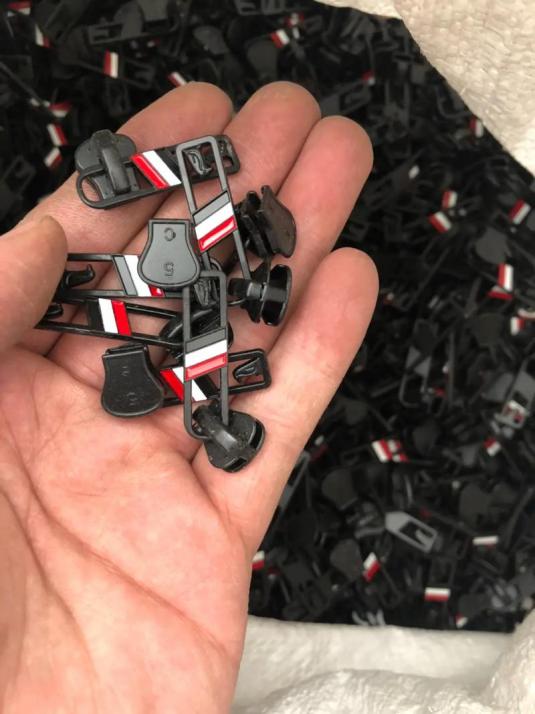
For a long time, the vast majority of domestic apparel accessories warehouses still adopt the conventional management mode of zoned racks plus manual picking. Warehouses allocate storage locations by material, specification, color and application scenario, with zippers, labels and other goods placed manually based entirely on warehouse staff’s experience. Apparel accessories involve an enormous number of SKUs: a single type of zipper is classified by material, tooth type, length, color code and many other attributes. Hang tags and care labels are small in size and scattered in categories, often resulting in mixed stacking. Manual inventory counting is highly inefficient and prone to errors and omissions. Lacking effective traceability for material flow, inventory data remains inaccurate and ambiguous, which further disrupts production schedules and frequently causes production line shutdowns due to material shortages.

image-04
image-03

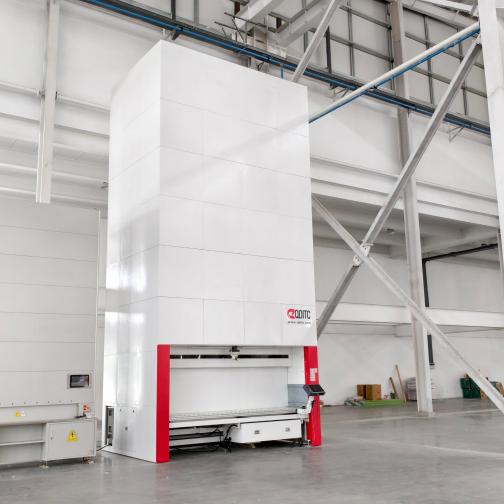
Against the warehousing pain points of apparel accessories — small items, numerous varieties, massive SKUs and frequent incoming & outgoing operations — both conventional rack systems and heavy-duty intelligent warehousing equipment fail to deliver optimal performance. The Vertical Lifting Module (VLM) is perfectly tailored for apparel accessories warehousing scenarios, emerging as the ideal solution for lightweight intelligent upgrading across the industry.Unlike large-scale automated warehousing equipment designed for bulk goods and occupying extensive floor space, the VLM features a vertical lifting storage structure that fully utilizes overhead warehouse space and drastically reduces floor occupancy, effectively addressing the space constraints of small and medium-sized apparel factories. Its internal shelves and compartments are fully customizable, enabling refined storage for zippers, hang tags, care labels, buttons and other accessories by size, specification and attribute. One item per compartment ensures neat categorization and fundamentally eliminates mixed placement, picking errors and disorderly stacking.Moreover, the fully enclosed cabinet design provides effective dust and moisture protection, preventing paper hang tags, woven labels and custom tags from dampness, creases and damage to fully preserve product quality. Supported by intelligent lifting access and integrated warehouse management logic, the system can locate materials with one click. It eliminates labor-intensive work including manual rummaging, high-level picking and manual stocktaking, greatly shortening the time for order picking, material preparation and inventory checks.The fully enclosed and standardized storage also prevents small accessories from being scattered or lost. Real-time visible inventory effectively resolves discrepancies between physical stock and accounting records as well as counting errors caused by manual management. The VLM is widely applicable to line-side warehouses and general accessories warehouses. With simple maintenance and low deployment costs, it suits the intelligent transformation needs of apparel enterprises of all sizes.

image-02
image-01

Warehousing is the first gateway of apparel production, and accessories management serves as the core foundation for streamlined production and agile order response. By upgrading warehouse management, apparel enterprises can achieve precise inventory control, reduce material loss, shorten picking time, and thoroughly resolve long-standing issues such as material shortages, picking mistakes and inventory chaos.In the increasingly competitive apparel market, only by realizing intelligent management of accessories warehouses can enterprises keep up with market trends, seize development opportunities and gain a competitive edge in the industrial chain.

VLM Empowers Intelligent and Secure Warehousing for High-Value Aerospace Components

image-04

In the aerospace and military manufacturing sectors, warehouse management is a critical link running through the entire chain of production, operation, and support—far more than mere material storage and retrieval. The items stored typically include precision components for aero-engines, high-end sensing devices, military-grade precision parts, and high-value maintenance spares. These are characterized by high value, diverse categories, small batch sizes, and stringent traceability requirements, placing extreme demands on safety, accuracy, traceability, and stability in warehousing operations.

image-04
image-03

Traditional warehousing models can no longer meet the high-quality development needs of the industry. Disorganized storage layouts lead to scattered inventory, with high-value components mixed together, forcing staff to spend considerable time searching for materials and resulting in low operational efficiency. Meanwhile, open storage environments lack dedicated safety isolation mechanisms, leaving precision parts vulnerable to dust and impact damage, while high-value items also face risks of human error and unauthorized handling. Furthermore, conventional systems lack traceability capabilities, unable to fully record the complete lifecycle of materials from inbound, storage, retrieval, to return. Flat-rack layouts make extremely poor use of space, and with limited floor space in aviation maintenance centers and military production workshops, expanding storage capacity is both costly and difficult.

To address these pain points, VLM (Vertical Lift Module) offers a specialized intelligent solution. The VLM features a fully enclosed, integrated structural design that effectively blocks dust and moisture, preventing precision materials from being scratched, damaged, or mistakenly taken. The system incorporates multi-level access control, allowing differentiated permissions for storage operations and access based on roles such as operators, administrators, and technical engineers—achieving tiered management of personnel activities and fundamentally reducing human operational risks. In addition, the VLM works seamlessly with WMS and WCS warehouse management systems, ensuring that every inbound, storage, and outbound action is fully traceable. Combined with barcode and RFID technologies, it enables end-to-end traceability from goods receipt to dispatch. Leveraging its vertical, compact storage architecture, the VLM can save 60% to 80% of warehouse floor space, while supporting storage of various specifications and high-SKU-density spare parts—making it suitable for a wide range of materials, including aero-engine spares, navigation system components, and specialized tools.

image-02
image-01

For special industries such as aerospace and military manufacturing, which demand extreme precision, strict regulatory compliance, and high security, safety and efficiency in warehouse management are mutually reinforcing and equally indispensable—they form the core baseline for high-quality industry development. The VLM is by no means a mere storage device; it is a digital core infrastructure tailored to the stringent requirements of the aerospace sector. It transforms traditional, rudimentary material storage management into a standardized, traceable, controllable, and highly efficient digital asset management system. With ultimate safety protection, precise intelligent control, and outstanding operational performance, the VLM builds a solid warehousing foundation for safe production, efficient maintenance, and compliance control in aerospace and military manufacturing, empowering the industry to achieve digital transformation in warehousing and elevate operational effectiveness.