Mini-Load vs. Unit-Load ASRS: Choosing Your Business Scale

Choosing between Mini-Load and Unit-Load ASRS comes down to what you’re actually moving through your warehouse every day. I’ve seen operations transform when they match the right system to their real throughput patterns, and I’ve watched others struggle because they bought capacity they didn’t need or speed they couldn’t use. The distinction matters more than most buyers realize during the selection process. Anhui Qiande Intelligent Technology Co., Ltd. brings 15 years of experience in industrial warehousing equipment, providing correct solutions for diverse storage spaces and materials. We help businesses select the ideal ASRS to optimize their operations.

Mini-Load ASRS Handles Small Items at Speed

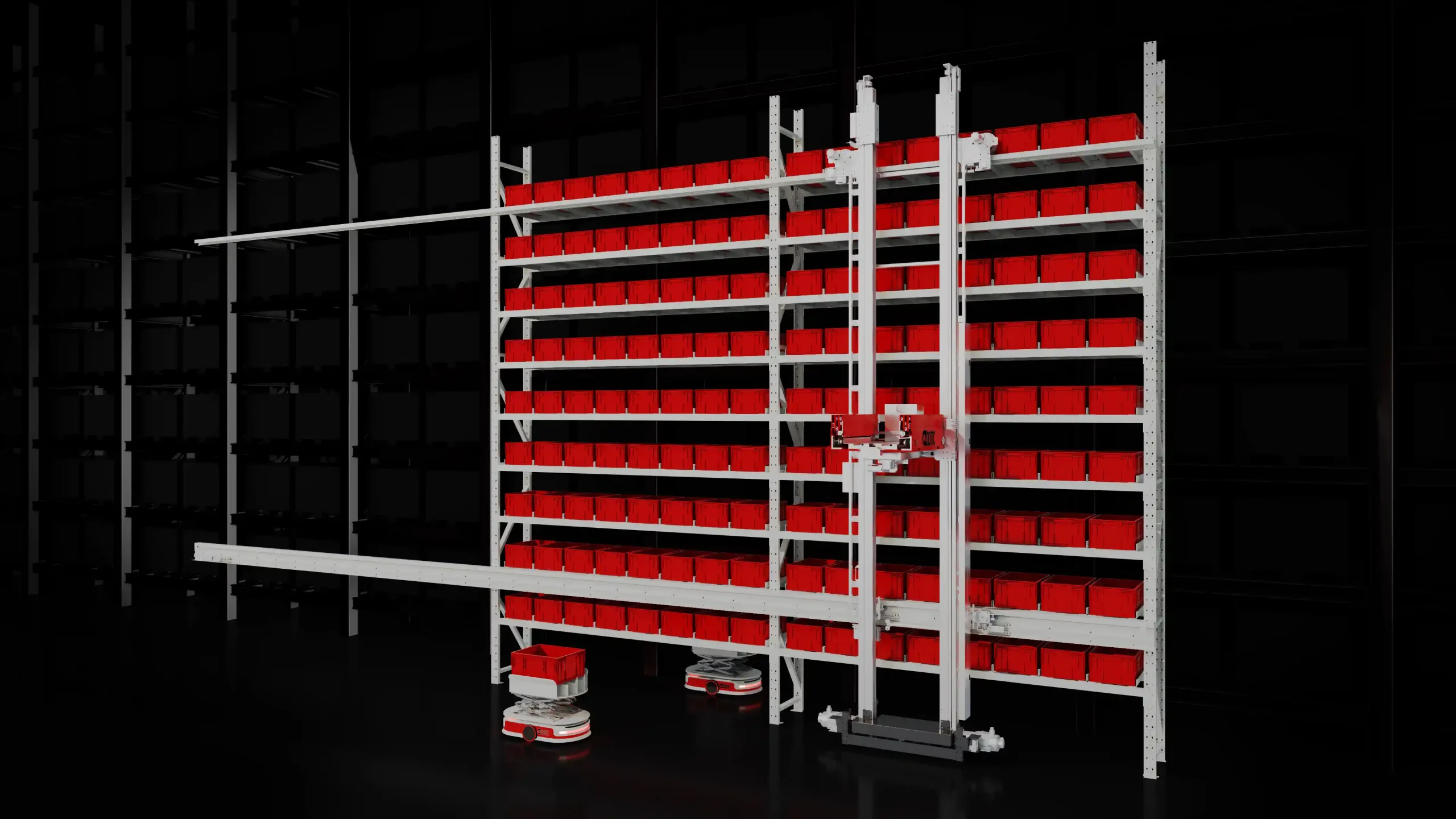
Mini-Load ASRS systems move totes, trays, and cartons using cranes or shuttles. The design targets operations where individual items or small batches need to reach picking stations quickly. E-commerce fulfillment centers, electronics manufacturing lines, and pharmaceutical distribution operations rely heavily on this configuration. The throughput numbers speak for themselves when you’re processing hundreds of order lines per hour.

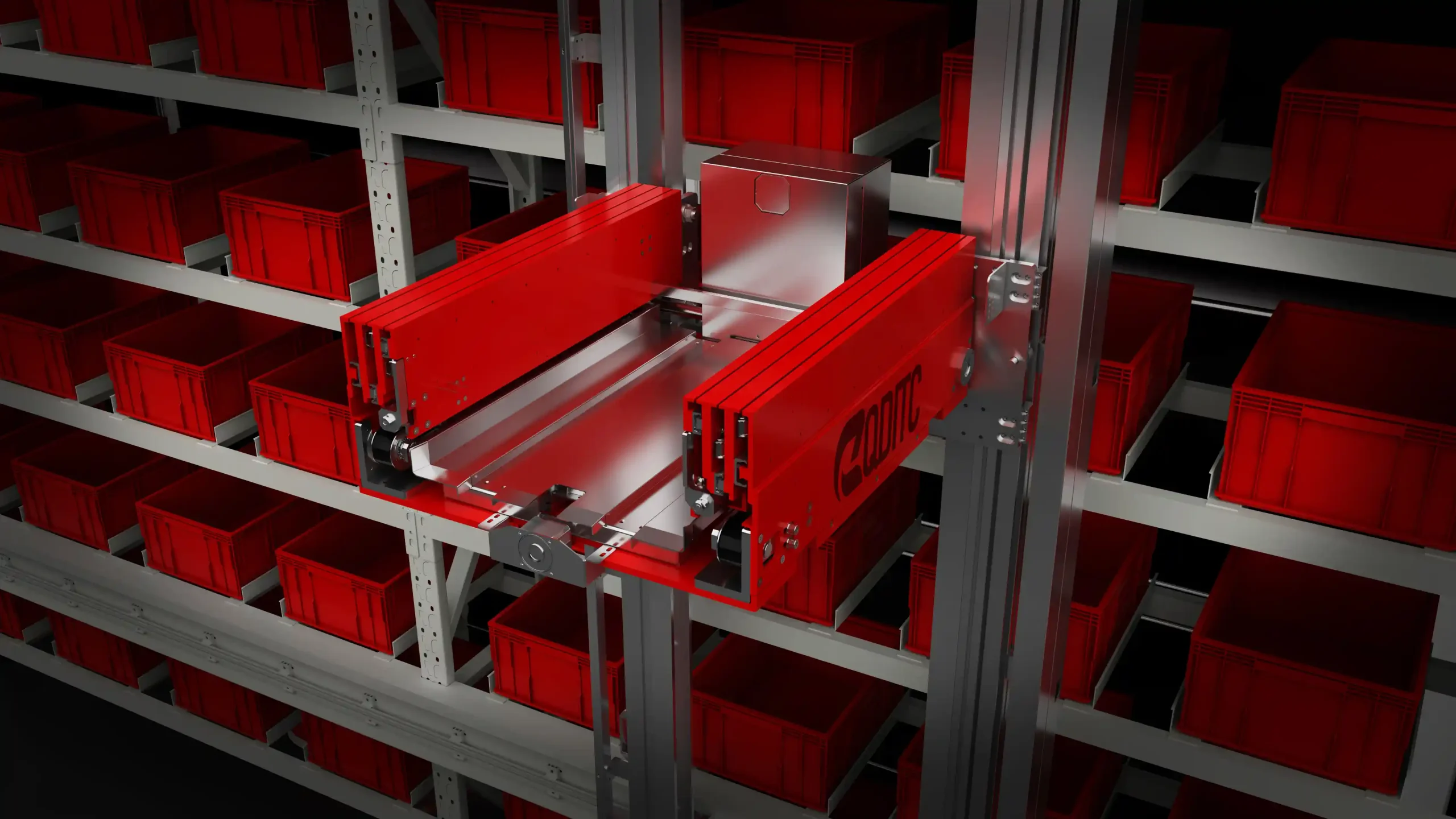
Our SmartLoad-RackBot system delivers more than twice the speed of traditional mini-load configurations while cutting implementation cycles and costs. The system supports multi-directional picking and placing, connecting smoothly with conveyors, robotic arms, and other automation equipment already on your floor.

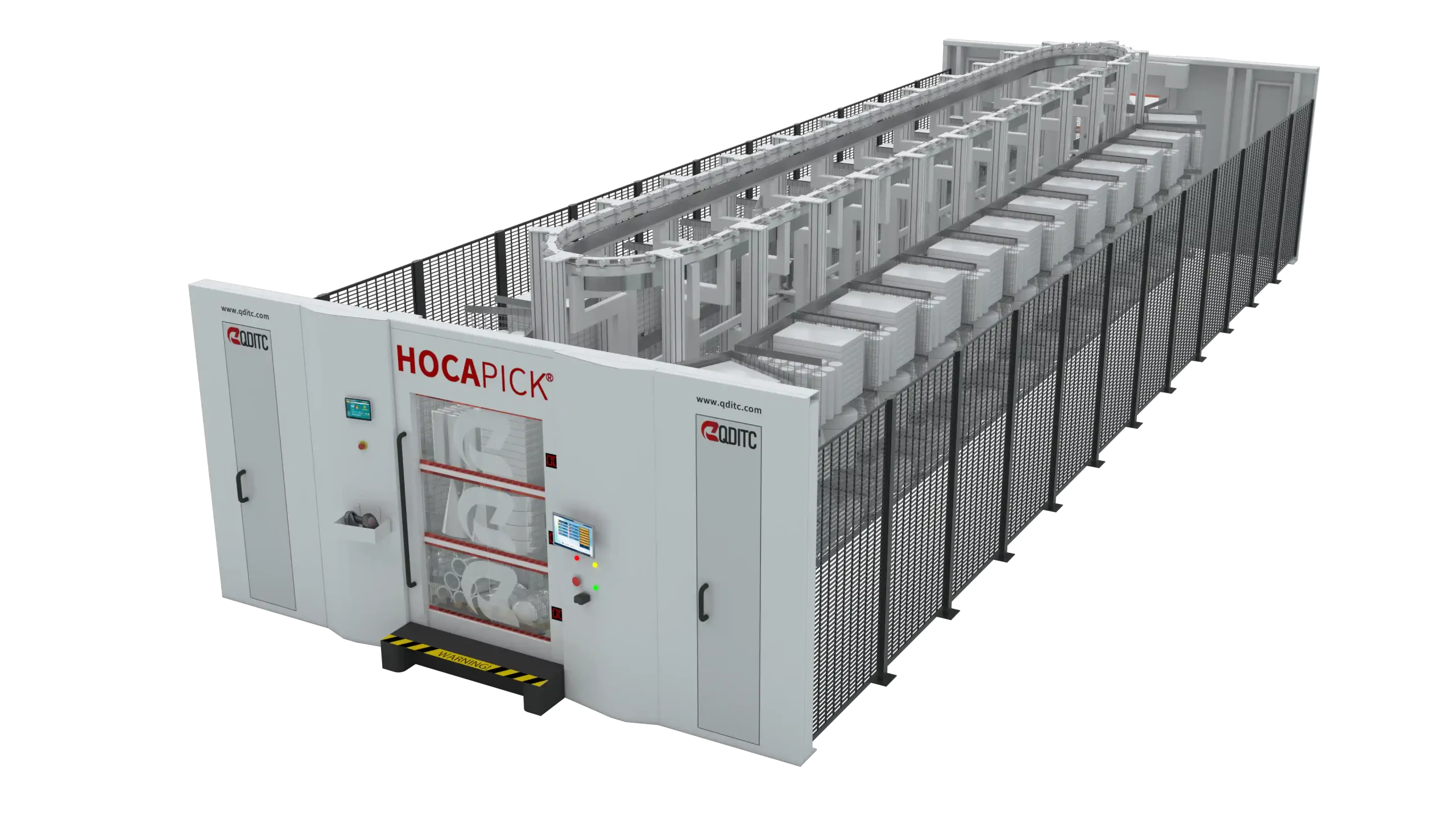
Mini-Load ASRS works particularly well for small parts inventory where space optimization and quick retrieval drive daily operations. The goods-to-person approach eliminates most operator travel time. Our FX-VCM: Vertical Carousel Module and FXH-HCM: Horizontal Carousel Module pack dense automated storage into limited footprints, using optimized algorithms to deliver materials to operators without wasted motion.

Unit-Load ASRS Moves Pallets and Heavy Materials

Unit-Load ASRS handles the big stuff. Pallets, large containers, heavy raw materials. The cranes and robotic vehicles in these systems move entire unit loads rather than individual pieces. Manufacturing logistics, raw material staging, and finished goods warehousing all benefit from this approach. Automotive plants and heavy machinery operations typically need this level of capacity.

The vertical storage density gains are substantial when you’re working with overloaded oversized items. Our PG-VLM: Vertical Lift Module stores ultra-long and ultra-wide materials, molds, tools, and heavy auxiliary materials with a maximum capacity of 1000kg per tray. Raw material staging areas, production line edges, and high-value finished product zones all use this system configuration.

Throughput and Capacity Drive the Selection Decision

The operational differences between these ASRS types show up in daily metrics. Mini-Load systems push higher throughput for individual items. Unit-Load systems deliver greater capacity for bulk storage. Footprint requirements differ significantly too. Mini-Load configurations optimize vertical space for smaller items while Unit-Load systems accommodate larger, heavier loads across broader floor areas.

Both system types integrate with warehouse management systems to streamline inventory management solutions and improve supply chain efficiency. The integration complexity varies based on your existing infrastructure and operational workflows.

How Do Mini-Load and Unit-Load ASRS Impact Warehouse Space Utilization?

Both Mini-Load and Unit-Load ASRS enhance warehouse space utilization through vertical storage. Mini-Load systems achieve high storage density by stacking small items in compact bins or totes. Unit-Load systems optimize space by storing pallets or large containers vertically, reducing the floor area needed for bulk inventory.

Which ASRS System Works Better for E-commerce Order Fulfillment?

Mini-Load ASRS typically wins for e-commerce order fulfillment. The system handles high volumes of individual items with strong picking accuracy and speed. Goods-to-person capabilities support rapid order processing directly. Unit-Load ASRS can manage bulk inventory for e-commerce operations, but Mini-Load excels in final order assembly stages.

ROI Calculation Requires Honest Cost Assessment

ASRS investment decisions need clear-eyed cost-benefit analysis. Initial costs include equipment, installation, and software. Operational costs cover energy consumption and maintenance. The payback comes from labor cost reduction, improved picking accuracy, reduced inventory damage, and better warehouse space utilization. We help clients evaluate these factors to build realistic business cases.

FactorMini-Load ASRSUnit-Load ASRS
Initial InvestmentModerate to HighHigh
Operational CostsLower labor, moderate energyLower labor, higher energy (for heavy loads)
MaintenanceRegular, specialized componentsRegular, robust components
Labor ReductionSignificant (goods-to-person)Significant (automated pallet handling)
Space SavingsHigh for small items (vertical density)High for bulk items (vertical density)
ROI DriversSpeed, accuracy, labor savings, spaceCapacity, safety, labor savings, space

Match Your ASRS Selection to Actual Growth Plans

The right ASRS choice aligns with your business goals and realistic growth projections. Product characteristics matter. Size, weight, volume, and typical order profiles all influence the decision. Current throughput requirements need honest assessment, and anticipated future demands deserve skeptical review. Scalable systems adapt to evolving needs without requiring complete replacement.

Operations handling small parts with rapid order fulfillment requirements fit Mini-Load ASRS or SmartLoad-RackBot configurations well. Businesses managing pallet or tray loads of raw materials or finished goods need Unit-Load systems, potentially integrated with a vertical lift module storage system. We provide operational consulting to guide these decisions through the complexity.

Anhui Qiande Builds ASRS Solutions for Specific Operations

Anhui Qiande Intelligent Technology Co., Ltd. offers 15 years of experience in industrial warehousing equipment production. Our ASRS solutions address diverse storage and material handling requirements. The product range includes vertical carousel modules, vertical lift modules, and horizontal carousel modules. Each installation targets specific operational challenges rather than generic warehouse problems. Our SN-VSM: Vertical Sort Module integrates with AGVs and conveyors or operates standalone, depending on what your operation actually needs.

Common Questions About ASRS Selection

What Cost Differences Exist Between Mini-Load and Unit-Load ASRS?

Mini-Load ASRS requires moderate to high initial investment, with final costs depending on throughput targets and storage capacity. Unit-Load ASRS typically demands higher upfront spending because the equipment must handle heavy loads with robust construction. Both systems generate operational savings over time through reduced labor costs, though the payback timeline varies by installation.

How Does Each ASRS Type Affect Available Warehouse Space?

Both systems deliver high-density storage through vertical organization. Mini-Load ASRS maximizes vertical space for smaller items, creating compact storage zones. Unit-Load ASRS uses vertical space for larger, heavier items like pallets, significantly reducing the horizontal footprint that bulk storage would otherwise require.

Which System Handles E-commerce Fulfillment Better?

Mini-Load ASRS handles e-commerce fulfillment demands more directly. The high throughput and precision in managing individual items supports rapid picking and packing operations. Unit-Load ASRS can support e-commerce by managing bulk inventory upstream, but Mini-Load systems match the speed and accuracy requirements of order processing more closely.

Work with Anhui Qiande on Your ASRS Selection

With 15 years of experience in industrial warehousing equipment production, Anhui Qiande Intelligent Technology Co., Ltd. helps businesses navigate ASRS selection decisions. Whether your operation needs Mini-Load precision or Unit-Load capacity, our team provides solutions designed for your specific storage spaces and material flow requirements. Contact us at +86 15262759399 or email miaocp@qditc.com for a consultation on how intelligent ASRS solutions can improve your operations.
ASRS Solutions for China Manufacturing: Factory Pricing & Integration Guide

China’s manufacturing sector sits at a crossroads. Labor costs keep climbing, efficiency demands grow sharper, and the old ways of running a warehouse simply cannot keep pace. Automated Storage and Retrieval Systems offer a way forward, one that addresses these pressures head-on rather than working around them. Drawing on 15 years of hands-on experience with industrial warehousing equipment, we have seen how these systems reshape operations, cut overhead, and push productivity higher across vastly different manufacturing setups.

Why ASRS Matters for Manufacturing in China Right Now

The push toward automated storage and retrieval systems in Chinese manufacturing is not about chasing technology for its own sake. It responds to real economic shifts. When wages rise year after year, automating storage and retrieval tasks becomes less of a luxury and more of a necessity. The math changes. Suddenly, the upfront investment in an automated storage and retrieval system starts looking reasonable against the ongoing cost of manual labor.

Anhui Qiande Intelligent Technology Co., Ltd. has spent 15 years building and refining industrial warehousing equipment. That experience shapes how we approach warehouse automation solutions. We focus on material handling efficiency because that is where the gains show up most clearly. Precise inventory management means faster access to components. Faster access means production lines run smoother. The ripple effects touch everything from error rates to worker safety to how much usable space you actually get out of your facility. An automated storage and retrieval system turns a traditional warehouse into something closer to a high-performance logistics hub, and that transformation supports long-term competitiveness in ways that matter globally. gq-smartload3

ASRS Cost Factors and ROI in the Chinese Market

Getting a handle on ASRS cost China requires looking at several moving parts. The type of system you choose, whether unit-load, mini-load, or something else entirely, sets the baseline. From there, capacity requirements drive the numbers up or down. How much do you need to store? How fast do you need to move it? These questions shape the investment.

Software integration adds another layer. Connecting an automated storage and retrieval system to a warehouse management system or warehouse control system is not optional if you want real automation. It is also not trivial. The complexity of that integration affects both cost and timeline. Then there is installation itself. Site preparation, structural modifications, the physical work of getting everything in place, all of this varies by location and existing infrastructure.

We design solutions matched to specific storage spaces and materials because one-size-fits-all rarely fits anyone well. When calculating return on investment for automated warehouse pricing, the numbers come from labor savings, space optimization, and reduced inventory damage. Our cost-benefit analysis ASRS work helps clients see realistic payback periods. Most projects hit that payback window within 1 to 3 years, driven by the compounding effect of multiple efficiency gains.

FactorDescriptionImpact on Cost
System TypeUnit-load, Mini-load, Shuttle, VLM, CarouselHigh (Varies significantly)
CapacityStorage volume, throughputHigh (Scales with size/speed)
SoftwareWMS, WCS integrationMedium (Essential for automation)
InstallationSite preparation, structural changesMedium to High (Site-dependent)
CustomizationSpecific material handling needsMedium (Adds complexity)

Making ASRS Integration Work in Chinese Factories

Successful ASRS integration does not happen by accident. It starts with understanding what you have now. How does material actually flow through your facility? Where are the bottlenecks? What are your real storage requirements versus what you think they are? These questions need honest answers before any system design begins.

Once that analysis is complete, selecting the right automated storage and retrieval system technologies and layout configurations becomes possible. Software integration follows. Linking the ASRS with your existing warehouse management system and warehouse control system determines whether the whole thing runs smoothly or becomes a headache. Mechanical setup and electrical connections come next, then testing and commissioning to verify everything works as designed.

Anhui Qiande manages each phase from initial consultation through post-installation support. This structured approach keeps disruption to a minimum while maximizing what you get from material flow automation. The goal is smart factory solutions that actually integrate with your existing logistics technology. HCM-1

Implementation timelines typically run 6 to 18 months. System complexity, factory readiness, and customization requirements all influence that range. Existing infrastructure, data migration, and workforce training play their parts too. Clear communication throughout the process helps align expectations and catch potential delays before they become problems.

Matching ASRS Types to Manufacturing Requirements

Different automated storage and retrieval system configurations suit different situations. Getting this match right matters more than most people realize.

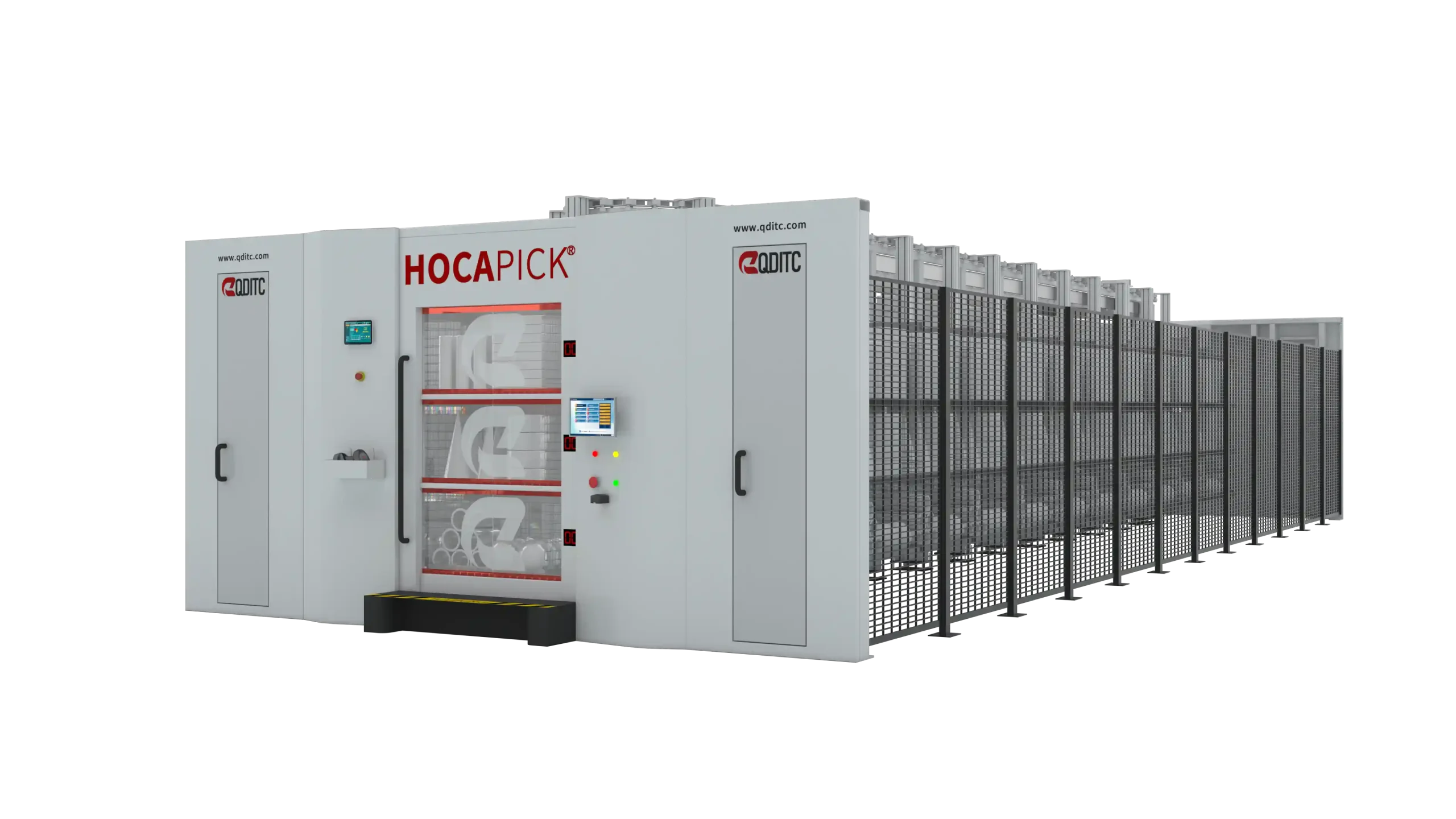
Vertical Carousel Modules work well for small parts and tools when floor space is tight. They pack storage density into a small footprint and provide quick access. Vertical Lift Modules handle the opposite end of the spectrum, managing ultra-long, ultra-wide, or heavy materials up to 1000kg per tray. Raw materials and valuable finished products often end up here. Horizontal Carousel Modules make sense when ceiling height is limited but you still need dense automated storage. The shelves rotate horizontally, bringing items to the operator rather than sending the operator to the items. Vertical Sort Modules handle turnover boxes and integrate smoothly with AGVs and conveyors.

Our SmartLoad-RackBot system deserves special mention. It cuts implementation cycles by over 70% and costs by over 20% compared to traditional miniLoad systems. Multi-directional picking and placing, open API for integration, reduced energy consumption. These features add up.

ASRS TypeBest ForKey FeatureMax Load (per unit)
FX-VCMSmall parts, tools, archivesVertical rotation, space-savingVaries by standard
PG-VLMUltra-long/wide, heavy materialsHigh-speed operation, modular1000kg per Tray
FXH-HCMLimited height, dense storageHorizontal rotation, shortest pathVaries by Shelf
SN-VSMTurnover boxes, integration with AGVVertical lift, horizontal translationVaries by box size
SmartLoad-RackBotHigh-speed, multi-directional pickingReduced cost & energy, fastNot specified

Evaluating product characteristics, throughput requirements, and available space leads to better decisions. We work through these factors with clients to find the right fit for their specific storage spaces and materials. HCM-2

Keeping ASRS Systems Running Long Term

An automated storage and retrieval system is a significant investment. Protecting that investment means thinking about maintenance and support from the beginning, not as an afterthought.

Preventative maintenance prevents unexpected downtime. Scheduled inspections catch problems before they become failures. Component replacements happen on a planned schedule rather than in a crisis. spare parts availability matters here. When something does break, you need the parts on hand for rapid repair.

Anhui Qiande provides comprehensive service packages because 15 years of building industrial warehousing equipment has taught us what happens when support falls short. We offer thorough use training for your personnel so they can operate and troubleshoot systems effectively. This commitment to post-installation service keeps automated systems efficient and reliable for years. RACKBOT 1

Common Questions About ASRS Solutions

What drives ASRS pricing differences in China?

ASRS pricing in China reflects system type, storage capacity, automation level, and software integration requirements. Connecting to a WMS or WCS adds cost but enables real automation. Installation complexity varies by site. Customization for specific materials or storage configurations also affects the final number. Anhui Qiande tailors solutions to optimize the investment for each client’s situation.

How does ASRS support lean manufacturing?

An automated storage and retrieval system reduces waste across multiple dimensions. Excess inventory drops. Space utilization improves. Unnecessary movement of goods decreases. Waiting times shrink. Manual handling errors become less frequent, which improves quality. The result is a more streamlined production flow that aligns with lean principles in practice, not just theory.

Will ASRS work with existing factory systems?

ASRS solutions integrate with existing factory infrastructure, including conveyor systems, production lines, and ERP systems. Anhui Qiande assesses current setups to design automated storage and retrieval systems that complement existing workflows. The goal is enhancement with minimal disruption during implementation.

Work with Anhui Qiande on Your ASRS Project

If you are considering a custom automated storage and retrieval system solution for your manufacturing operations, Anhui Qiande Intelligent Technology Co., Ltd. brings 15 years of industrial warehousing equipment expertise to the conversation. Contact our specialists for a personalized consultation. We can discuss the specific storage and material handling challenges you face and explore cost-effective solutions that fit your situation. Reach us at +86 15262759399 or miaocp@qditc.com.