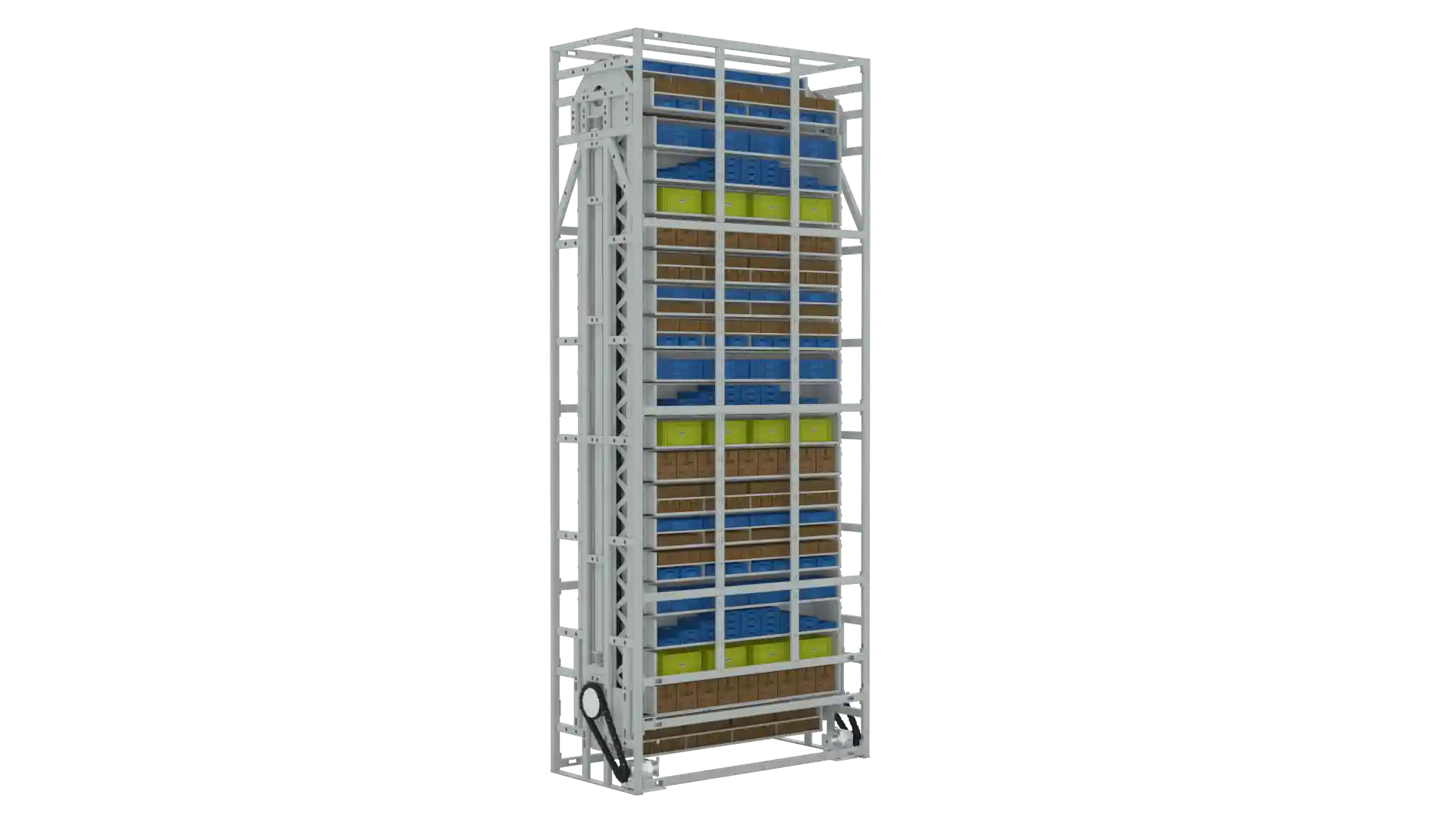
Vertical Lifting Module (VLM) for Vertical Lift Warehouse- The Ideal Choice for Intelligent Storage of Small Cosmetic Items

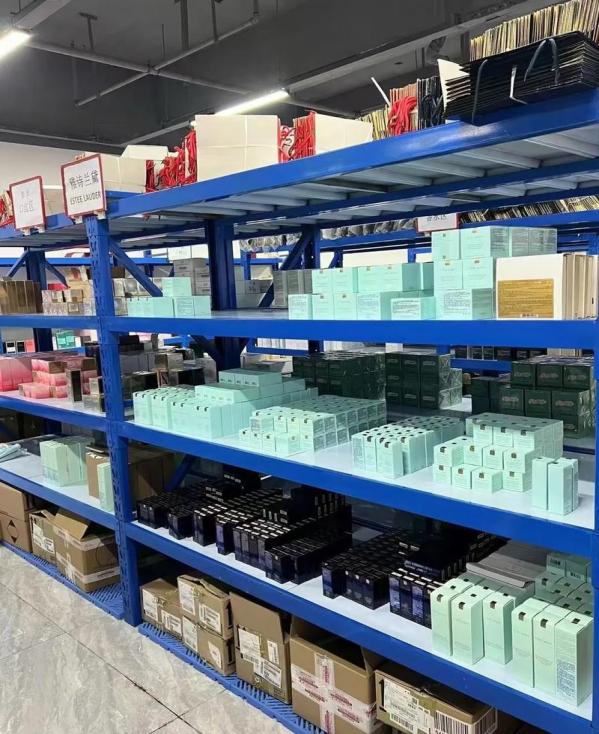
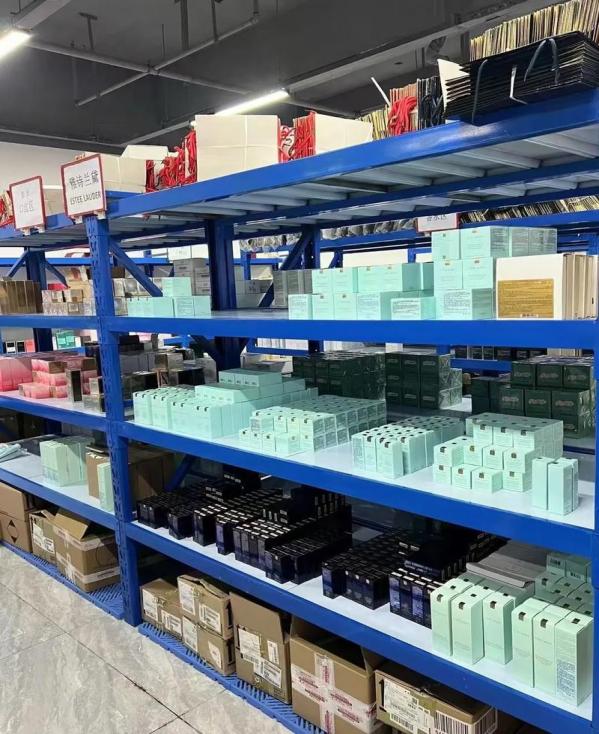
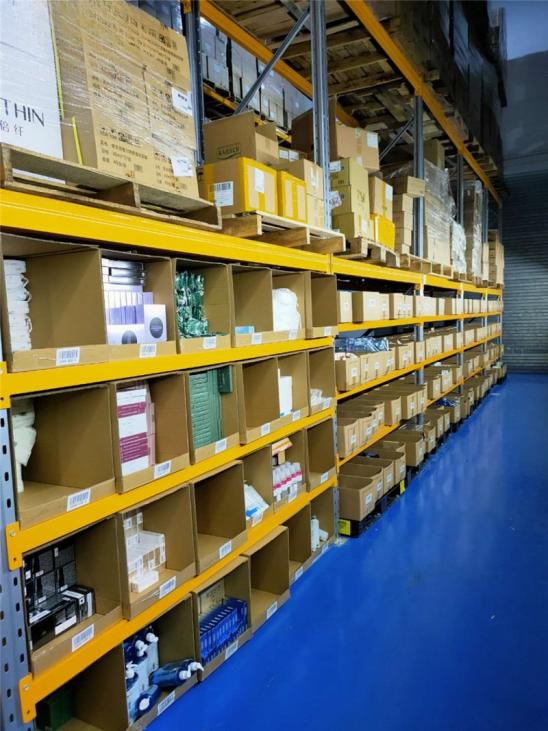
The beauty and skincare industry features rapid product iteration. It carries a wide range of small goods with varied dimensions, including trial samples, cosmetic accessories, dispensing bottles, lipsticks, eyeshadow palettes and miniature skincare products. Traditional shelving and open storage occupy excessive workshop and warehouse space. Random stacking of goods often results in mixed batches, wrong item allocation, surface scratches and damages. Manual stocktaking and order picking are time-consuming and labor-intensive, which cannot keep up with the high-speed repackaging, e-commerce delivery and lab sample storage needs of beauty brands.

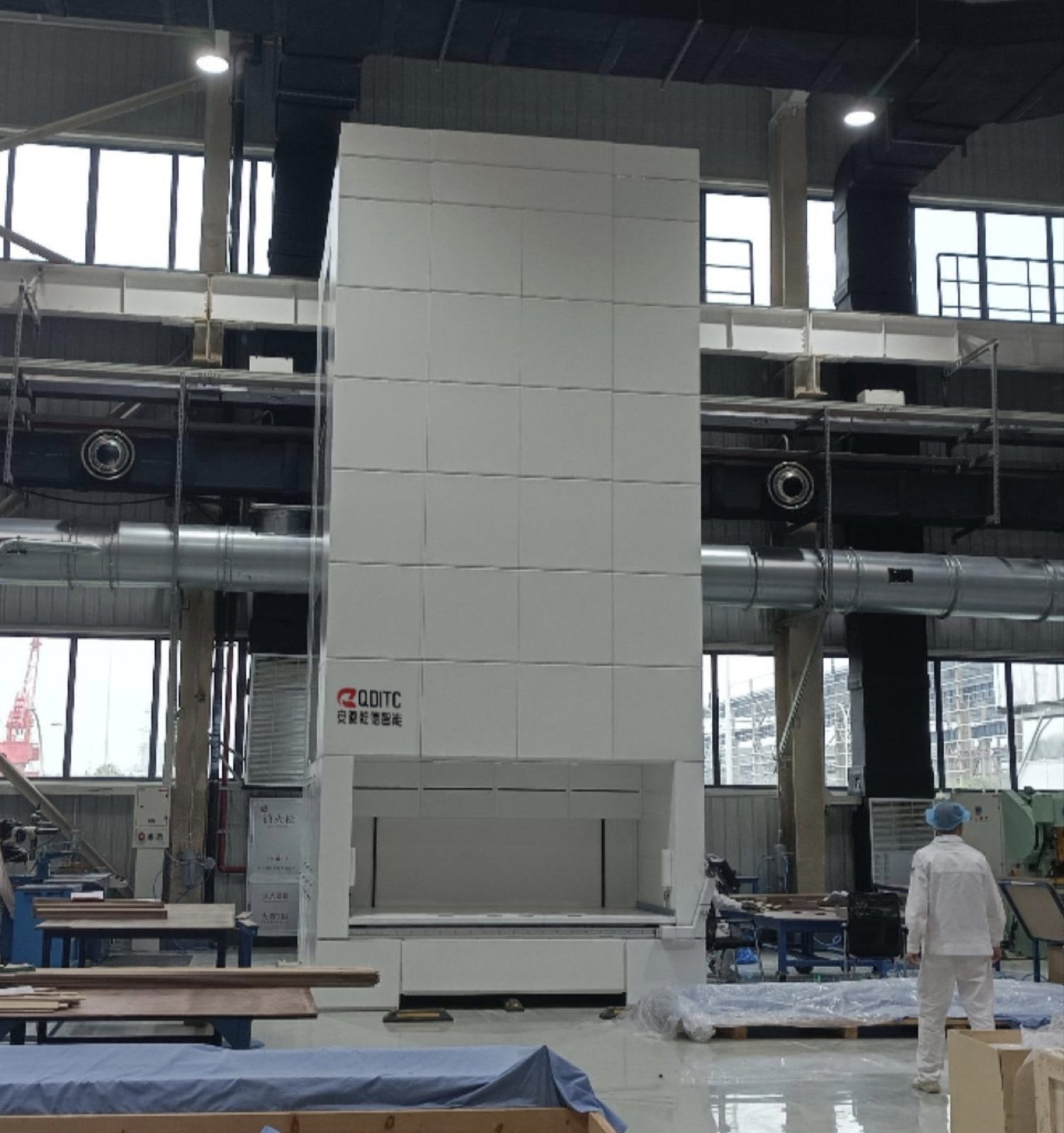
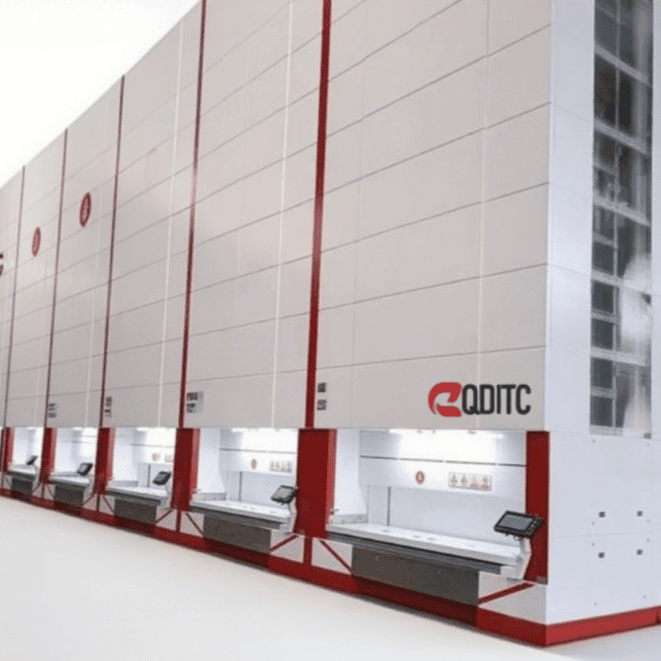
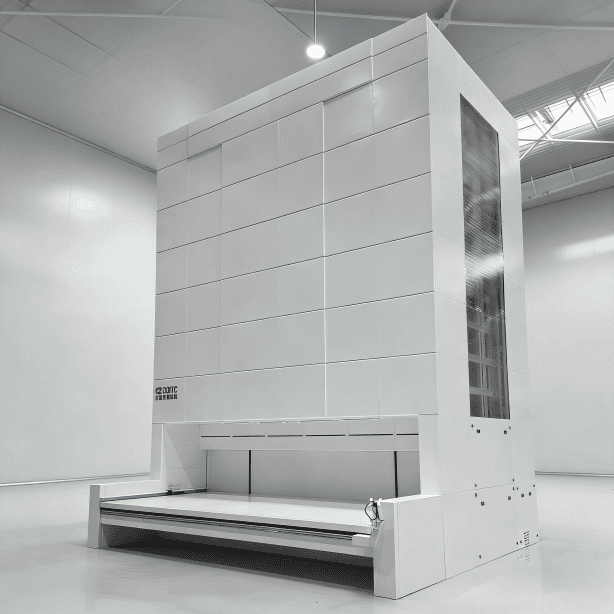
VLM Vertical Lift Warehouse for Small Cosmetic Items overview image
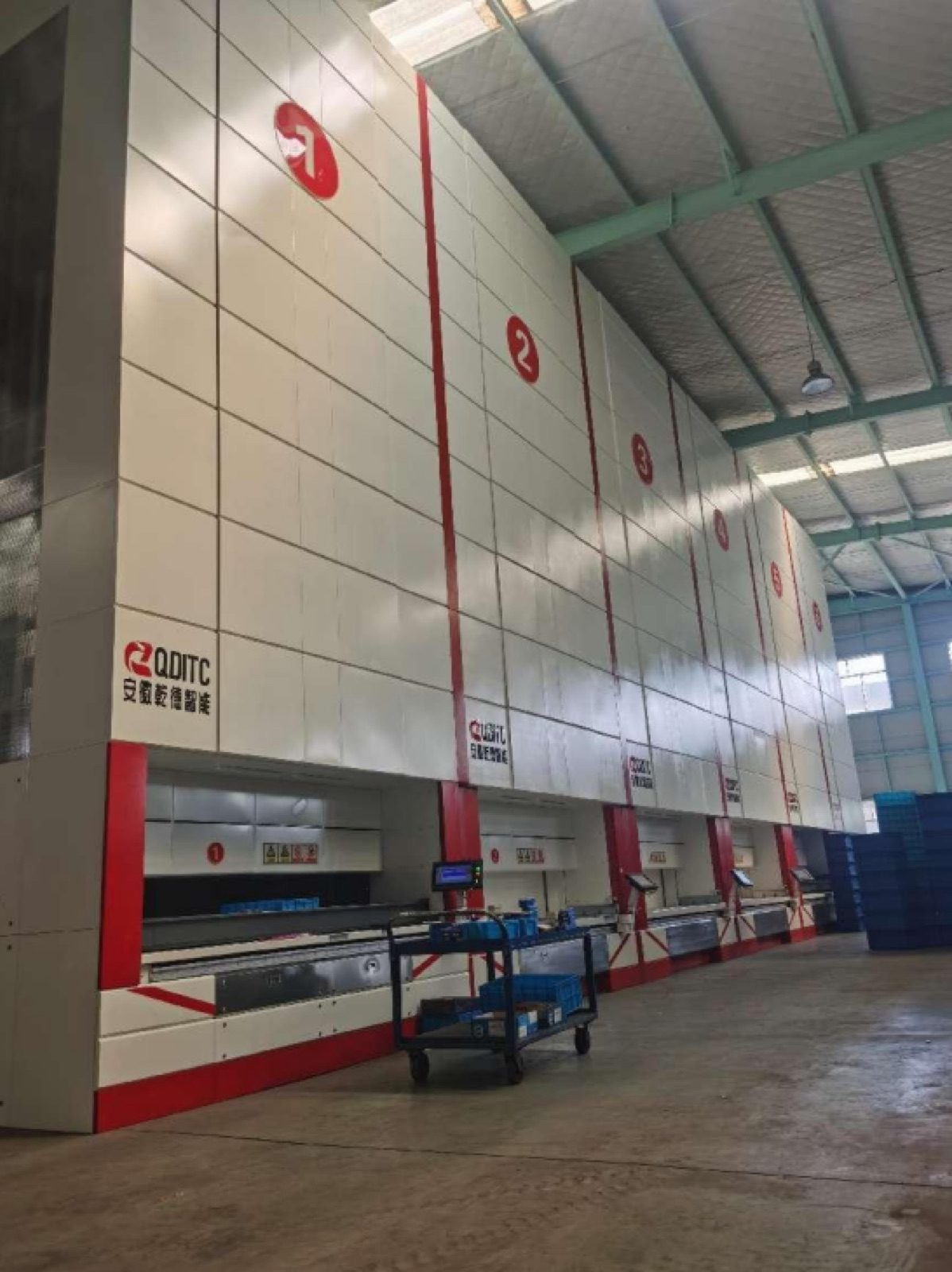
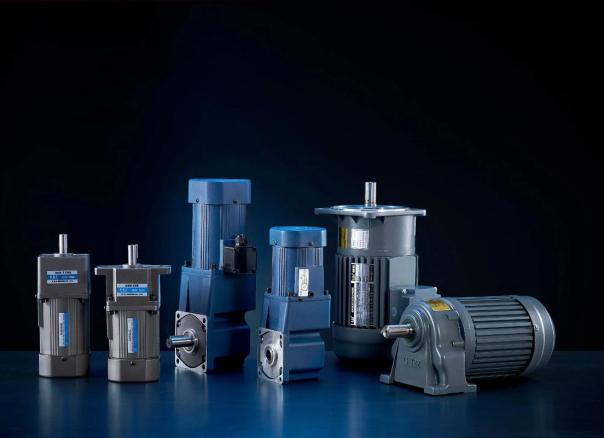
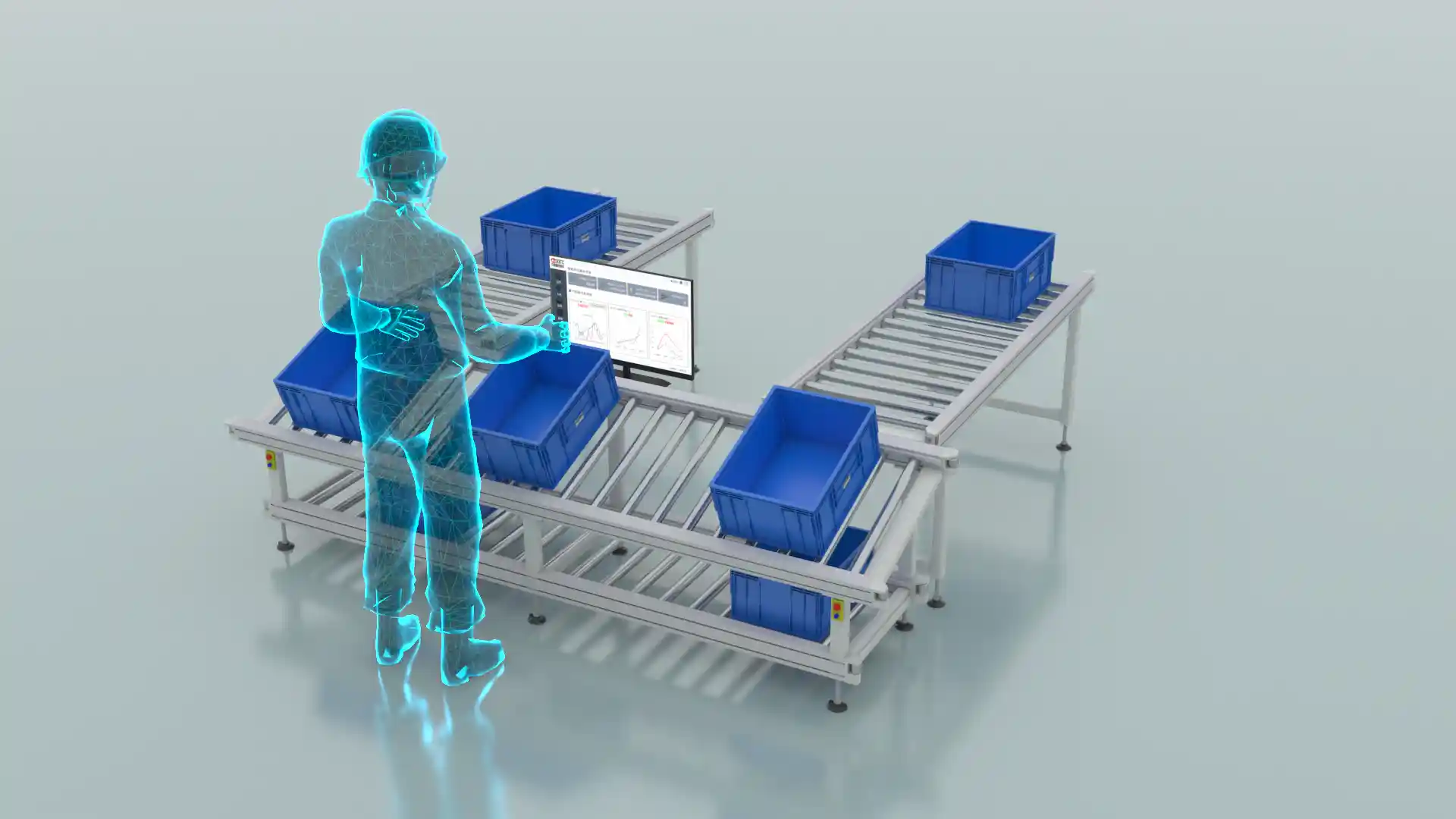
VLM Vertical Lift Warehouse for Small Cosmetic Items supporting image 2

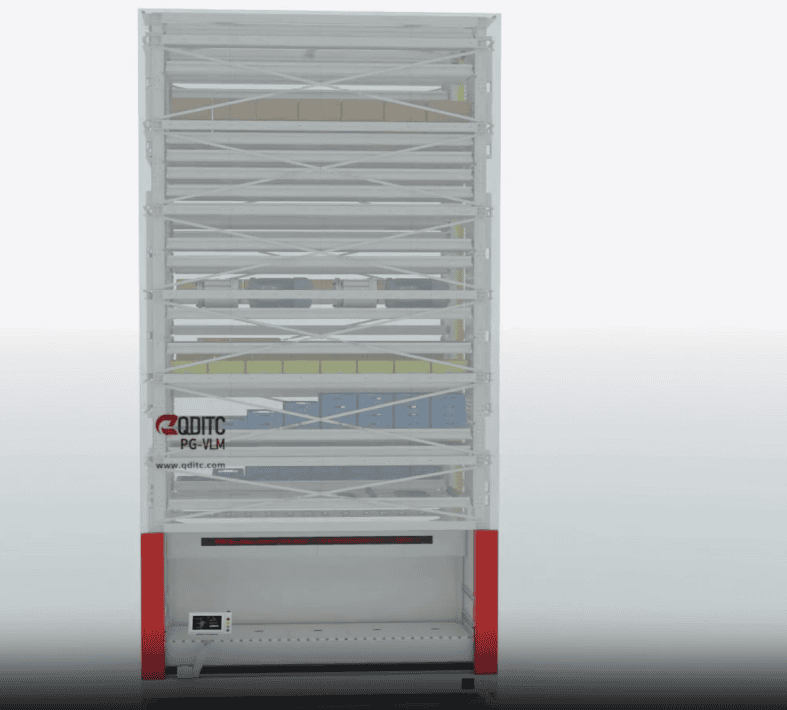
The Vertical Lifting Module (VLM) provides a lightweight three-dimensional storage solution specially designed for small-sized cosmetics of diverse specifications.

Featuring a vertical lifting structure, the VLM maximizes vertical warehouse space and greatly cuts floor occupation compared with conventional racks. It can be easily deployed in small and medium-sized cosmetic factories, brand sample rooms and repackaging workshops.

The internal storage shelves allow free height adjustment to accommodate beauty items of vastly different sizes. Mini serums, cosmetic trial packs, makeup tools and irregular dispensing containers can be neatly stored in separate zones to prevent mixed inventory from the very beginning.

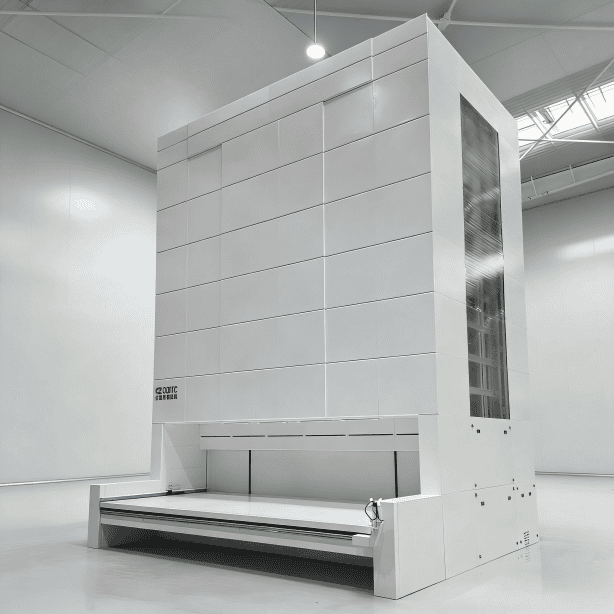
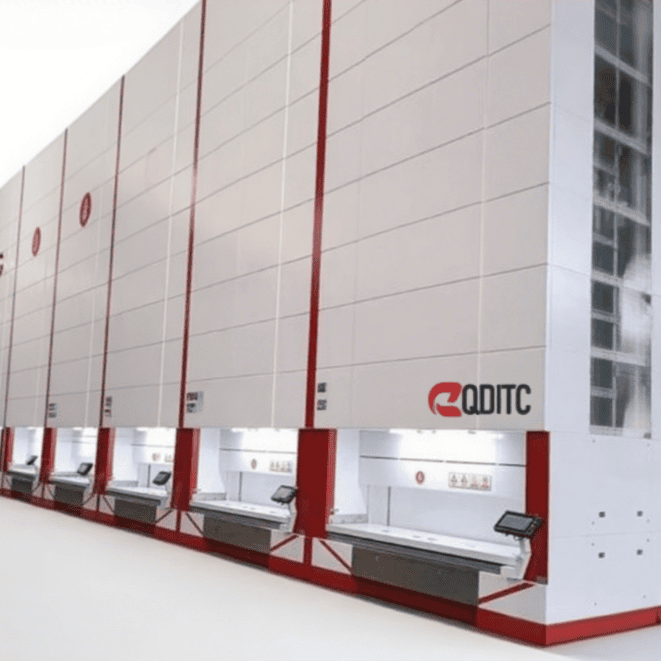
The fully enclosed cabinet effectively blocks dust and hair, protecting the paint finish and outer packaging of cosmetics against abrasion and maintaining good product appearance. Designed for regular cosmetic production and sample storage environments, the machine boasts a stable and long-lasting mechanical structure. It requires simple daily cleaning and maintenance, leading to low long-term operating costs.

Equipped with an intelligent lifting control system, the unit automatically retrieves the corresponding storage bin once the item code is entered. Operators no longer need to search shelf by shelf manually, which drastically improves the efficiency of sample preparation, order allocation and outbound delivery. The system automatically logs all access records and retains batch and style information throughout the process. Stocktaking and data verification can be completed with one click, helping cosmetic enterprises manage sample inventory and distinguish between new and old trial products.

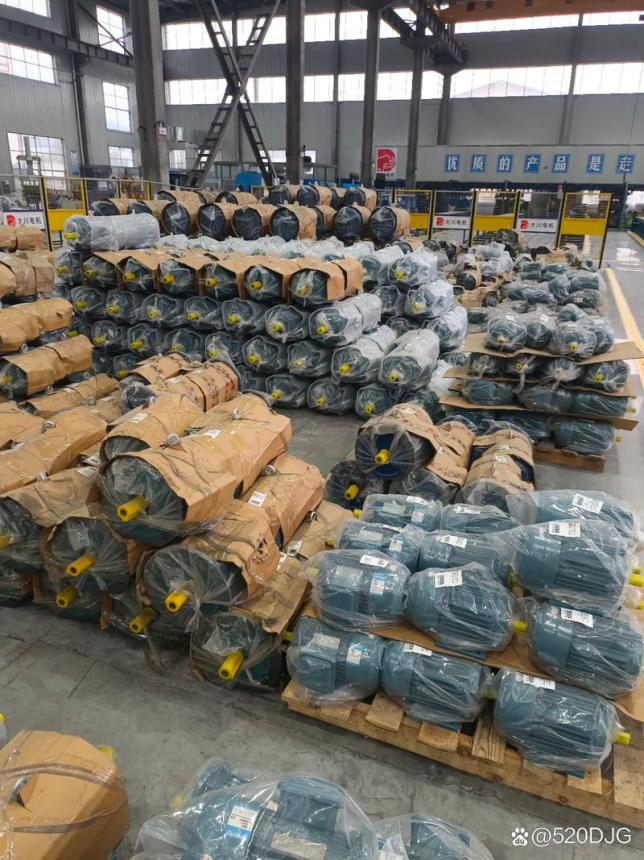
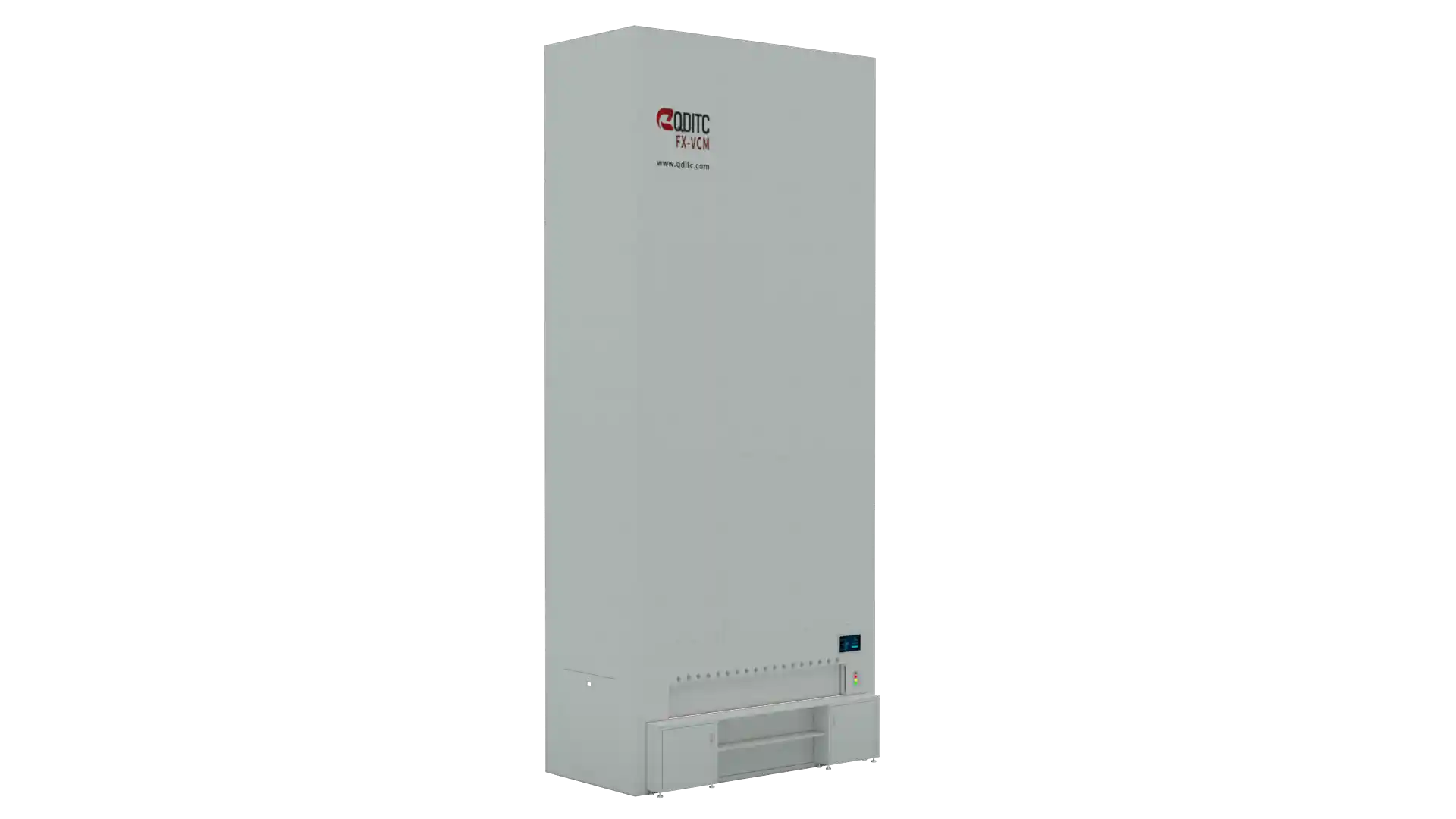
VLM Vertical Lift Warehouse for Small Cosmetic Items supporting image 3
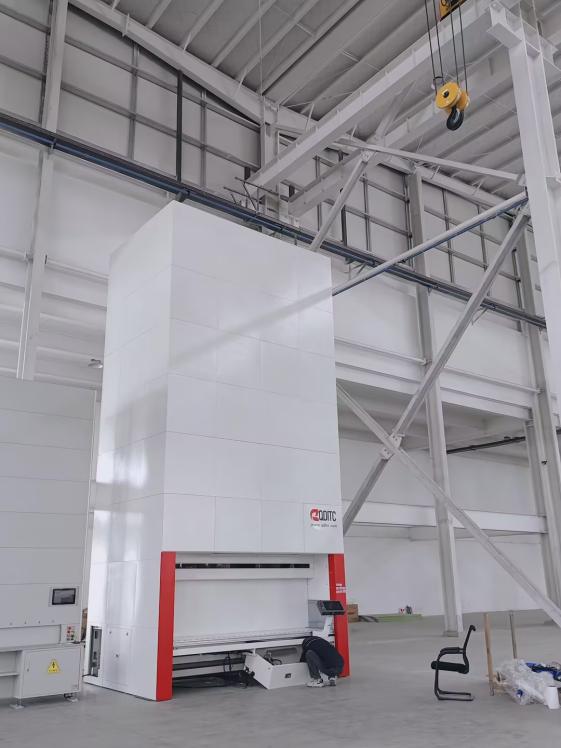
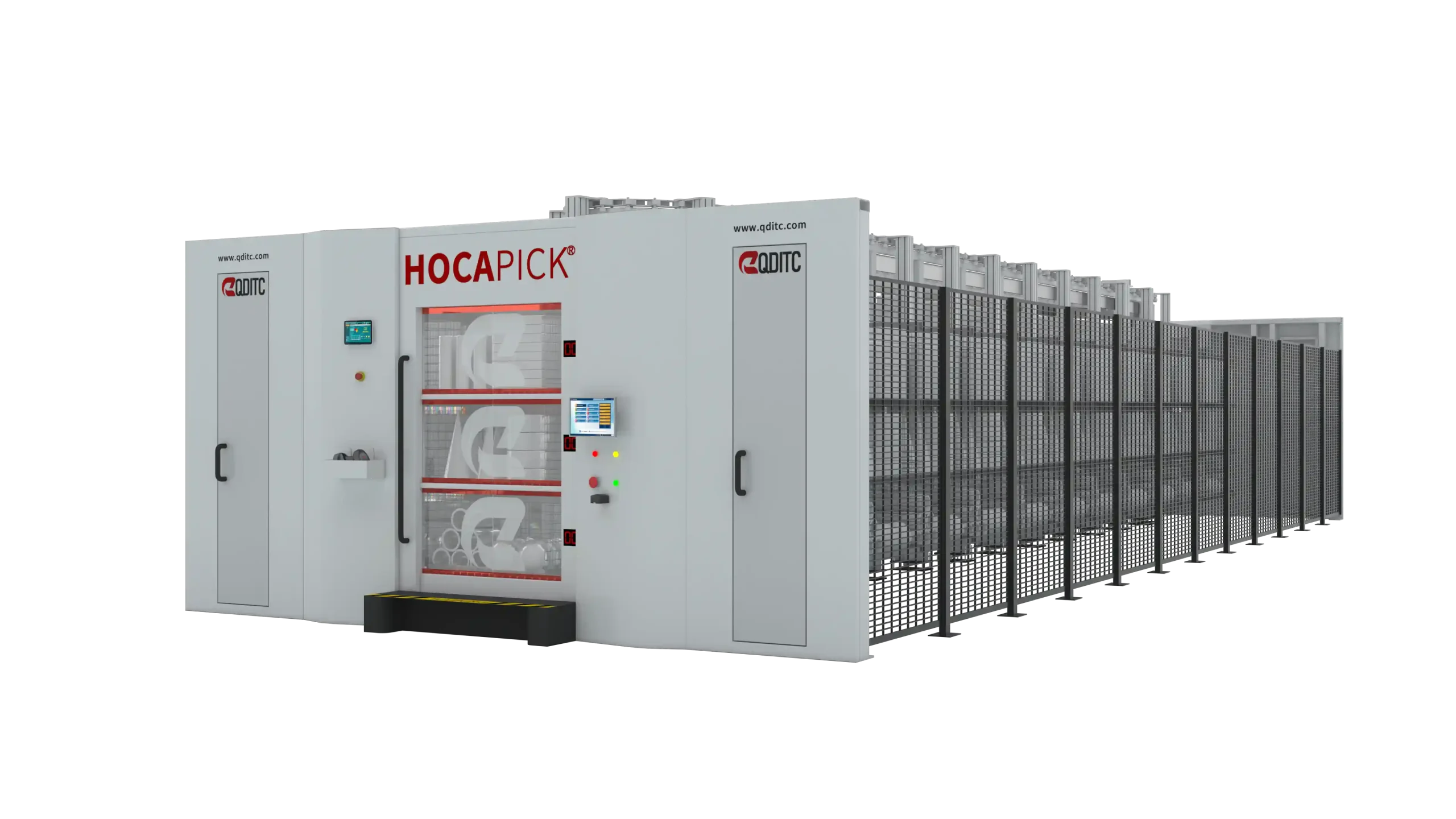
VLM Vertical Lift Warehouse for Small Cosmetic Items supporting image 4

The equipment is user-friendly and requires no professional training for operation. It can be used individually , or multiple units can be combined to build a small intelligent cosmetic warehouse.

With its high-efficiency vertical storage capacity, the Vertical Lifting Module addresses the storage challenges of small cosmetics with multiple specifications, helping the beauty industry achieve standardized warehouse management and highly efficient order picking.

How Smart Warehousing Reshapes the Future of Pharma

Vertical Lift Module for Electrical Equipment Manufacturing Warehousing supporting image 4

In the pharmaceutical field, where human health is paramount, the safe and efficient flow of every pill and every reagent is a critical commitment to life.

However, traditional warehouses face severe challenges: massive SKU management, stringent GSP/GMP compliance, complex batch/expiry control, and the need for constant temperature/humidity storage. The efficiency and error rate of manual management have become potential risks that restrict growth and compromise drug safety.

The Solution: Smart Warehousing & Logistics Systems

Smart warehousing solutions, integrating core technologies like Automated Storage/Retrieval Systems (AS/RS), AGV/AMR robots, intelligent shuttles, and WMS/WCS software, are building a high-efficiency, precise, reliable, and fully traceable modern logistics system for pharma.

All-Round Climate Guarding, Ensuring Drug Quality

By utilizing high-density AS/RS to significantly reduce door openings, and combined with intelligent environmental monitoring, smart warehousing ensures constant temperature/humidity in cold storage, providing 7×24 uninterrupted protection for high-end drugs.

Robotics & AI-Driven, Achieving “Zero Error” Operations

“Man-to-goods” becomes “goods-to-person.” The system dispatches stacker cranes and shuttles for precise retrieval, while AGVs transport goods to workstations. Fully automated handling eliminates human picking errors.

End-to-End Digital Traceability, Fortifying Compliance

From the moment a drug is received, its batch/expiry/serial number is locked in by the WMS. Every movement creates an immutable data chain, easily meeting national drug traceability requirements.

Responding to Emergencies, Enhancing Resilience

During public health events or order peaks, smart warehousing can respond instantly, quickly and accurately completing the sorting and shipping of massive drug quantities.

Conclusion: Investing in Intelligence, Investing in the Future

Adopting smart warehousing is not only a strategic decision to reduce costs and increase efficiency, but also a solemn commitment to drug safety and social responsibility.

It makes pharmaceutical logistics smarter, safer, and more caring, empowering the industry’s future and focusing on guarding human health.

Email:sunningning@qdquick.com

WHATSAPP:+86 19315209071

Intelligent Warehousing Empowers the Beauty Industry — Choose QDITC Vertical Lift Module for Cost Reduction & Efficiency Improvement

Vertical Lift Module for Beauty Industry Warehousing overview image

Anyone in the beauty business knows all too well: new blockbuster products keep launching in succession,product categories are extremely diverse,shelf-life control is stringent,and orders are large in volume yet scattered in small batches. Against such industry dynamics,warehousing capability has become the core foundation for beauty brands to maintain reputation,control costs and accelerate order fulfillment.

Nevertheless,many beauty merchants and brand warehouses are still trapped by the pain points of traditional warehousing. Massive skincare,makeup,fragrance and beauty tools are piled up randomly; manual picking is time-consuming and labor-intensive,with frequent wrong and missing deliveries. Expiring products are mixed in stock and hard to sort out; inventory counting still relies on manual bookkeeping and spreadsheet registration,leading to unsynchronized data and disconnected multi-warehouse information,not to mention the lack of intelligent early warning mechanisms.

Over time,brands either suffer losses from overstocked expired goods or miss business opportunities due to stockouts of bestsellers,leaving operations in a passive state at every turn. These underlying warehousing shortcomings are exactly the key bottlenecks restricting the scaling-up of beauty brands.

Vertical Lift Module for Beauty Industry Warehousing overview image
Vertical Lift Module for Beauty Industry Warehousing supporting image 2

QDITC has in-depth insights into the warehousing pain points of the beauty industry and tailor-made intelligent Vertical Lift Module,providing one-stop integrated solutions for the digital,refined and shelf-life oriented upgrading of beauty warehousing.

Vertical Lift Module for Beauty Industry Warehousing supporting image 3
Vertical Lift Module for Beauty Industry Warehousing supporting image 4

Equipped with precision toothed transmission technology,the module features fast access speed,low operation noise and high positioning accuracy. Combined with intelligent sensing and weight adaptation algorithms, it is compatible with beauty goods of varied specifications, sizes and weights. With stable and durable operation, it supports non-stop operation during e-commerce shopping festivals and live-streaming sales peaks.

Matched with a dedicated intelligent WMS Warehouse Management System, it completely reconstructs the data management model for beauty products and realizes digital refined control of all SKUs. The entire process — including goods warehousing filing, batch zoning, intelligent put away, order picking, outbound verification and dynamic inventory counting — features automatic data recording and real-time cloud synchronization,integrating scattered manual ledgers and spreadsheet data.

Embedded with functions such as batch management and intelligent replenishment,the system monitors inventory levels in real time and optimizes stocking arrangements accurately,avoiding stockouts of hot-selling items and overstocking of regular products. It makes the whole chain of procurement, stocking and delivery more scientific and controllable.

Embedded with functions such as shelf-life early warning,batch management and intelligent replenishment, the system monitors inventory levels in real time and optimizes stocking arrangements accurately, avoiding stockouts of hot-selling items and overstocking of regular products. It makes the whole chain of procurement, stocking and delivery more scientific and controllable.

It adopts the fully automatic goods-to-person access mode with light picking guidance, eliminating the need for staff to search goods across large areas. This greatly improves inbound and outbound turnover efficiency, fundamentally reducing order errors, missing parcels and delayed deliveries, enabling seamless handling of large live-stream orders and scattered multi-platform orders.

The intelligent Vertical Lift Module adapts to full-scenario applications in the beauty industry, applicable to brand headquarters finished goods warehouses, e-commerce live-streaming cloud warehouses, beauty drop-shipping warehouses, daily chemical wholesale centers, raw material and packaging warehouses, as well as sample and gift turnover warehouses.

Driven by technological innovation,QDITC provides intelligent warehousing solutions tailored to modern storage needs. The company’s core businesses cover integrated automated warehousing systems such as VLM, VCM, VSM, HCM, ASRS, and AGV/RGV systems,with both standardized and customized equipment services available.Leveraging cutting-edge technologies and professional expertise, QDITC improves operational efficiency and sets industry benchmarks. With self-owned large-scale manufacturing plants, sufficient spot inventory is available, and its equipment is exported to 20 countries worldwide. The company empowers partners to enhance core competitiveness and achieve sustainable development in a rapidly evolving market.

Intelligent Storage Boosts Efficiency for Toy & Cultural Creative Products: QDITC Vertical Lift Modules Streamline Multi-SKU Small Parts Management

Vertical Lift Module for Beauty Industry Warehousing supporting image 4

Toy and cultural gift enterprises carry an extensive range of SKUs, including assembly small parts, figure models, decorative accessories and gift box sets. These goods vary drastically in size and weight, with high turnover rates across offline retail stores, e-commerce warehouses and finished goods transfer warehouses.

Traditional rack storage brings multiple pain points: tiny accessories scatter and mix together, leading to frequent order picking errors during manual handling; open storage easily causes collision damage to toys; limited floor space forces companies to rent extra external warehouses to accommodate bulk goods; manual paper-based inbound/outbound recording delays inventory data updates, resulting in constant stockouts of hot-selling items and overstock of slow-moving products.

QDITC digs deep into warehousing pain points plaguing the toy and cultural retail industry, developing customized intelligent Vertical Lift Modules to deliver one-stop turnkey solutions for high-density, refined storage management of small cultural creative parts.

The equipment adopts a modular structural frame with gear transmission for high-speed, low-noise operation. Paired with dynamic weight sensors, it precisely monitors the weight of all stored goods. Fully enclosed cabinets prevent collision and falling damage to toys and cultural merchandise. Custom multi-compartment dividers are optional to split pallets into separate slots for classified storage of tiny assembly components and ornaments. Equipment height can be tailored to site requirements, and a full range of pallet sizes accommodates lightweight figure gift boxes as well as heavy carton cultural products, enabling stable round-the-clock operation to meet concentrated outbound demands during major e-commerce promotions.

The supporting WMS warehouse management software features open API for seamless integration with e-commerce order systems. Goods barcodes are bound upon warehousing to distinguish toys by series, style and batch. Light-directed picking guides operators to target items accurately and drastically cut picking error rates. The system updates inventory data in real time and automatically sends stock-out alerts. Managers can remotely monitor inventory levels across all warehouses, rationally arrange replenishment schedules, and minimize losses from overstock and stock shortages.

Vertical storage expands overhead space without reserving wide manual walkways. The same floor area delivers far greater storage capacity than traditional racks. It fits perfectly in backrooms of offline stores and small e-commerce warehouses, slashing warehouse rental costs. The goods-to-person automated picking model lets staff wait for materials at fixed stations, eliminating time wasted on cross-warehouse searching and doubling single-order picking efficiency.

QDITC Vertical Lift Modules suit all toy and cultural creative warehousing scenarios: backroom storage for brand offline stores, e-commerce fulfillment warehouses, finished goods transfer warehouses for cultural factories, and dedicated storage zones for spare parts.

Driven by technological innovation,QDITC provides intelligent warehousing solutions tailored to modern storage needs. The company’s core businesses cover integrated automated warehousing systems such as VLM, VCM, VSM, HCM, ASRS, and AGV/RGV systems,with both standardized and customized equipment services available.Leveraging cutting-edge technologies and professional expertise,QDITC improves operational efficiency and sets industry benchmarks. With self-owned large-scale manufacturing plants,sufficient spot inventory is available,and its equipment is exported to 20 countries worldwide.The company empowers partners to enhance core competitiveness and achieve sustainable development in a rapidly evolving market.

Intelligent Storage for Motor Components: QDITC Vertical Lift Modules Enable Closed-Loop Material Circulation on Production Lines

Vertical Lift Module for Beauty Industry Warehousing supporting image 3

Motor manufacturers stock massive volumes of stators, rotors, sensors, bearings, small stamped parts, cutting tools and other materials. With continuous feeding from workshop-side warehouses, they impose stringent requirements on rapid material access and classified precise management. Traditional flat rack warehouses suffer from disorderly stacked materials; cutting tools and precision fittings are susceptible to oxidation and collision damage. Manual picking consumes substantial labor hours and holds up motor assembly schedules. Material inbound and outbound activities lack digital records, making batch traceability of spare parts unachievable. Workshop floor space is strained with no extra area for newly added materials, while expansion renovations for dust-free workshops incur extremely high costs.

QDITC thoroughly addresses the core warehousing pain points of the motor manufacturing sector, and custom-develops intelligent Vertical Lift Modules to deliver one-stop turnkey solutions for anti-static, high-efficiency storage and management of motor components.

The equipment supports optional ESD electrostatic protection modules, ideal for storing electronic motor components. Adopting a gear transmission structure, it delivers precise positioning and longer service life, equipped with dynamic weight management to real-time verify the loading status of pallets. Fully enclosed cabinets offer dust-proof protection for precision bearings and sensors. Triple safety safeguards covering machinery, electrics and software enable round-the-clock workshop operation. Multiple pallet load capacity specifications are available, supporting simultaneous storage of lightweight electronic fittings and heavy-duty cutting tools.

The supporting WMS system can interface with the workshop MES production system. It automatically creates files upon motor component warehousing, classifying raw materials, semi-finished products and tooling cutters. Light-directed picking accelerates consolidated material retrieval. Multi-unit interconnected central control is supported. Remote PCs enable real-time monitoring of stock levels across all warehouses and automatic generation of feeding & inventory reports, completely replacing paper documents and realizing full-process batch traceability of components.

Vertical high-rise storage fully utilizes overhead workshop space and reduces floor occupation. Dust-free workshops can expand storage capacity without large-scale renovations. Ergonomic multi-layer picking ports suit on-site operators. The goods-to-person mode cuts time wasted on cross-area material searching, ensures uninterrupted material supply for motor assembly lines, and effectively lifts overall production capacity.

QDITC Vertical Lift Modules fit all full scenarios of motor manufacturing: buffer warehouses alongside motor assembly lines, raw material storage zones, dedicated storage vaults for precision parts & measuring tools, and turnover warehouses for finished motor accessories.

Driven by technological innovation,QDITC provides intelligent warehousing solutions tailored to modern storage needs. The company’s core businesses cover integrated automated warehousing systems such as VLM,VCM,VSM,HCM,ASRS,and AGV/RGV systems,with both standardized and customized equipment services available.Leveraging cutting-edge technologies and professional expertise,QDITC improves operational efficiency and sets industry benchmarks. With self-owned large-scale manufacturing plants,sufficient spot inventory is available,and its equipment is exported to 20 countries worldwide.The company empowers partners to enhance core competitiveness and achieve sustainable development in a rapidly evolving market.

Vertical Lift Module Empowers Electrical Equipment Manufacturing with Efficient and Intelligent Warehouse Upgrades

Vertical Lift Module for Electrical Equipment Manufacturing Warehousing overview image

As the electrical equipment manufacturing industry accelerates its transformation toward automation and lean production, the demand for standardized, efficient, and intelligent warehousing and logistics continues to rise. With faster production cycles, an increasing variety of materials, and inconsistent sizes and specifications, the limitations of traditional warehousing models have become more evident. Issues such as low efficiency, poor space utilization, and complex management have become key bottlenecks restricting improvements in production efficiency and the implementation of refined management.

Vertical Lift Module for Electrical Equipment Manufacturing Warehousing overview image
Vertical Lift Module for Electrical Equipment Manufacturing Warehousing supporting image 2

The Vertical Lift Module , specifically designed for the electrical equipment manufacturing industry, leverages efficient use of vertical space and an intelligent management system to enable automated storage and retrieval, as well as precise inventory control. It effectively addresses the pain points of traditional warehousing and enhances overall operational efficiency.

This system adopts a tray-based structure, with tray spacing adjustable in 50 mm increments, allowing it to accurately accommodate electrical components of varying sizes and weights. Its strong compatibility effectively solves the challenges of storing diverse and irregularly sized materials. In addition, equipped with an intelligent control system, the VLM enables a “goods-to-person†picking mode, significantly reducing walking distances and search time for operators.

Vertical Lift Module for Electrical Equipment Manufacturing Warehousing supporting image 3
Vertical Lift Module for Electrical Equipment Manufacturing Warehousing supporting image 4

The Vertical Lift Module can greatly improve warehouse space utilization—by up to 60%–80%—substantially reducing the required floor space. Picking efficiency can be increased by approximately 2–3 times compared to traditional manual operations, effectively lowering labor costs and minimizing human error. Furthermore, when integrated with WMS/WCS systems, it enables real-time inventory updates and dynamic monitoring, providing full visibility of stock levels and improving accuracy and traceability in warehouse management. This solution is not only suitable for electrical equipment manufacturing but is also widely applied in industries such as electronics manufacturing, automotive components, and precision machining, delivering comprehensive efficiency gains and cost optimization.

Anhui Qiande Intelligent Technology Co., Ltd. has been deeply engaged in the intelligent warehousing industry for over a decade. With strong industry experience, solid technical capabilities, and a comprehensive service system, the company has become a leading provider of intelligent storage solutions. It operates its own large-scale manufacturing facility and is supported by a professional R&D team, ensuring strict control over product development, production, and quality inspection to guarantee stable and reliable product performance. Its products are exported to more than 20 countries and regions worldwide, earning wide recognition from both domestic and international customers. The company’s product portfolio includes Vertical Lift Module, Vertical Carousel Module, Vertical Sort Module, Horizontal Carousel Module, Automated Storage and Retrieval Systems , STU, and TowerMat. It offers both standard models and customized solutions to meet the diverse storage needs of various industries and business scales. In addition, multiple units are kept in stock year-round, enabling fast delivery and shortening project implementation cycles—helping enterprises quickly achieve intelligent warehouse upgrades.

Custom Vertical Storage Systems: Engineering Warehouse ROI

When warehouse floor space costs more than the inventory it holds, maximizing every square foot becomes a direct financial calculation. I have assessed facilities in logistics hubs where annual rent exceeded $18 per square foot and still found aisles of static racking with empty air above. The economic pressure is there, and vertical automation is the logical answer. But a generic vertical storage module — sized for an average warehouse that does not exist — rarely delivers its promised ROI. Custom vertical storage systems, engineered to your actual building footprint, product dimensions, and material flow, turn that unused vertical cube into a competitive advantage rather than another compromise.

The Space Squeeze: When Racking Hits the Ceiling

Most warehouses begin with selective pallet racking and some shelving for small parts. Over time, SKU counts grow, aisles narrow, and the mezzanine that was supposed to solve the problem only adds complexity. When every available floor bay is full, the only direction left is up — but manual picking from high bays is slow and unsafe. This is where automated vertical storage changes the equation. A vertical lift module or vertical carousel can condense the storage footprint into a fraction of the floor area while delivering items to an ergonomic pick station. In high-rent regions, recovering 60 to 80 percent of floor space directly reduces operating costs. More important, it brings inventory control into a single access point, which cuts pick errors by eliminating the walking and searching that causes them.

PICKUPSTATION1

Comparing Vertical Storage Technologies

Not all vertical storage works the same way, and the wrong choice can create a bottleneck as quickly as it saves space. The three primary types each serve a distinct inventory profile.

TechnologyLoad Capacity (per position)Typical ThroughputBest For
Vertical CarouselUp to 500 kgModerate; entire shelf rotatesDense storage of uniform parts, fasteners, kits
Vertical Lift Module (VLM)Up to 1,000 kg per trayHigh; trays move independentlyMixed-SKU, high variety, longer or heavier items
Vertical Sort ModuleUp to 200 kg per toteVery high; multiple totes pickable simultaneouslyHigh-speed order picking in retail, e-commerce

Horizontal carousels add another option for facilities with very low ceilings, rotating entire shelves around a horizontal axis. Heavy-duty vertical towers handle oversized loads — tooling, dies, palletized raw materials — that standard VLMs cannot accommodate.

Vertical Carousel vs. Vertical Lift Module: Which Fits Your Inventory?

A vertical carousel rotates an entire chain of carriers, bringing the requested shelf to the operator. It works well when your parts share roughly similar dimensions and weight. A vertical lift module, by contrast, moves a single tray at a time and measures each tray height independently. This means you can store items of widely varying heights within the same unit without wasting vertical space. In projects where our team has specified VLMs for manufacturers holding everything from large casting dies to small electronic components, the variable tray height alone added 25 percent more storage positions compared to a fixed-shelf carousel. The deciding factor usually comes down to variety: if more than 30 percent of your SKU mix varies in height or footprint, a VLM will outperform a carousel.

VCM1

HCM-1

Custom Engineering: When the Catalog Module Does Not Fit

Most vertical storage manufacturers offer a range of standard models, each with predefined height, width, and tray depth. The problem is that warehouses are not standard. A 2.8-meter ceiling, a structural column in the corner, cleanroom protocol, or a piece of production equipment that cannot be moved — all of these can turn a standard unit into a wasted purchase.

Custom engineering addresses these constraints directly. It starts with a site survey. In one semiconductor installation our engineering team supported, the ceiling measured just 2.4 meters clear, while the client needed to store wafer cassettes in a controlled-environment enclosure. Off-the-shelf VLMs stopped at 2.5 meters. We reduced the tower height, adjusted the tray pitch, and integrated HEPA filtration at the pick station. That project achieved full cube utilization in a space that would have been written off as unusable.

Beyond dimensions, customization covers tray configurations for irregular profiles — long extrusions, rolled materials, or oddly shaped tooling. It can also address weight distribution: our PG-VLM series, for instance, supports up to 1,000 kg per tray when reinforced. Seismic bracing, fire-suppression integration, and conditioned-air channels are all part of the engineering package when the application demands them.

If your facility has a non-standard constraint — whether it is a low ceiling, a cleanroom requirement, or inventory that simply does not fit inside standard tray dimensions — it is worth confirming engineering feasibility before committing to a solution. Reach out at miaocp@qditc.com with your warehouse dimensions and product specifications, and we can verify compatibility.

RACKBOT

Integrating Vertical Systems into Your Digital Warehouse

Automated storage hardware without software integration creates a data island. A vertical system must connect to your existing Warehouse Management System (WMS) or Warehouse Control System (WCS) to realize the full efficiency gain. Modern vertical modules support API integration or direct protocol interfaces, allowing the WMS to direct putaway and picking sequences. When a pick order reaches the system, the correct tray is already presented at the station, and the operator confirms the transaction through a light-directed interface.

Can vertical storage systems integrate with my current WMS?

Nearly all current-generation systems, including QDITC’s SmartLoad-RackBot, expose open APIs that enable two-way communication with major WMS platforms. The integration layer typically includes inventory synchronization, barcode scan confirmation, and real-time stock-level updates. In one project where we integrated a RackBot shuttle with an existing SAP-based WMS, the implementation took 14 days from API mapping to go-live, with pick accuracy improving from 93 percent to over 99.5 percent. The key is verifying during supplier selection that the controller architecture is compatible with your IT environment and that the supplier has integration engineers who can map to your specific middleware.

Evaluating a Custom Vertical Storage Supplier

Not every supplier that sells vertical storage can engineer a custom system. The difference between a true factory-direct manufacturer and a distributor relabeling standard equipment becomes apparent in three areas.

First, design capability. A manufacturer should be able to provide 3D layout drawings based on your CAD files and propose modifications to tray dimensions, load capacity, and tower configuration. Second, certification. Look for CE, ISO 9001, and any application-specific certifications such as cleanroom validation or seismic compliance. Third, after-sales support. Installation, operator training, and spare parts availability directly affect system uptime. In high-value storage environments, a single day of downtime can erase the space savings.

Factory-direct sourcing also shortens the feedback loop for custom orders. When the engineering team sits on the same production floor as the assembly line, design changes do not go through a third-party approval chain. This can reduce lead times by weeks and ensures that the system that arrives is the system you specified.

TOWERMAT

Every warehouse is different, and the real return on a vertical storage investment comes from how tightly the system is engineered to your inventory profile and material flow. Before committing capital, send your SKU list and facility layout to miaocp@qditc.com or call +86 15262759399. We can quantify the floor space and labor savings a custom vertical system can deliver for your operation.

Common Questions When Specifying Custom Vertical Storage

What is the typical lead time for a custom vertical storage system?

A fully custom system typically requires 6 to 8 weeks for engineering and design, 10 to 12 weeks for manufacturing, and another 2 to 4 weeks for installation and commissioning. Standard modules can ship faster, but the extra time on the front end is what prevents months of operational frustration after installation.

Can a single vertical unit store items of radically different weights and sizes?

Yes, but the system must be engineered for it. A VLM with variable tray heights and adjustable weight limits per tray can handle, for example, boxes of lightweight fasteners on one tray and a heavy motor casting on the next. The control software adjusts retrieval speed based on tray weight to maintain cycle time consistency.

Is it a mistake to think custom only makes sense for very large facilities?

A common misconception is that custom vertical storage is only for massive warehouses. In compact spaces where every cubic meter matters — such as pharmaceutical dispensaries, tool cribs, or maintenance storerooms — the cost per square foot saved is often higher, making customization even more financially justifiable.

In projects I have been involved with, the smallest footprints delivered the fastest ROI because the alternative was off-site storage or an expensive building expansion.

How do I maintain a custom vertical system?

Preventive maintenance schedules are similar to standard systems — quarterly inspections of drive chains, sensors, and safety interlocks — but a custom installation should include documentation specific to the modifications. We recommend securing a service agreement with the manufacturer that covers annual calibration and emergency remote support. If your operation runs 24/7, request guaranteed 4-hour remote response and 24-hour on-site service windows in the contract. Share your maintenance requirements and we can confirm what support commitments are available for your region.

If you’re interested, check out these related articles:

Intelligent Storage Systems: VLM, VSM, VCM, VBM, ASRS Comparison
ASRS Manufacturer China: OEM Solutions for Integrators
Vertical vs Horizontal Carousels: Optimizing Warehouse Automation
ASRS in Automotive Manufacturing: Cut Picking Time by 50%
Smart Warehouse Digital Services: Predictive Maintenance & Data Analytics

Warehouse Automation Planning: Key Questions Before Investing

Most facility teams I work with start their automation search by comparing system specs. That is the wrong first step. I have seen that approach lead to equipment that underperforms, requires expensive facility retrofits, or fails to integrate with existing processes. Warehouse automation planning should begin with your building, your inventory, and your future growth — not with a product catalog. Asking the right questions before you invest prevents a capital mistake and ensures the system you choose actually solves your operational problems. Here are the key questions I recommend facility planners and logistics managers address.

Audit Your Facility and Define Operational Goals

Before you compare equipment specifications, document the operational problems you intend to solve and the physical constraints of your building. I have seen projects where the right technology was chosen but the facility could not support it without expensive structural changes. So begin with a thorough internal audit.

On the operational side, identify if your primary pain point is labor shortage, picking errors, low throughput, or inadequate storage density. For example, a high-mix, low-volume manufacturer may need a vertical lift module (VLM) for flexible tray storage, whereas an e-commerce operation with thousands of small SKUs might benefit from a vertical sort module (VSM) for high-speed retrieval. VCM1 Set measurable targets: a 30% reduction in pick errors, a 50% increase in storage density within the same footprint, or a 20% cut in order cycle time. These metrics will later ground your ROI calculation.

On the facility side, measure clear ceiling height, column spacing, door widths, floor load ratings, and electrical supply. Check for environmental factors like dust, humidity, or temperature extremes that may require enclosed or climate-controlled units. At the same time, profile your inventory: classify items by dimensions, weight, turnover velocity, and storage requirements. I have frequently seen clients underestimate the diversity of their SKU dimensions, leading to a system that fits only 70% of their actual inventory. The audit must produce a detailed inventory map before any equipment is selected.

Match Storage Technologies to Your Material Flow

With your facility and inventory data in hand, you can align the right automated storage and retrieval system (ASRS) to your material flow. The table below outlines the primary systems we manufacture and their typical applications.

System ModelTypeMaximum Load per Tray/BinKey FeatureApplication Example
FX-VCMVertical Carousel ModuleModular totesCompact vertical rotationSmall parts, fasteners, documents
PG-VLMVertical Lift Module1000 kgUltra-wide/deep trays, modular panelsHeavy molds, tools, raw materials
FXH-HCMHorizontal Carousel ModuleModular shelvesWorks in low ceilings, dense horizontal storageHeight-restricted spaces, multi-level
SN-VSMVertical Sort ModuleTurnover boxesHigh-speed telescopic fork, single item accessE-commerce high-throughput picking
SmartLoad-RackBotCompact ASRSVariableMulti-directional, low energy, open APIRetrofitting existing racks, multi-aisle integration

HCM-1

Choosing the wrong system creates a bottleneck. Long tools up to 3 meters fit the PG-VLM with extended tray depth; constant high-frequency small-part picking is better served by the VSM linked to a conveyor. I recommend you model your throughput requirements against these technologies before committing.

If your operation handles both heavy molds and small fasteners, the combination of VLM and VSM may be necessary. Send your part dimensions and daily pick volumes to miaocp@qditc.com and we will simulate the optimal configuration.

Plan for Digital Integration and Data Management

Automated storage hardware without intelligent software is just a fast elevator for boxes. Your warehouse management system (WMS) and warehouse control system (WCS) must integrate with the automation to deliver real-time inventory visibility. I have worked on projects where the machinery was installed correctly but the lack of proper API connectivity led to data silos that negated efficiency gains.

RACKBOT

Ask potential vendors how their system communicates with your ERP. Does it support open APIs, MQTT protocols, or direct database connectors? Can you monitor equipment status and inventory levels remotely? At QDITC, we design our systems with open integration layers to avoid vendor lock-in and to enable scaling across multiple facilities. The objective is a unified digital view of your material flow.

Evaluate Total Cost of Ownership and ROI Projections

Looking beyond the equipment purchase price, factor in installation engineering, civil works, software licensing, operator training, and ongoing maintenance. I have seen cases where the upfront cost appeared competitive, but year-over-year service fees and energy consumption doubled the five-year total cost. Calculate the total cost of ownership (TCO) over a 5-7 year lifecycle.

On the returns side, quantify labor savings, inventory accuracy improvement, space utilization gains, and error reduction. A well-planned VLM or VSM system typically recovers its investment within 2 to 4 years through operational savings, but these figures must be derived from your real baseline data, not generic industry averages. Collect pre-project metrics to build a defensible business case.

Select a Vendor with Integration and Support Capabilities

Automation is a long-term partnership, not a one-time purchase. Beyond equipment specifications, evaluate a vendor’s engineering support, installation methodology, training programs, and after-sales service. Ask whether they provide digital services like remote diagnostics and predictive maintenance, what their spare parts availability and lead time look like, and whether on-site operator training is included.

QDITC brings 15 years of experience in industrial warehousing equipment production, covering new factory planning, automation transformation, field service, digital services, and operator training. We get involved early in the planning stage to ensure the system matches your operational reality.

To start your automation planning with a facility assessment, contact us at miaocp@qditc.com or call +86 15262759399. Send us your warehouse dimensions and material profile for a no-obligation feasibility review.

Common Questions From Facility Planners

What is the first step in planning a warehouse automation project?

Start with an internal audit of your operations, SKU profiles, and facility constraints. We find that clients who skip this step often mis-spec their systems. The audit defines your requirements, which then drive the technology selection.

How long does it take to implement an automated storage system?

It depends on the project scope and site readiness. A straightforward VLM installation in a prepared facility can be operational in 4 weeks, while a multi-system ASRS with software integration and building modifications may require up to 12 weeks. We phase the work to keep your operation running during the transition.

Can I automate an existing facility without major construction?

Often yes. Vertical carousels and lift modules fit within existing footprints and use vertical space. However, we conduct site surveys to verify floor load capacity and electrical supply before finalizing a design.

What are the hidden costs I should anticipate?

A common misconception is that the equipment purchase price includes everything. In reality, installation engineering, software integration, operator training, and ongoing maintenance are separate line items. Always ask for a detailed TCO breakdown. At QDITC, our proposals cover hardware, software, installation, and first-year support.

How do I maintain an automated system over time?

In the facilities we support, consistent preventive maintenance and remote monitoring have kept systems running with minimal unplanned downtime. We schedule periodic inspections, maintain a spare parts inventory, and offer digital diagnostic tools. If you need a maintenance plan configured for your equipment mix, send your details to miaocp@qditc.com and we will outline a support program.

If you’re interested, check out these related articles:

WMS Barcode vs. RFID: Choosing Your Warehouse Tracking System
What is a Warehouse Management System: A Factory Owner’s Guide

Automated Storage for Wholesale and E-commerce: Scaling Up

Automated storage systems are no longer a luxury for wholesale and e-commerce operations experiencing rapid growth; they are a structural necessity. When daily order volumes climb and SKU counts multiply, manual racking and pick and pack processes become the primary bottleneck, not just slowing fulfillment but raising error rates and labor costs. At QDITC, we have seen mid-sized distributors double throughput within the same footprint by shifting from static shelving to automated storage and retrieval technology. This article examines the core automated storage solutions that enable scalable commercial operations and the practical steps to implement them, drawing on real world system data and integration experience.

The Limits of Manual Storage in Growing Operations

Warehouses supporting wholesale distribution or multi-channel e-commerce often expand by adding more rack rows and pickers. That approach fails at scale. Aisles narrow, travel time increases, and pickers waste over half their shift walking rather than selecting items. When order profiles mix full-case wholesale and single-unit e-commerce picks, the conflict between volume and variety creates unpredictable bottlenecks. Labor availability compounds the problem: seasonal peaks require temporary staff who make more errors, and error rates on manual picks in high-SKU environments routinely exceed 3-5%. These conditions make sustained growth impossible without a structural change in storage methodology.

VCM1

How Automated Storage and Retrieval Systems Solve Scaling Bottlenecks

Automated storage and retrieval systems (ASRS) fundamentally change the pick-to-man equation. Instead of sending workers to inventory, ASRS brings inventory to the pick station on demand. This inverts the time equation—the machine travels while the operator stays productive. At a high level, ASRS encompasses several distinct technologies:

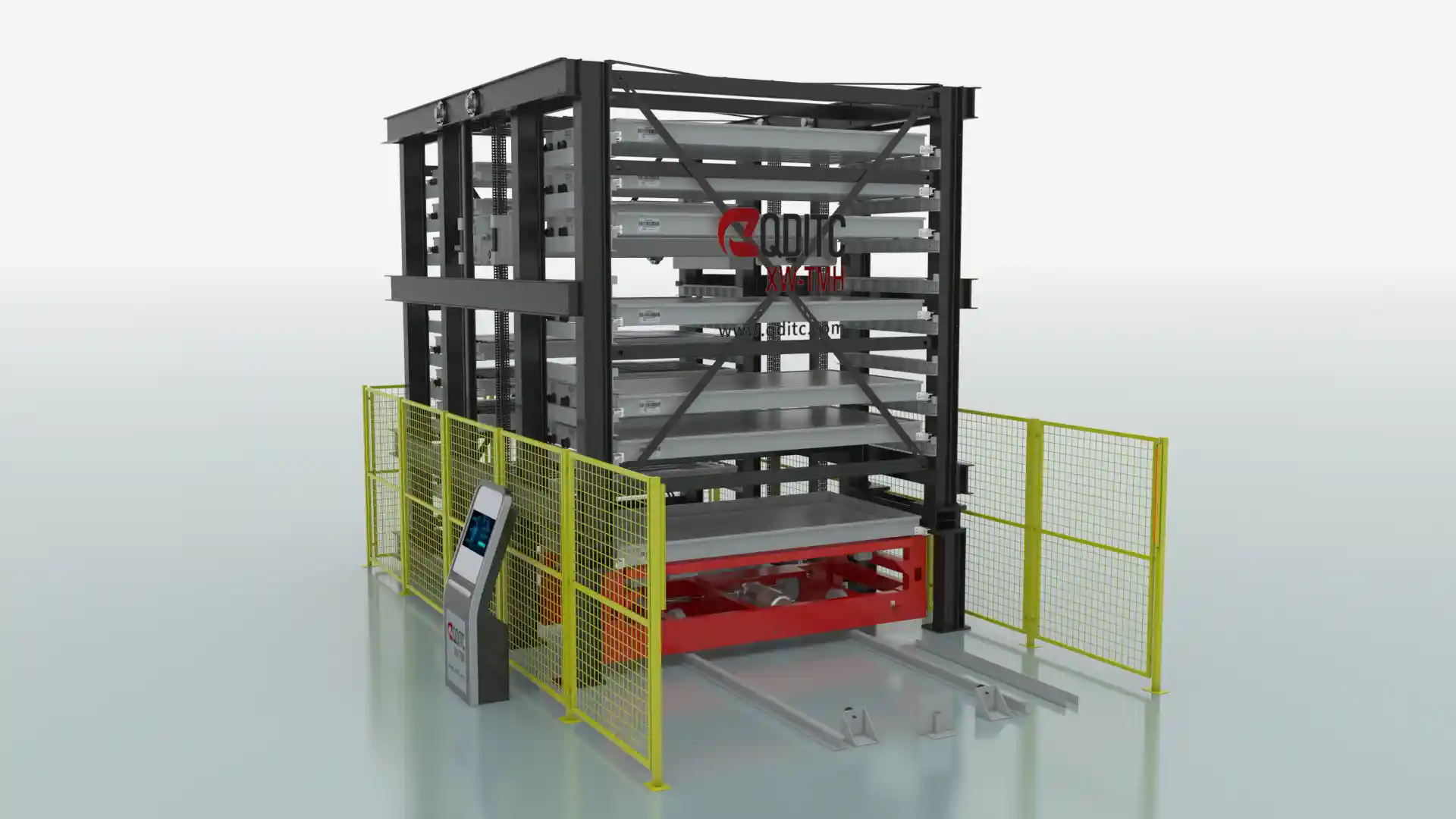
Vertical lift modules (VLM): Shallow, tall drawers that deliver items at operator height, supporting weights up to 1000 kg per tray. The PG-VLM uses modular wall panels and high-speed operation to serve both small parts and heavy raw materials.

Vertical carousel modules (VCM): Rotating carriers that present items in sequence, ideal for small to medium parts in high-density storage. The FX-VCM model supports a wide range of container sizes and integrates with material information systems for precise inventory tracking.

Horizontal carousel modules (HCM): Circular rotating shelves for space-constrained areas with low ceilings, driven by chain transmission. The FXH-HCM system reaches high throughput with minimal floor space.

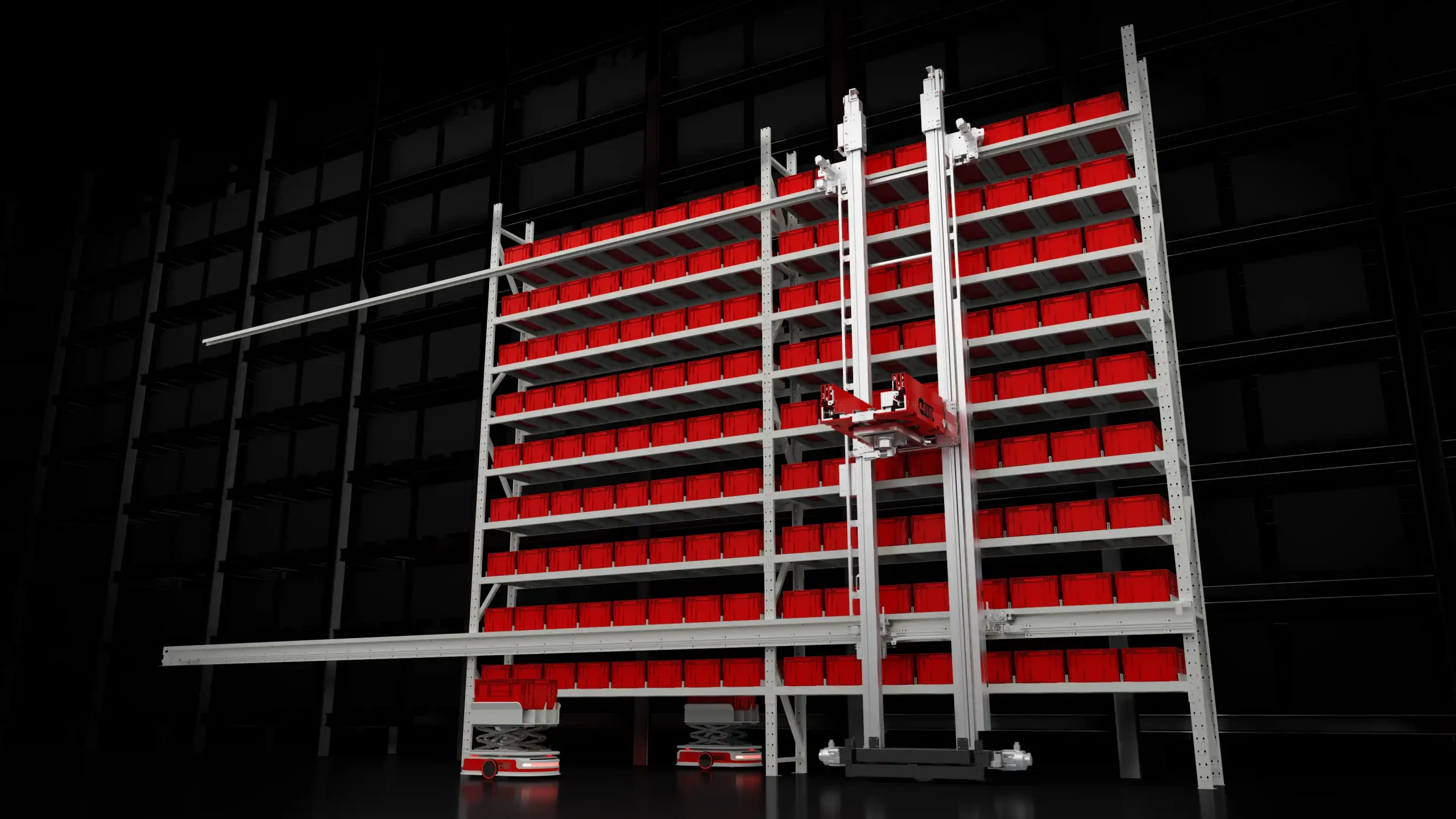
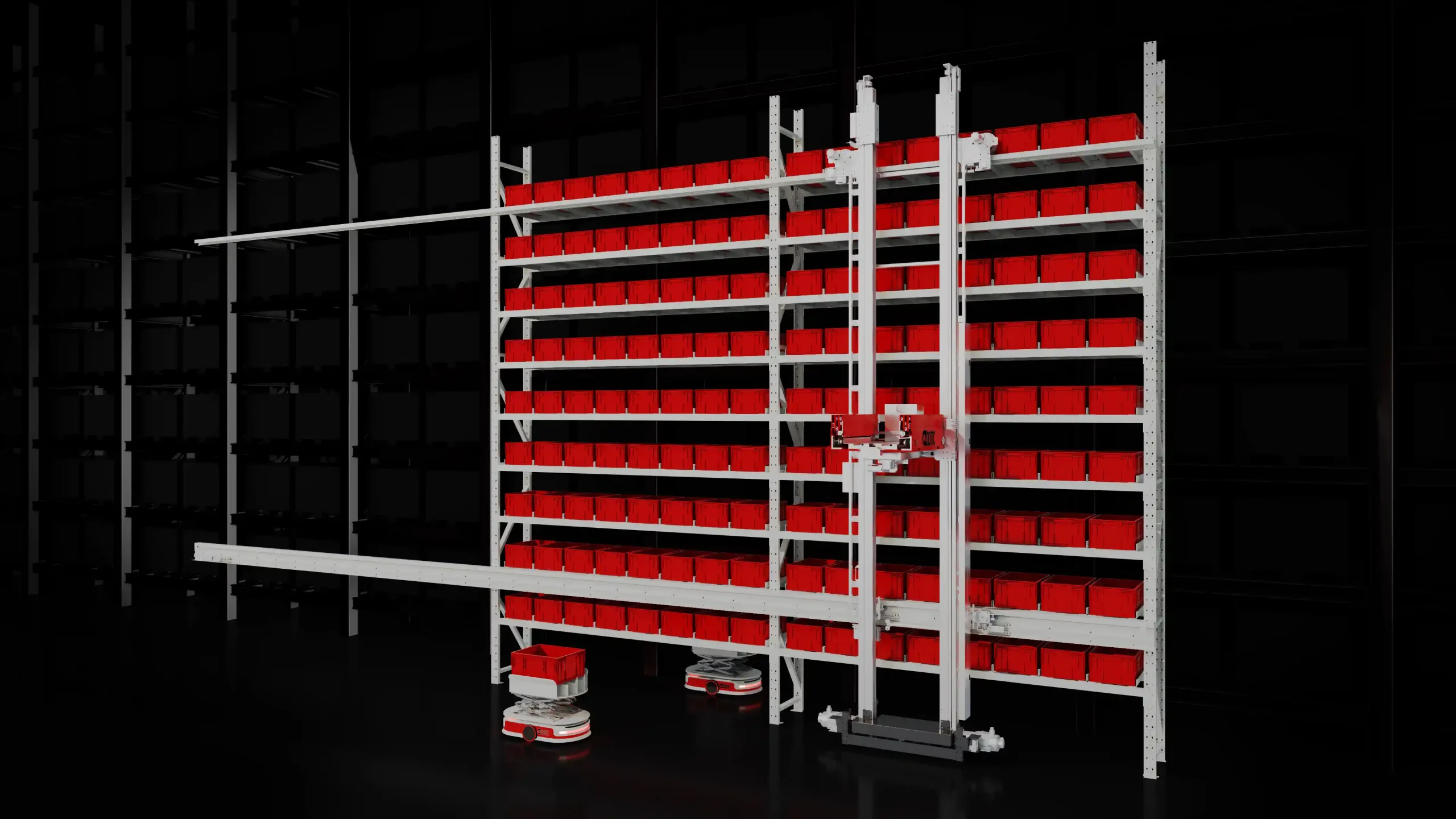
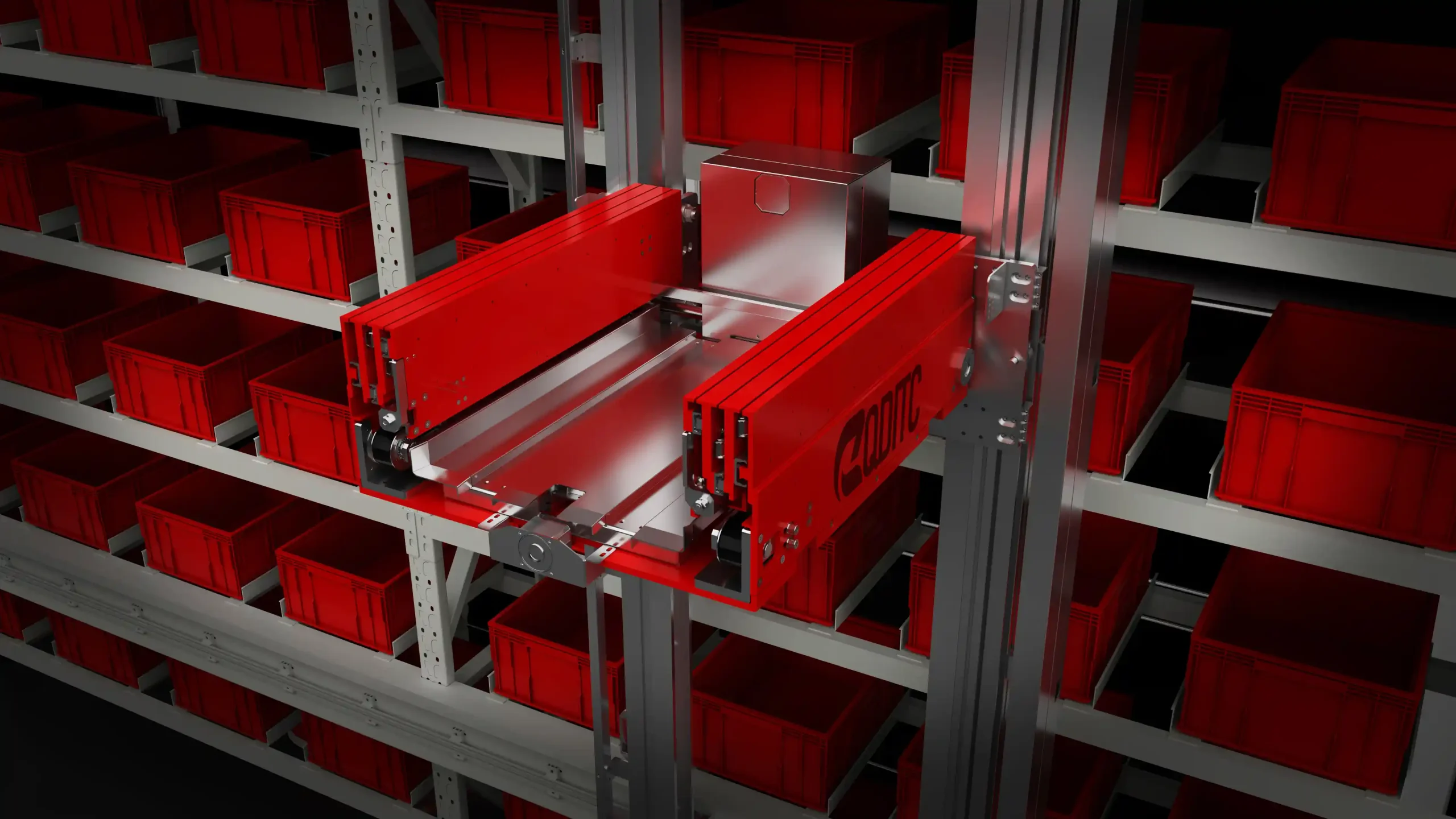
Vertical sort modules (VSM): For operations requiring high-speed single-item access, the SN-VSM moves totes via telescopic forks and supports integration with conveyors and AGVs.

Mini-load and shuttle systems: For rapid bin retrieval at scale, the SmartLoad-RackBot from QDITC achieves double the speed of conventional mini-loads with 35% of the energy consumption and a smaller tunnel footprint.

Each technology addresses a different throughput and density requirement, and the most effective deployments often combine systems—a VLM for bulk storage behind a row of VSM for fast-moving items, for instance.

HCM-1

TechnologyMax Load per CarrierBest ApplicationFootprint EfficiencyThroughput (picks/hr)
Vertical Lift Module (PG-VLM)Up to 1000 kgHeavy, oversized, or varied itemsHigh vertical density80-150 lines/hr
Vertical Carousel (FX-VCM)300-600 kg per traySmall parts, fasteners, tools, documentsHigh density with fast access100-200 lines/hr
Horizontal Carousel (FXH-HCM)500-800 kg per shelfLow-ceiling environments, bulk small partsHigh floor density, low height60-120 lines/hr
Vertical Sort Module (SN-VSM)50-100 kg per toteHigh-SKU retail, e-commerce pick-and-placeOptimized for picking stations200-400 picks/hr
SmartLoad-RackBot50-200 kg per binMini-load replacement, high-throughput binsUltra-compact, open API200+ bins/hr

If your project involves handling both bulk pallet orders and individual e-commerce picks from the same facility, selecting the right combination of systems is critical to preventing downstream integration headaches. Our application engineers can model your order profile and recommend a matched system set: send your daily pick volumes and typical order lines per day to miaocp@qditc.com.

Matching Automated Storage Technologies to Your Product Profile

The selection of automated storage technology begins with a detailed inventory profile: item dimensions, weight, turnover velocity, and storage media (totes, bins, pallets, long bars). Getting this mapping right avoids the most common failure mode in automation projects—a system that stores efficiently but retrieves inefficiently.

For operations with a high mix of small, fast-moving SKUs, vertical carousels and sort modules excel. A single FX-VCM installation can consolidate hundreds of bin locations into a compact footprint, cutting worker walk time by over 70%. When the product mix includes heavier machined parts or reels of raw material, the PG-VLM is the appropriate choice. Its tray capacity of 1000 kg makes it suitable for line-side replenishment in manufacturing, while the vertical orientation saves valuable floor area.

Horizontal carousels meet a specific niche: facilities with height restrictions, such as retail stockrooms or basement storage areas. The FXH-HCM model uses chain-driven rotation and can be configured in multiple layers to maximize cubic density under low ceilings. These systems integrate with pick-to-light and voice-directed picking for throughput consistency.

In many of our deployments, the optimal solution involves tiered storage: a VLM for infrequent medium-to-heavy items, vertical carousels for high-runner components, and a vertical sort module as the pick-to-order gateway. Software integration is the layer that ties these together.

RACKBOT 1

Integrating Automated Storage with Warehouse Management Software

Hardware alone cannot deliver scalable order fulfillment. The brains of the operation are the warehouse management system (WMS) and warehouse control system (WCS). A modern WMS feeds orders to the WCS, which coordinates the retrieval sequence across multiple machines to minimize picker waiting time and optimize item grouping. Without real-time communication between inventory data and equipment, even advanced ASRS will operate at a fraction of its potential.

QDITC’s automation platforms, including SmartLoad-RackBot, feature open API interfaces that simplify integration with existing ERP and WMS software. This openness is essential for operations that cannot afford a wholesale software replacement. Our WMS modules provide order batching, inventory accuracy reporting, and real-time status dashboards. In projects where we have retrofitted automated storage into legacy WMS environments, the API layer reduced integration time by roughly half compared to proprietary protocols.

The goal is not just to retrieve parts faster, but to synchronize material flow with order demand in near real time. When connected to an e-commerce platform, the system can prioritize same-day shipments and allocate inventory dynamically across wholesale and direct-to-consumer orders from a single pool.

gq-smartload3

Cost Justification and Return on Investment

Financial decision-makers evaluate automated storage on three criteria: capital outlay, operational savings, and payback period. While the upfront cost of a full ASRS deployment can exceed the equivalent pallet rack and shelving budget by a factor of two to four, the operational returns typically recoup the difference within 18 to 36 months.

The savings come from multiple directions. Floor space reduction is the most immediate: a vertical lift module can compress the same inventory stored in 500 square meters of static rack into a 30-square-meter footprint, freeing square footage for value-added activities or deferring facility expansion. Labor productivity gains follow: pickers who previously walked 8 to 12 kilometers per shift now remain stationary, handling 2 to 3 times the number of order lines per hour. Error reduction provides a less visible but equally significant financial benefit—return processing and reshipping costs drop by 60 to 80 percent in operations we have monitored after automating.

A practical ROI model for wholesale and e-commerce should factor in order accuracy improvement, the cost of labor churn during peak seasons, and the opportunity cost of delayed shipments. One underappreciated variable is the ability to absorb growth without adding headcount; an automated system that runs at 60% capacity today can handle a 60% volume increase with minimal additional operating cost.

Steps to Deploy Automated Storage in an Existing Facility

Implementation of automated storage does not require a greenfield site. Most existing warehouses can be retrofitted with modular systems, provided the deployment follows a structured sequence.

  1. Operational audit and data collection: Gather 12 months of order data, SKU dimensions, peak season throughput, and labor allocation. The more granular the data, the more precise the system sizing.

  2. Solution design and simulation: Work with the equipment manufacturer to create a digital twin of the proposed layout. Simulate peak-hour demand to validate throughput rates and identify potential pinch points.

  3. Facility preparation: This may involve floor leveling, power supply upgrades, and network cabling. For vertical systems, roof height and mezzanine clearance must be confirmed.

  4. Equipment manufacturing and staging: Modular systems can be partially assembled off-site, reducing on-site disruption. QDITC’s SmartLoad-RackBot is delivered in pre-configured segments that allow rapid installation.

  5. Installation and commissioning: Physical setup, motor calibration, and safety testing typically require two to four weeks for a medium-sized deployment. Software integration runs in parallel with mechanical commissioning.

  6. Operator training and ramp-up: Employees transition from walkers to machine operators. Training covers pick station workflows, inventory replenishment procedures, and basic fault recovery.

  7. Continuous improvement: After go-live, monitor system metrics against baseline data. Fine-tune order batching rules, slotting logic, and machine-to-picker ratios based on actual usage patterns.

Scaling wholesale and e-commerce fulfillment with manual methods eventually hits a wall. Automated storage systems convert that wall into a ramp: once the initial investment is in place, growth becomes a matter of adding capacity modules rather than expanding floor space and workforce linearly. At Anhui Qiande Intelligent Technology Co., Ltd., we bring 15 years of industrial storage equipment experience to every project, from system selection through after-sales training. To start a feasibility study for your facility, send your storage requirements and a floor plan sketch to miaocp@qditc.com, or call +86 15262759399 to speak with an applications engineer.

Common Questions When Scaling with Automated Storage Systems

How long does an automated storage system take to install?

Installation duration depends on system scope and site readiness. A single vertical carousel or lift module can be operational within two to three weeks from delivery, including mezzanine construction if required. Full facility deployments that combine multiple systems and software integration typically span six to eight weeks from equipment arrival. Pre-installation floor preparation and power routing can be completed beforehand to compress the on-site timeline.

Doesn’t automation eliminate warehouse jobs?

Automation changes job profiles rather than eliminating roles. Walkers and manual pickers become machine operators and inventory controllers. In operations we have supported, headcount often remains similar but throughput doubles, which raises output per employee. The more significant impact is on seasonal labor: automated systems reduce the need to hire, train, and manage large temporary crews during peak periods, lowering administrative burden and quality risk.

Can automated storage handle both wholesale bulk orders and individual e-commerce picks simultaneously?

Yes, with the right system mix. A VLM can stage full trays for bulk replenishment while a vertical sort module handles single-item picks from totes. The WCS queues and prioritizes tasks so that bulk picks do not block e-commerce lines. If your facility ships both pallet quantities and parcel shipments, we typically design separate material flow paths that converge at a shared packing area.

What hidden costs should I budget for beyond equipment?

Beyond the hardware, plan for site modifications (floor leveling, power, data cabling), initial software licensing or integration fees, operator training, and a maintenance contract. The largest hidden cost is often under-designing for future growth; adding a second vertical lift module later is more expensive than integrating expansion capacity upfront. A thorough audit before design captures these factors.

How do we determine the right technology mix for our product range?

The technology mix is driven by item size, weight, turnover velocity, and storage media. We perform a storage profile analysis using your ERP export data, then map items to candidate technologies based on retrieval frequency and cubic constraints. For a distribution center with thousands of small SKUs and a few heavy slower movers, a typical configuration pairs vertical carousels for fast items with a VLM for high-density storage of heavy parts. To receive a configuration recommendation based on your actual product profiles and order data, submit your item master data and current pick rate metrics to miaocp@qditc.com.

If you’re interested, check out these related articles:

Vertical vs Horizontal Carousels: Optimizing Warehouse Automation
Vertical Sort Modules: Cutting Pick Errors in Retail Distribution
How QDITC Designs End-to-End ASRS Solutions for Warehouses
WCS vs WMS: Essential Differences for Warehouse Managers


Vertical Warehouse Storage: How to Maximize Floor Space ROI

Warehouse floor space is one of the largest fixed costs in logistics, and every square meter counts. Vertical warehouse storage converts unused overhead space into productive capacity, directly improving floor space ROI. But peak returns emerge only when vertical systems connect with digital inventory control and optimized material flow. We have observed in implementation projects that a vertical lift module or carousel boosts density, yet the ROI multiple accelerates when the system ties into WCS and WMS for real-time tracking and directed putaway. This article lays out how to calculate that ROI, compare storage types, and plan an integration that delivers sustained throughput gains.

How Does Vertical Warehouse Storage Increase Floor Space ROI?

A floor-level pallet rack consumes ground area without using the volume above it. Vertical warehouse storage changes the equation by stacking inventory upward and retrieving items through enclosed, motor-driven carriers. The effect on real estate cost is direct: you store the same SKU count in a fraction of the floor footprint.

gq-smartload3

Cube utilization moves from a typical 15 to 25 percent in static shelving to over 60 percent in a well-designed vertical system. That frees floor space for value-added operations or eliminates the need to lease additional square footage. We see facilities reduce their storage area by half or more when moving fast-moving small parts into a vertical carousel module. The freed floor may be reallocated to packing stations or quality inspection zones, each of which contributes to revenue.

What Space Savings Can You Expect from Going Vertical?

The exact reduction depends on ceiling height and existing rack layout. In a facility with 6-meter clear height, a vertical lift module often shrinks the storage footprint for thousands of SKUs to a single bay that occupies under 30 square meters on the floor. For high-SKU, low-quantity inventories, the gain is even sharper because static shelving wastes aisle space for every row.

How Does Vertical Storage Reduce Picking Labor?

When a picker walks long aisles to retrieve items, roughly 60 percent of their time goes to travel. A goods-to-person vertical system brings the item to the operator, so that walking time drops to near zero. Fewer steps per pick increases lines per hour. Combined with a pick-to-light interface, error rates also fall, which lowers the cost of returns and rework. These labor savings often represent the largest single line item in the ROI calculation.

Which Vertical Storage System Fits Your Operation?

Selecting the right equipment starts with understanding the physical characteristics of your inventory, the throughput you need, and the building constraints you have to work within. The table below maps common vertical storage types to their best-fit applications.

System TypeBest ApplicationMax Load per UnitQDITC Model
Vertical Lift ModuleHeavy items, molds, raw materialsUp to 1000 kg per trayPG-VLM
Vertical Carousel ModuleFasteners, small parts, documentsVaries by carrier sizeFX-VCM
Horizontal Carousel ModuleHeight-limited dense storageVaries by shelfFXH-HCM
Vertical Sort ModuleOrder picking, turnover boxesVaries by binSN-VSM
TowerMatPallets, oversized irregular itemsHeavy-dutyTowerMat
SmartLoad RackBotHigh-density, low-energy, fast accessVariesSmartLoad-RackBot

VCM2

How Do You Match System Type to Throughput and Load?

A vertical lift module works well when individual items are heavy and retrieval frequency is moderate. For very high pick rates with lightweight items, a vertical carousel or sort module may deliver more transactions per hour. Overhead clearance and pit depth also determine which machine fits. Share ceiling height, floor loading, and the dimensions of your heaviest single item with the manufacturer early. These three data points eliminate most unsuitable models.

If your facility requires cleanroom-compatible storage or handles oversized parts that weigh over 500 kg per unit, the system selection becomes more specific. Confirming material compatibility and sealing options avoids a mismatched installation. Reach out at miaocp@qditc.com to discuss your conditions before finalizing a specification.

What Are the Key Differences Between VLM and VCM?

A VLM stores trays stacked in a vertical column and retrieves them with an internal extractor. It handles weight well and can present items at an ergonomic height. A VCM rotates entire carriers in a loop, offering faster access to multiple stored locations in sequence. For small, uniform items the carousel often costs less and operates at higher speed. The VLM excels when tray weight or item size varies widely.

How Do You Calculate the Full ROI of Vertical Storage?

A full ROI model includes space, labor, inventory accuracy, and energy. Staring only at square meters saved understates the return.

RACKBOT

Start with real estate. Divide annual rent or operating cost per square meter by the number of storage locations you currently have. That gives a storage cost per location. Multiply by the number of locations a vertical system reclaims through vertical expansion. The result is a direct space-based saving.

Then add labor. Measure current picks per hour and multiply by loaded labor rate per hour. After converting to goods-to-person retrieval, the same workforce typically handles 2 to 4 times the picks. Faster order processing translates into reduced overtime or the ability to absorb volume growth without adding headcount.

How Do Pick Errors Contribute to ROI?

Every mis-pick generates a return, a replacement shipment, and often a lost customer. Reducing pick error rates from 99 percent to 99.9 percent may sound marginal, but at 10,000 lines per day, that move saves 90 errors. When a single return costs 25 dollars in labor and shipping, the monthly saving is significant. Vertical storage systems with integrated pick-to-light or scan confirmation hold error rates at or below 0.1 percent.

What Is a Typical Payback Period?

Payback fluctuates with labor rates and inventory profiles. Many high-mix operations see full payback in 18 to 30 months. Operations with three-shift picking can recover costs in 12 to 18 months because labor savings accumulate faster. The SmartLoad RackBot, for instance, reduces energy consumption to less than 35 percent of a traditional mini-load, cutting utility cost alongside labor.

What Does Digital Integration Add to Vertical Storage ROI?

Connecting the vertical storage system to a warehouse management system and a warehouse control system turns it from a standalone cabinet into a node in a digital material flow.

HCM-1

When the WMS knows exact bin locations and quantities in real time, it can direct putaway to the nearest open slot and sequence retrievals to batch picks efficiently. The WCS handles the millisecond-level commands that control motor movements and ensures the right tray arrives at the pick station just as the operator finishes the previous item. This synchronization eliminates idle time at the machine.

Which WMS Features Are Needed for Vertical Storage?

Slotting optimization and dual-cycle operation matter most. Slotting places high-velocity items near the access point, cutting average retrieval time. Dual-cycle commands pair a putaway with a pick in one machine movement, doubling throughput per cycle. If your current WMS does not support these, the productivity gain from an upgraded software stack often rivals the gain from the hardware itself.

How Does Real-Time Inventory Visibility Reduce Stock-Outs?

Stock-outs stop production lines and delay customer shipments. When inventory counts update instantly after each transaction, the risk of a line stoppage because the system thinks a part is available when it is not drops dramatically. Coupled with minimum-stock alerts, the WMS triggers replenishment before the shelf empties. This kind of integration shifts inventory management from reactive search to proactive control.

Ready to Start Your Vertical Warehouse Storage ROI Assessment?

Every facility has its own ceiling height, floor load rating, and SKU profile. An ROI calculation that ignores these site-specific factors will be misleading. A site survey that captures actual dimensions, electrical supply, and fire safety clearance removes guesswork and produces an investment plan you can take to finance with confidence.

Share your top 50 SKU dimensions, daily pick volumes, and facility ceiling height to begin a no-obligation ROI analysis for vertical warehouse storage. Email miaocp@qditc.com or call +86 15262759399 to schedule a technical review with our engineering team.

What Do Operations Managers Ask About Vertical Storage ROI?

How long does it take for a vertical storage system to break even?

Most operations reach break-even in 18 to 30 months when labor savings and space reclamation are both counted. Facilities that run multiple shifts or that currently pay high rent per square meter often see faster payback. Integrating the hardware with a modern WMS shortens the time further because software-driven batch picking raises throughput without adding labor.

Can vertical storage handle high-mix, low-volume parts?

Yes. That is one of the strongest use cases. A vertical lift module stores hundreds of different part numbers in a single bay, and the software tracks each tray location precisely. When an order calls for 30 different line items, the machine presents them in sequence without the operator walking aisles. The result is a dramatic reduction in search time and mis-picks.

What prevents a vertical storage installation from fitting my building?

Ceiling height, floor slab strength, and available power are the three main constraints. Most vertical systems require a minimum clear height of about 4 meters, though taller machines use more cube. Floor loading must support the full weight of the machine plus stored inventory. A pre-installation site survey catches these factors before equipment is ordered. If your program involves a high-mix parts inventory, the ROI often appears first in reduced search time and fewer mis-picks. Share your top 50 SKUs and throughput requirements to determine whether vertical storage fits your operation.

If you’re interested, check out these related articles:

ASRS Maintenance Schedule: Peak Performance & System Longevity
ASRS for Pharma Cleanroom Storage: GMP & FDA Compliance
QDITC ASRS Case Study: 3,000 sqm Factory Transformed in 90 Days
ASRS Solutions for China Manufacturing: Factory Pricing & Integration Guide
ASRS for E-Commerce: Boosting High-Volume Order Picking Efficiency