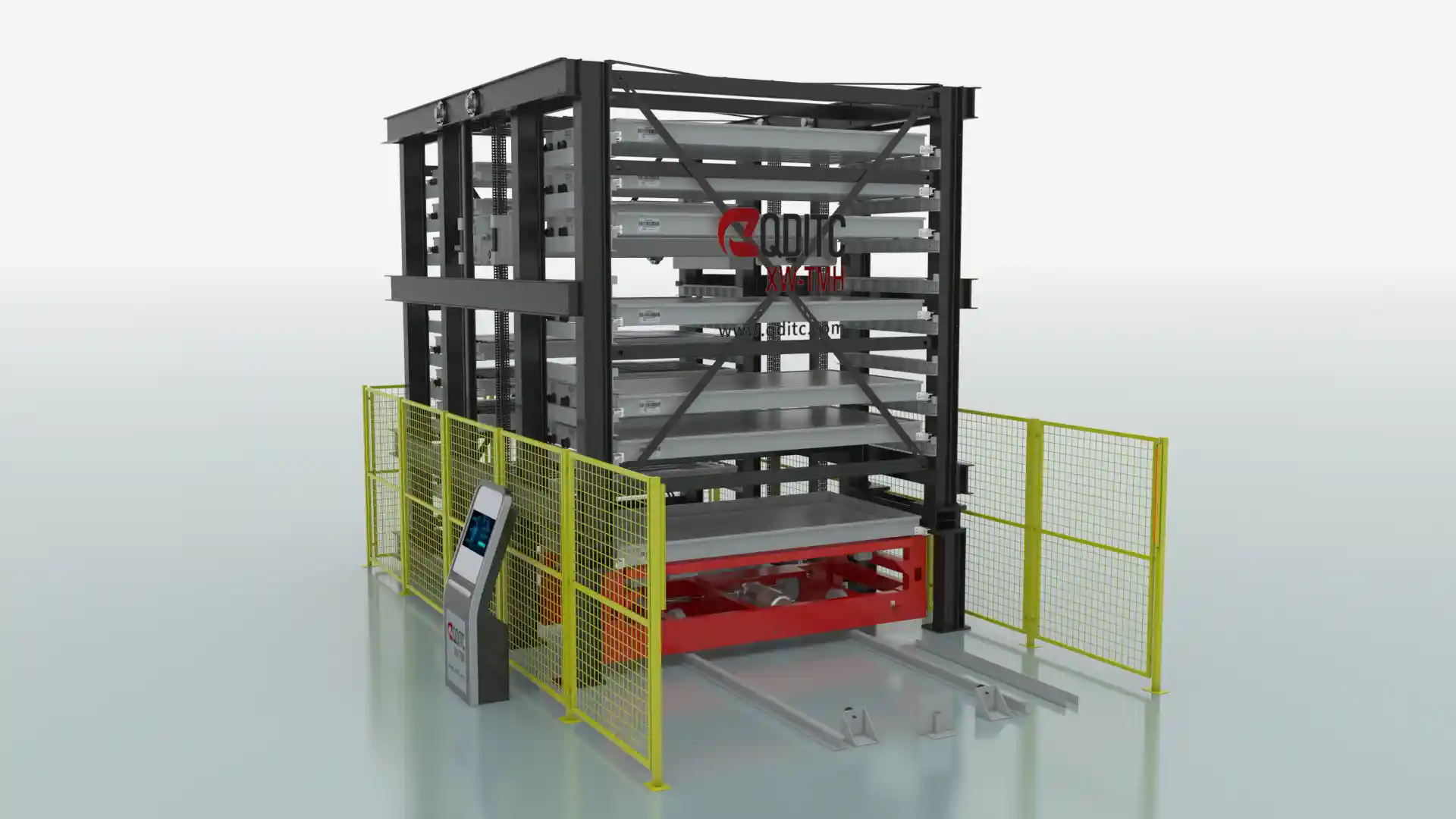
Vertical Sort Module: Intelligent Automation for Modern Warehouses

Modern warehouses run on speed. Orders need to move faster, accuracy has to stay tight, and labor costs keep climbing. Manual sorting still works, but it struggles to keep pace when volumes spike. That’s where vertical sort modules come in — automated systems built to handle the sorting load with precision that human hands can’t match consistently.

What Makes Vertical Sort Modules Different from Standard Sorting Systems

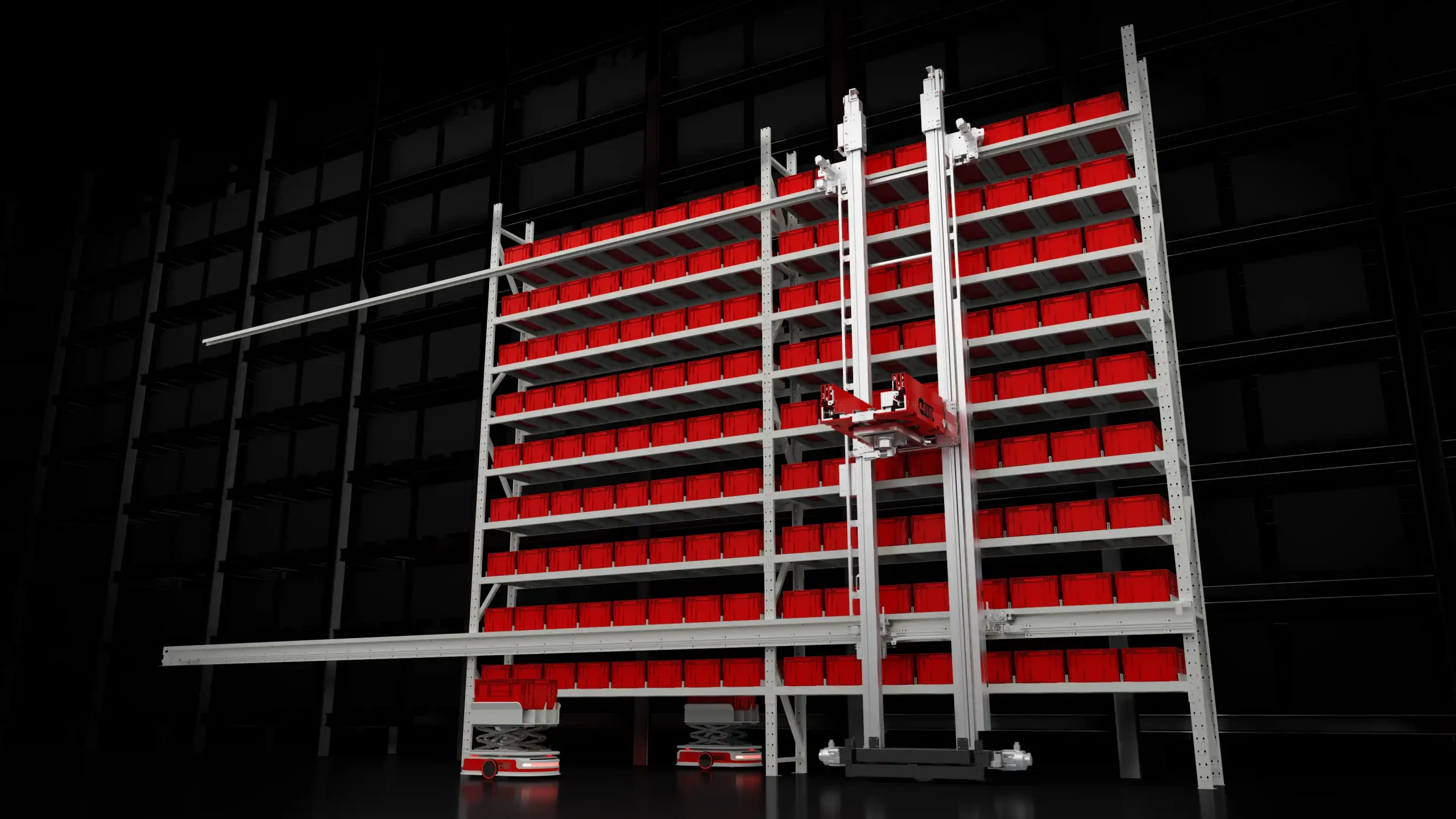
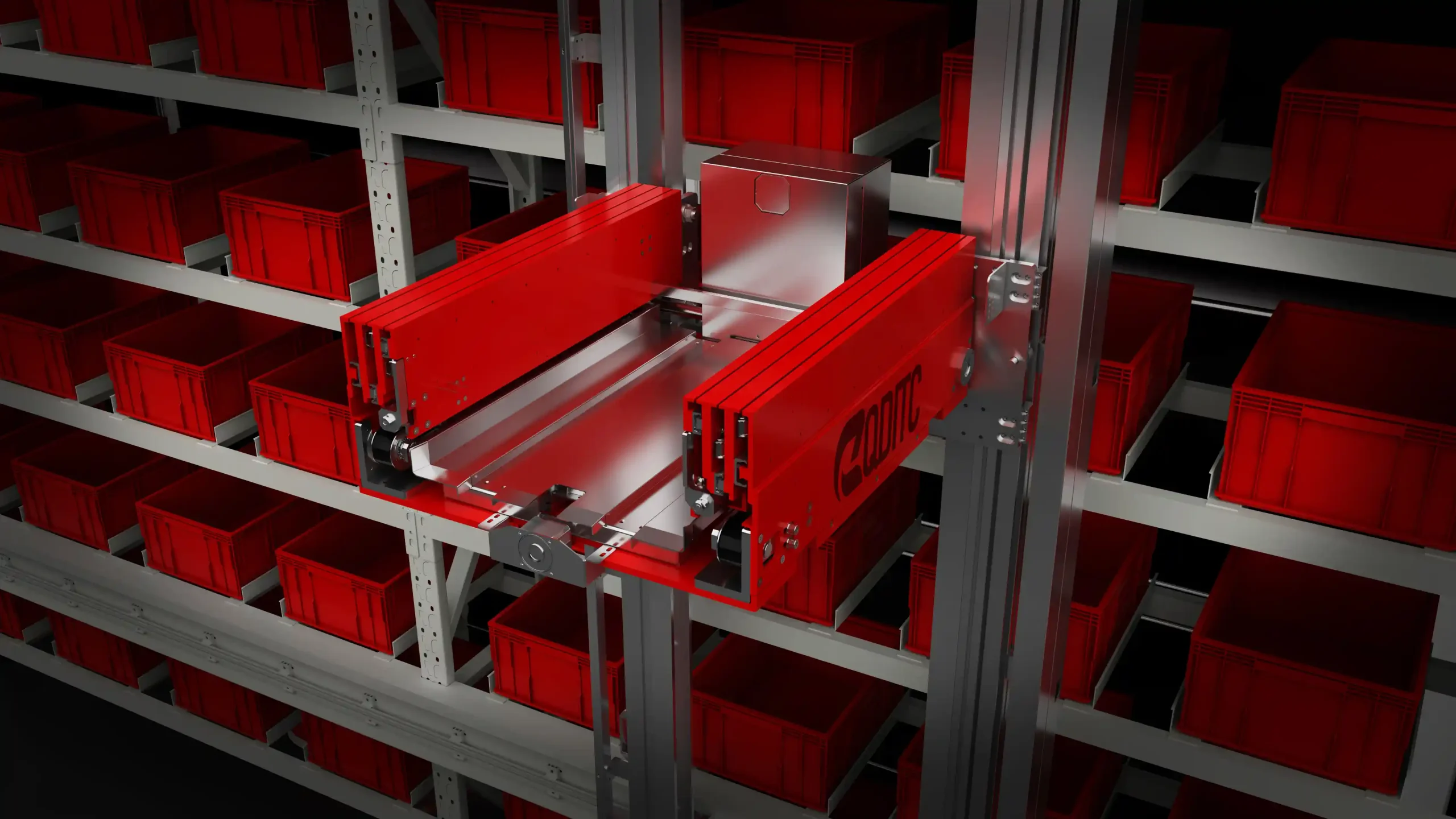
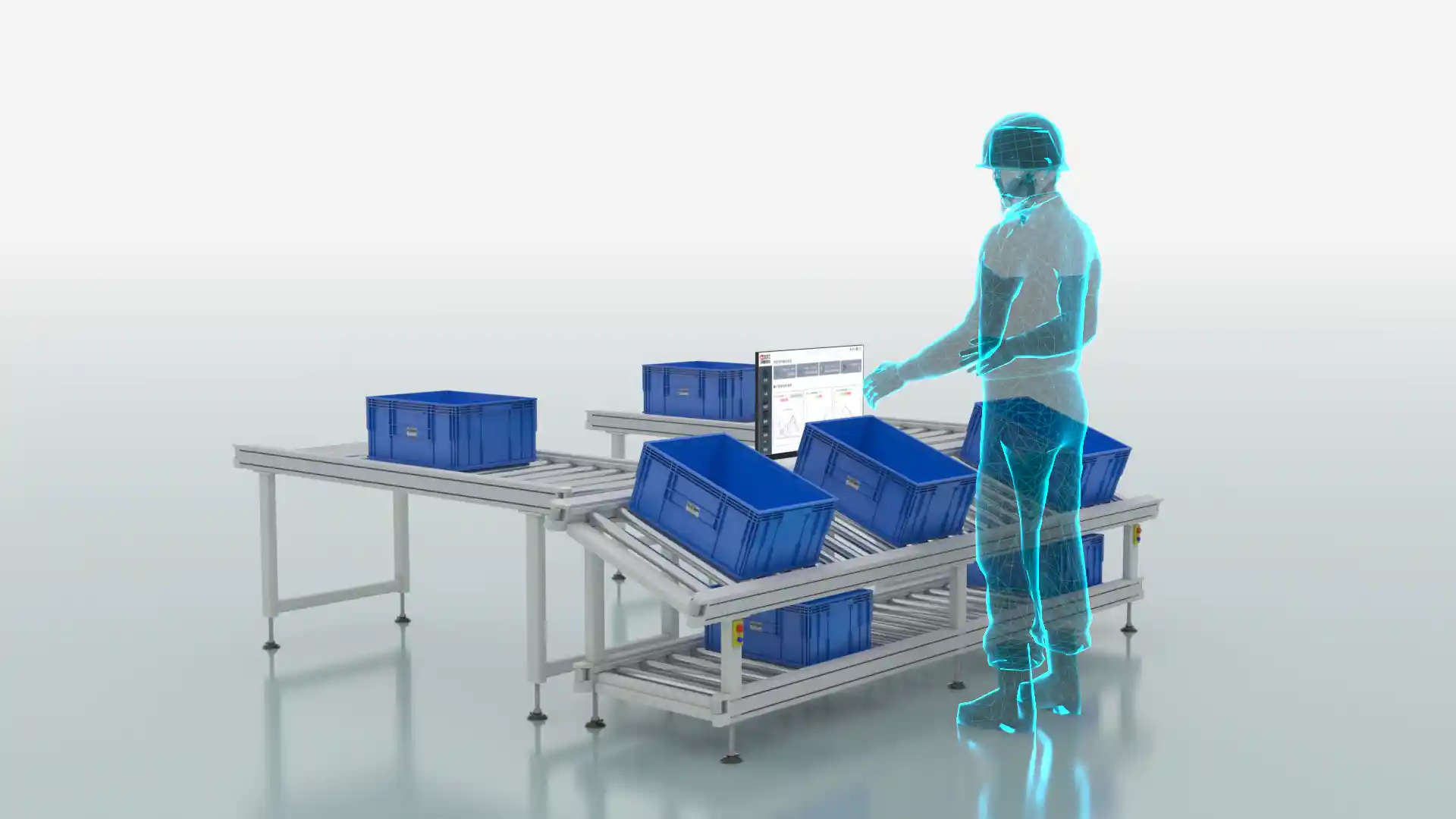
Vertical sort modules take a different approach to moving goods through a warehouse. Instead of spreading operations across floor space, these systems work vertically, using supports on both sides to secure material boxes while telescopic forks handle storage and retrieval automatically. The SN-VSM vertical sort module operates this way, pulling items in and pushing them out without waiting for a human operator to intervene.

The difference shows up in the numbers. Manual sorting processes often produce error rates above 5%, which compounds into mis-shipments, returns, and frustrated customers. Vertical sort modules cut that down dramatically. E-commerce operations feel this pressure most acutely — customers expect two-day delivery as standard, and sorting bottlenecks can derail the entire fulfillment chain.

Mechanisms Behind Throughput Gains

Vertical sort modules improve warehouse throughput through specific design choices rather than generic automation claims.

  1. Single-item access functions allow the system to retrieve individual items precisely, avoiding the delays that come from batch processing.
  2. Integration with AGVs and conveyors creates continuous material flow — goods move from receiving to sorting to shipping without manual handoffs breaking the chain.
  3. Scalable specifications mean the same technology works in a small distribution center or a massive fulfillment hub.
  4. Combined vertical and horizontal movement reduces travel time per cycle, which adds up across thousands of daily operations.

Why Automated Vertical Sorting Changes the Economics of Logistics

The business case for automated vertical sorting comes down to three factors: labor, accuracy, and speed. Each one affects the bottom line directly.

Labor costs represent the largest variable expense in most warehouse operations. Vertical sort modules reduce the number of workers needed for sorting tasks, freeing those employees for work that requires judgment rather than repetition. The savings compound over time as wages rise and hiring becomes more competitive.

Accuracy improvements eliminate hidden costs. Every mis-sorted item generates downstream expenses — customer service calls, return shipping, restocking labor, and potential lost customers. Automated systems maintain near-perfect accuracy because they don’t get tired, distracted, or rushed.

Speed determines how many orders a facility can process daily. High-speed sorting capabilities push throughput higher without requiring proportional increases in space or staff.

FeatureManual SortingAutomated Sorting with Vertical Sort Module
CostHigh ongoing laborLower operational costs, strong long-term ROI
SpeedLimited by human paceHigh-speed automated cycles
AccuracyModerate, typically 5%+ error rateHigh, approaching 100%
ScalabilityDifficult and expensiveModular and adaptable
Space UseHorizontal sprawlVertical density

Planning the Integration of Vertical Sort Modules

Installing a vertical sort module isn’t plug-and-play. The technology works best when integration planning happens before equipment arrives.

Warehouse management system compatibility matters most. The vertical sort module’s control system needs to exchange data with existing WMS software — task assignments flow in, completion confirmations flow out. Without this connection, the automation operates in isolation rather than as part of a coordinated system.

Physical infrastructure requires attention too. Conveyor connections must align precisely for goods to flow smoothly into and out of the module. Power supply and network connectivity need to handle the load without interruptions. The warehouse structure itself must support the module’s weight, especially when vertical installations reach significant heights.

Safety protocols deserve careful thought. Automated equipment moving at speed creates different hazards than manual operations. Integrating safety systems ensures workers can operate alongside the technology without increased risk.
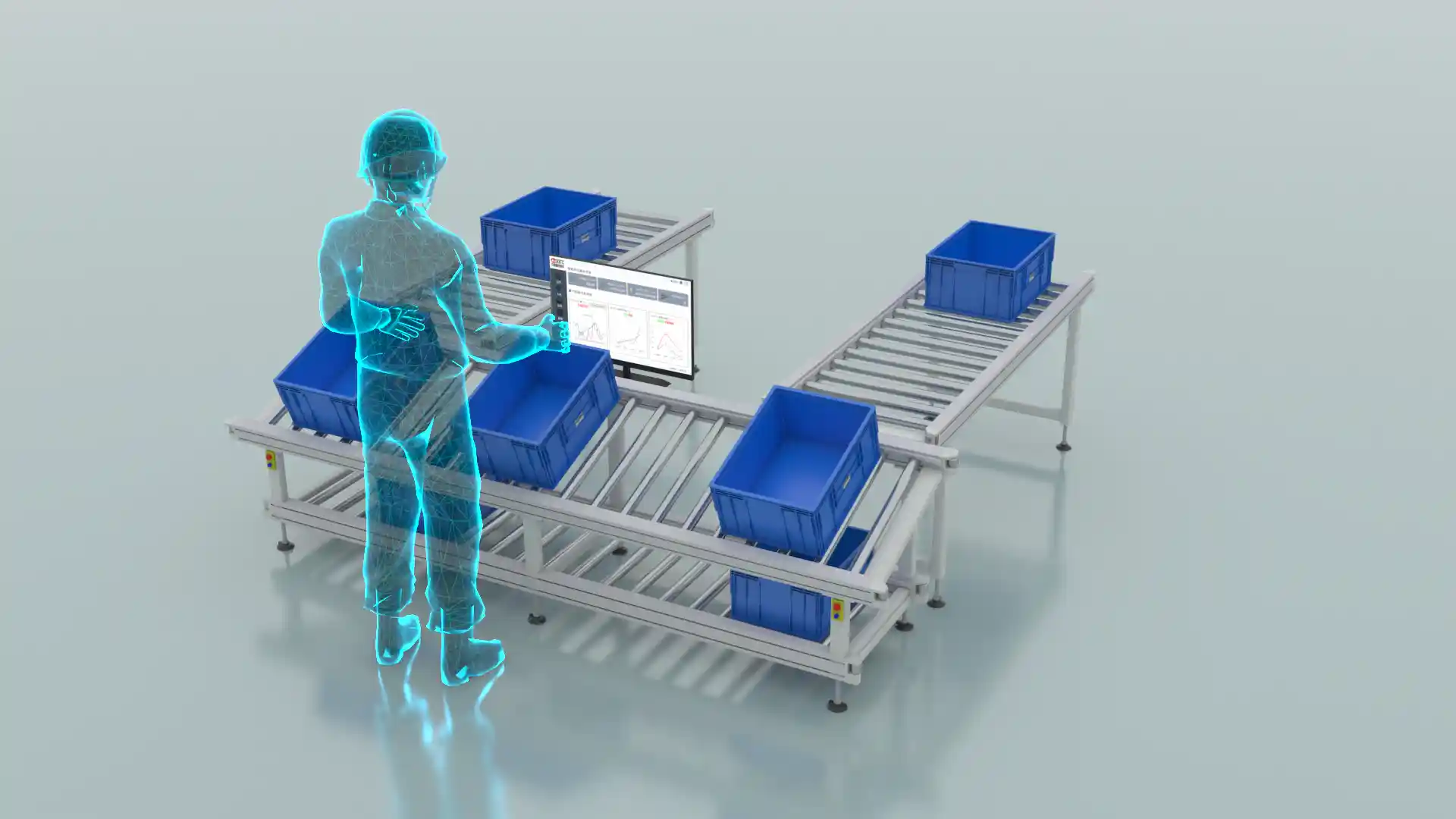
PICKUPSTATION1

Vertical Sortation and the Space Problem

Warehouse space costs money — whether through rent, construction, or opportunity cost. Every square foot dedicated to sorting is a square foot not available for storage or other operations.

Vertical sort modules address this constraint directly. By building upward rather than outward, these systems achieve high-density sorting within a compact footprint. A vertical sort module might occupy the same floor space as a small manual sorting station while processing significantly higher volumes.

This matters especially for cross-docking operations and parcel sortation, where goods need to move through quickly without accumulating in staging areas. The vertical approach keeps floor space clear for the next wave of incoming shipments.

Where Intelligent Sorting Technology Is Heading

The automation market continues expanding because the problems it solves aren’t going away. Labor availability fluctuates, customer expectations keep rising, and supply chains face pressure to move faster with fewer errors.

Vertical sort modules fit into this trajectory. The SN-VSM design includes open API interfaces that allow integration with various automation devices — a practical feature when warehouses add robotics, AI-driven optimization, or new conveyor systems over time. Modular construction means capacity can grow without replacing the entire system.

The technology isn’t static. Each generation of intelligent sorting systems handles more product types, processes faster, and integrates more seamlessly with surrounding equipment.

Comparing Vertical Sort Modules to Traditional Sorting Approaches

The comparison between vertical sort modules and traditional sorting methods reveals clear differences across multiple dimensions.

AspectTraditional SortingVertical Sort Module
Space UseRequires extensive floor areaCompact vertical footprint
AccuracyProne to human errorHigh, consistent accuracy
SpeedLimited by manual paceHigh-speed automated operation
ScalabilityDifficult and costly to expandModular, easily scalable
IntegrationLimited compatibilityHigh compatibility with WMS and AGV systems
SafetyHigher manual handling risksEnhanced safety features

Traditional sorting still makes sense in some contexts — low volumes, highly variable products, or operations where capital investment isn’t feasible. But for facilities processing significant daily volumes, the vertical sort module offers advantages that compound over time.

Working with Anhui Qiande Intelligent Technology

Anhui Qiande Intelligent Technology Co., Ltd. brings 15 years of experience to storage and material handling challenges. Their team can assess your current operations and identify where vertical sort modules would deliver the strongest returns. Reach out at +86 15262759399 or miaocp@qditc.com to start the conversation.

Frequently Asked Questions About Vertical Sort Modules

Which industries see the strongest results from vertical sort modules?

E-commerce fulfillment centers benefit most directly because they face the combination of high volumes, diverse products, and tight delivery windows that vertical sort modules handle well. Parcel delivery operations, retail distribution centers, and manufacturing facilities with significant parts sorting needs also see strong returns. The common thread is high-volume sorting where speed and accuracy both matter.

What does ongoing maintenance look like for these systems?

Vertical sort modules require less maintenance than their mechanical complexity might suggest. Regular preventative work includes lubrication of moving parts, calibration of sensors, and software updates as manufacturers release improvements. Most facilities schedule this maintenance during planned downtime rather than experiencing unexpected breakdowns. Anhui Qiande offers service plans that cover these needs.

How do vertical sort modules affect warehouse sustainability goals?

The sustainability benefits come from multiple directions. Optimized space utilization means facilities can operate in smaller buildings with lower heating and cooling loads. Efficient motor controls reduce energy consumption compared to older automation approaches. Lower error rates mean less waste from returns and re-shipments. These factors align with broader green logistics objectives without requiring separate sustainability investments.
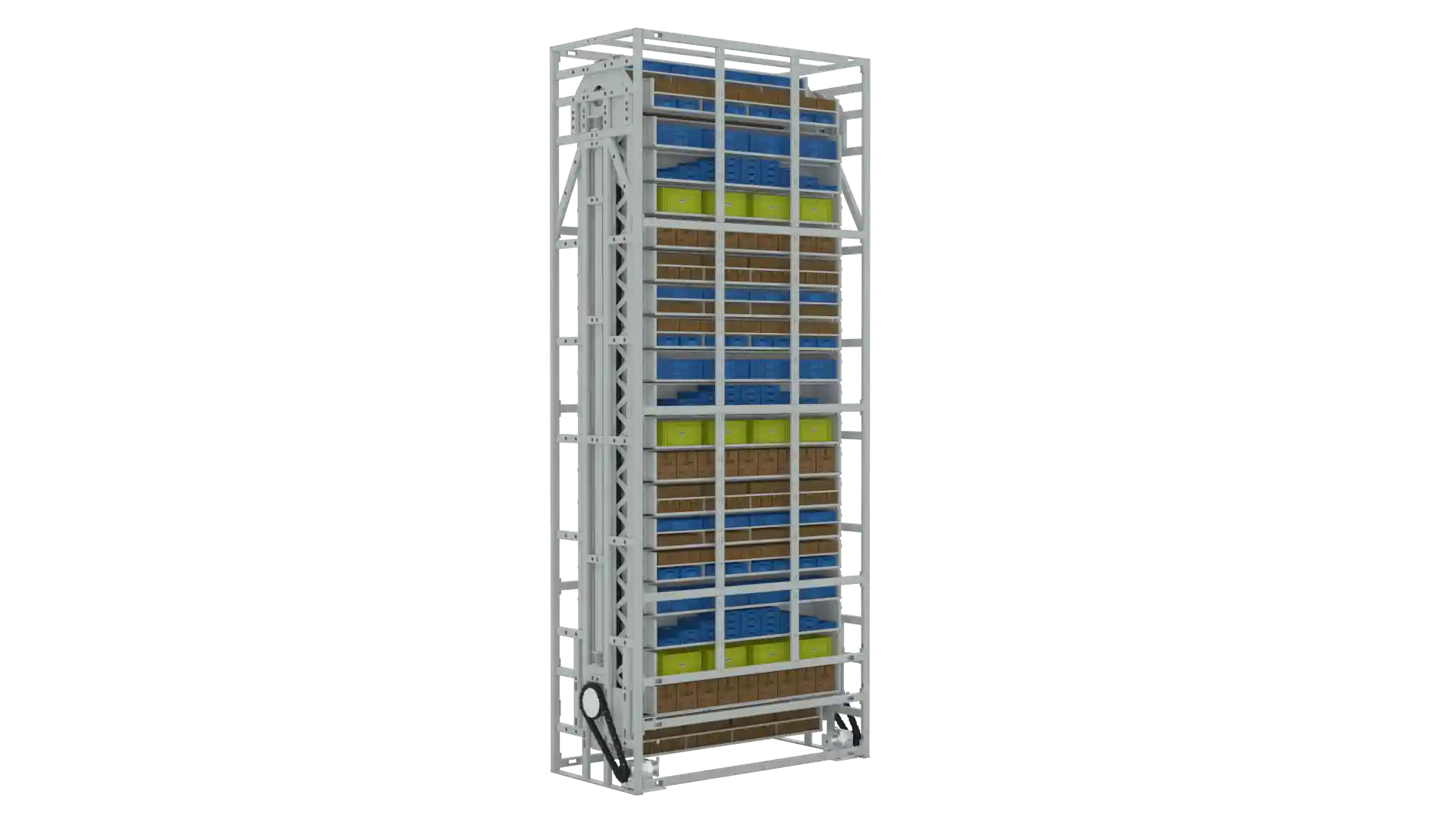
Finding a Reliable Vertical Carousel Storage System Manufacturer

Choosing who builds your vertical carousel storage system shapes everything that follows — how smoothly it integrates, how long it lasts, and whether the investment actually pays off. I’ve seen operations transform with the right equipment and watched others struggle for years with systems that never quite worked as promised. The difference almost always traces back to the manufacturer.

Manufacturer Reliability Shapes Long-Term System Performance

The manufacturer behind a vertical carousel storage system determines far more than initial build quality. A poorly chosen supplier introduces compounding problems: unplanned downtime, escalating maintenance bills, and efficiency losses that erode whatever savings the system was supposed to deliver. Systems from unreliable sources consistently show higher maintenance costs and shorter operational lifespans, which effectively cancels out the original investment rationale.

A dependable manufacturer builds systems that hold up under real warehouse conditions. That translates directly to sustained throughput, predictable maintenance schedules, and the kind of return on investment that justifies the automation decision in the first place.
VCM2

Evaluation Criteria That Actually Matter

Assessing vertical carousel manufacturers requires looking beyond marketing materials. Reputation within the industry, documented quality control processes, and demonstrated technical depth all factor into the decision. After-sales support capabilities deserve particular scrutiny since that’s where many manufacturers fall short once the sale closes.

Installation and integration processes reveal a lot about operational maturity. Manufacturers who have refined these workflows cause fewer disruptions during deployment. Safety features and software integration for carousels also warrant close examination — these elements determine how well the system fits into existing warehouse management infrastructure.

Determining Manufacturer Reliability

Track record, certifications, and customer feedback form the foundation of reliability assessment. A history of successful deployments across similar applications indicates proven capability. ISO certifications, particularly ISO 9001 for quality management, signal systematic commitment to consistent output rather than ad-hoc production practices.

Customer testimonials and detailed case studies provide ground-level validation. They reveal how manufacturers handle complications, support ongoing operations, and respond when things don’t go according to plan.

Experience and Customization Capabilities

Manufacturing experience creates a knowledge base that newer entrants simply cannot replicate. Anhui Qiande brings 15 years of industrial warehousing equipment production to every project. That depth enables accurate solutions for different storage spaces and materials, which matters enormously when standard configurations don’t fit operational realities.

Technical expertise in material handling solutions allows for customizable storage solutions that address specific workflow requirements. Storage space optimization depends on this kind of tailored approach — generic systems rarely deliver maximum efficiency for unique operational contexts.

Verifying Claims Through Due Diligence

Manufacturer claims require practical verification. Factory visits reveal manufacturing processes and quality control measures that brochures cannot convey. Observing production firsthand exposes the gap between stated capabilities and actual practices.

Detailed case studies from past projects illuminate how manufacturers handle complexity and resolve challenges. Warranty terms, technical support availability, and spare parts accessibility all affect long-term operational assurance. Manufacturers who communicate transparently during due diligence typically maintain that standard throughout the relationship.

Practical Verification Steps

Reference checks with existing customers provide unfiltered perspective on system performance and manufacturer responsiveness. Facility audits allow direct inspection of quality assurance protocols. Reviewing past project outcomes, especially those involving complex requirements, demonstrates whether a supplier can deliver on sophisticated commitments.

This supplier verification process separates manufacturers who consistently perform from those who occasionally succeed.
PICKUPSTATION2

Total Cost of Ownership Extends Beyond Purchase Price

Initial purchase price represents only part of what a vertical carousel storage system actually costs. Maintenance requirements for VCs, energy efficiency of storage systems, and software update costs all contribute to total cost of ownership over the system’s operational life.

Strong after-sales support reduces total cost by minimizing downtime and extending useful lifespan. Comprehensive operator training maximizes system utilization and prevents costly user errors. Scalability of storage systems and future-proofing warehouse operations ensure the investment remains valuable as requirements evolve.

Long-Term Investment Returns

Reliable vertical carousel systems deliver sustained benefits: operational cost reduction, increased throughput, and improved inventory accuracy that compounds over years of operation. These warehouse automation benefits stem from optimized space utilization and faster picking speeds.

Durability and efficiency from a dependable manufacturer create competitive advantages that persist throughout the system’s lifespan. The initial investment in quality pays dividends that inferior alternatives cannot match.

The Anhui Qiande Approach

Anhui Qiande Intelligent Technology Co., Ltd. has spent 15 years developing industrial warehousing equipment that performs under demanding conditions. Our focus on customized storage solutions China ensures each system addresses specific operational requirements rather than forcing compromises.

Material handling solutions from our engineering teams provide correct solutions for different storage spaces and materials. This alignment between system design and actual operational needs drives the reliability and problem-solving capability that distinguishes effective automation from disappointing investments.

CriterionAnhui Qiande’s Expertise Alignment
Manufacturer Experience15 years in industrial warehousing
CustomizationCorrect solutions for diverse spaces and materials
Technical ExpertiseAdvanced material handling solutions
Quality ControlAdherence to stringent standards
After-Sales SupportComprehensive and responsive
Software IntegrationSeamless system connectivity

Our product range addresses varied operational scenarios. The FX-VCM: Vertical Carousel Module delivers optimal space utilization and efficient picking across multiple industries. The PG-VLM: Vertical Lift Module handles ultra-long and heavy materials with high-speed operation and substantial storage capacity. For dense automated storage in height-constrained environments, the FXH-HCM: Horizontal Carousel Module uses horizontal rotation to optimize material flow. The SN-VSM: Vertical Sort Module excels at single-item access and integrates smoothly with AGVs and other automated equipment. Our SmartLoad-RackBot demonstrates commitment to cost-effective, energy-efficient, high-speed solutions that reduce implementation cycles and operational costs. Advanced software integration enables intelligent management across all systems.
RACKBOT

Start the Conversation

Anhui Qiande Intelligent Technology Co., Ltd. brings 15 years of industrial warehousing equipment expertise to every vertical carousel storage system project. Reach out at +86 15262759399 or miaocp@qditc.com to discuss your specific requirements and explore solutions built for reliable, long-term performance.

Frequently Asked Questions About Vertical Carousel Manufacturers

How does a manufacturer’s experience impact the reliability of a vertical carousel system?

Extensive experience creates deeper knowledge in design, engineering, and troubleshooting. Anhui Qiande’s 15 years in industrial warehousing translates into more robust vertical carousel systems with fewer operational issues. Experienced manufacturers have encountered and solved problems that newer companies haven’t yet faced, which reduces risk on complex automation projects.

What are the essential certifications to look for in a reliable vertical carousel storage system supplier?

ISO 9001 certification for quality management indicates systematic production processes rather than inconsistent practices. Relevant safety certifications demonstrate compliance with international standards for industrial equipment. These certifications ensure consistent product quality and operational integrity across production runs.

Can a vertical carousel system be customized for unique storage challenges, and how do I find a manufacturer capable of this?

Customization addresses specific material types, space constraints, and integration requirements that standard configurations cannot accommodate. Manufacturers with proven capability in providing correct solutions for different storage spaces and materials, like Anhui Qiande, have engineering processes designed for adaptation. Ask about past customization projects and the technical team’s approach to non-standard requirements.

Vertical vs Horizontal Carousels: Optimizing Warehouse Automation

Warehouses today face a familiar tension: more SKUs, tighter spaces, and faster delivery expectations. Automated carousels have become a practical answer to this pressure, though choosing between vertical and horizontal configurations still trips up many operations teams. Having worked through dozens of carousel installations, I’ve found the decision often comes down to a few key trade-offs that aren’t immediately obvious from spec sheets alone.

Why Automated Carousels Matter for Modern Warehousing

The push toward automated storage and retrieval systems stems from real operational pain points. Manual picking wastes time. Mezzanines cost money. Inventory errors compound into customer complaints. Automated carousels address these issues by bringing items directly to operators rather than sending workers hunting through aisles.

The warehouse automation benefits extend beyond simple labor savings. Controlled access improves inventory accuracy. Ergonomic delivery heights reduce worker fatigue and injury claims. Picking speeds increase because the system eliminates walking time entirely. Our FX-VCM: Vertical Carousel Module and FXH-HCM: Horizontal Carousel Module were developed specifically around these operational realities, providing material handling optimization that scales with business growth.

Vertical Carousels Turn Ceiling Height into Storage Capacity

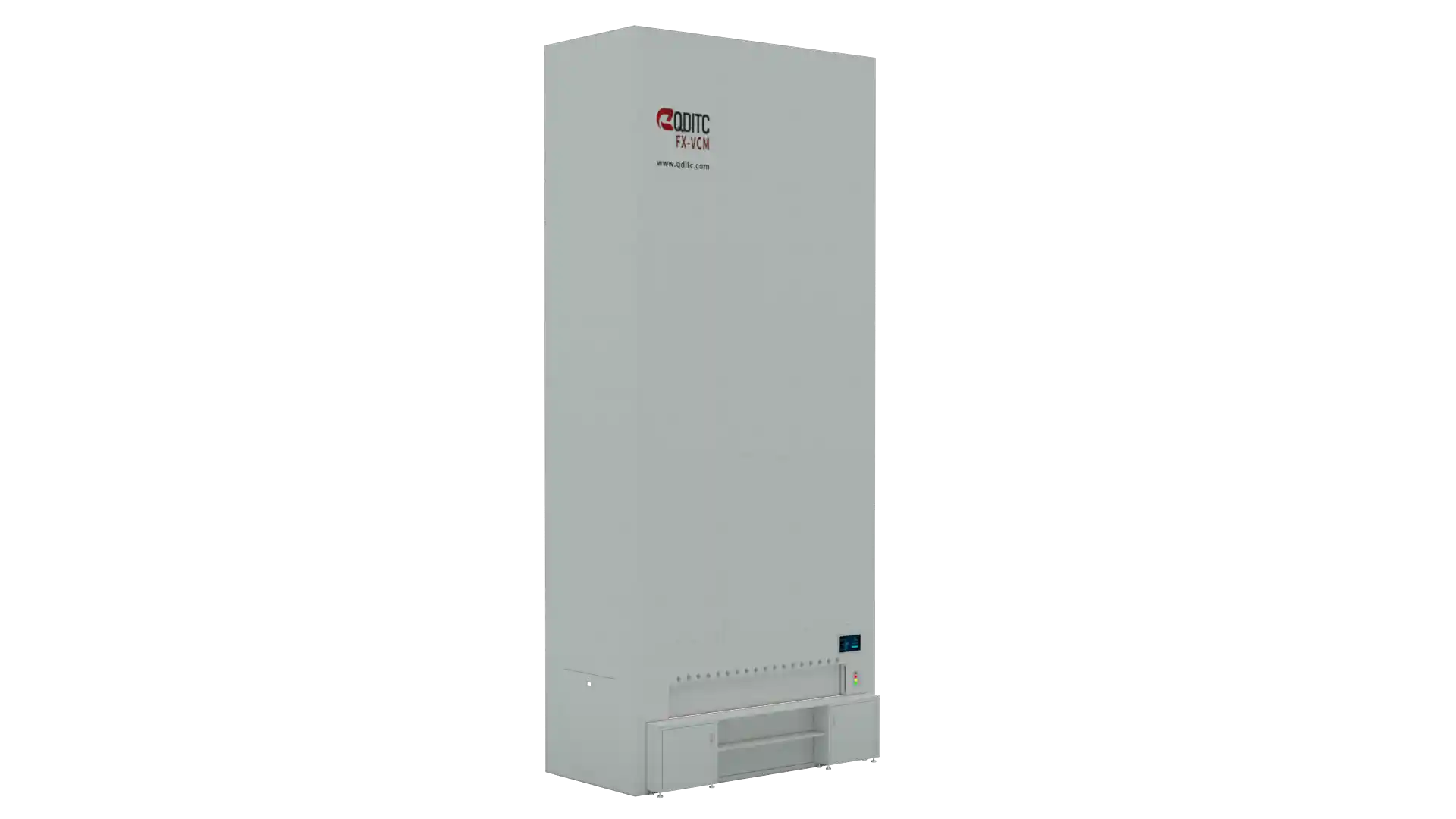
Vertical carousels operate on a simple principle: rotate carriers in a vertical loop and deliver requested items to a fixed access point. The FX-VCM: Vertical Carousel Module and PG-VLM: Vertical Lift Module both leverage this approach, though they differ in mechanism and load capacity.

The space mathematics favor vertical storage solutions in most facilities. A vertical carousel can reduce floor space requirements by up to 75% compared to traditional shelving. That’s not marketing language—it reflects the basic geometry of stacking storage vertically rather than spreading it horizontally.

Operator ergonomics improve significantly with vertical carousels. Items arrive at waist height regardless of where they’re stored in the system. This eliminates ladder climbing, bending, and reaching that characterize manual retrieval from tall shelving units.

Typical Space Savings with Vertical Carousel Systems

Vertical carousels convert overhead space that would otherwise sit empty into active storage capacity. The warehouse footprint reduction becomes especially valuable when real estate costs are climbing or expansion isn’t feasible.

Our FX-VCM: Vertical Carousel Module achieves this vertical storage solution through rotating carriers that maximize cubic utilization. The practical impact varies by facility, but the principle holds: vertical space is often the cheapest square footage available.

VCM1

FeatureVertical Carousel (FX-VCM)Vertical Lift Module (PG-VLM)
Storage MethodVertical rotating carriersTrays stored and retrieved by inserter/extractor
Space UtilizationExcellent for small items, high densityExcellent for varied items, high density and weight
Max Tray LoadVaries by model, typically < 500kgUp to 1000kg per tray
Item SuitabilitySmall parts, tools, archivesUltra-long, ultra-wide, heavy materials, molds
Key BenefitSpace saving, picking accuracyHeavy-duty storage, modular design

Horizontal Carousels Prioritize Speed Over Density

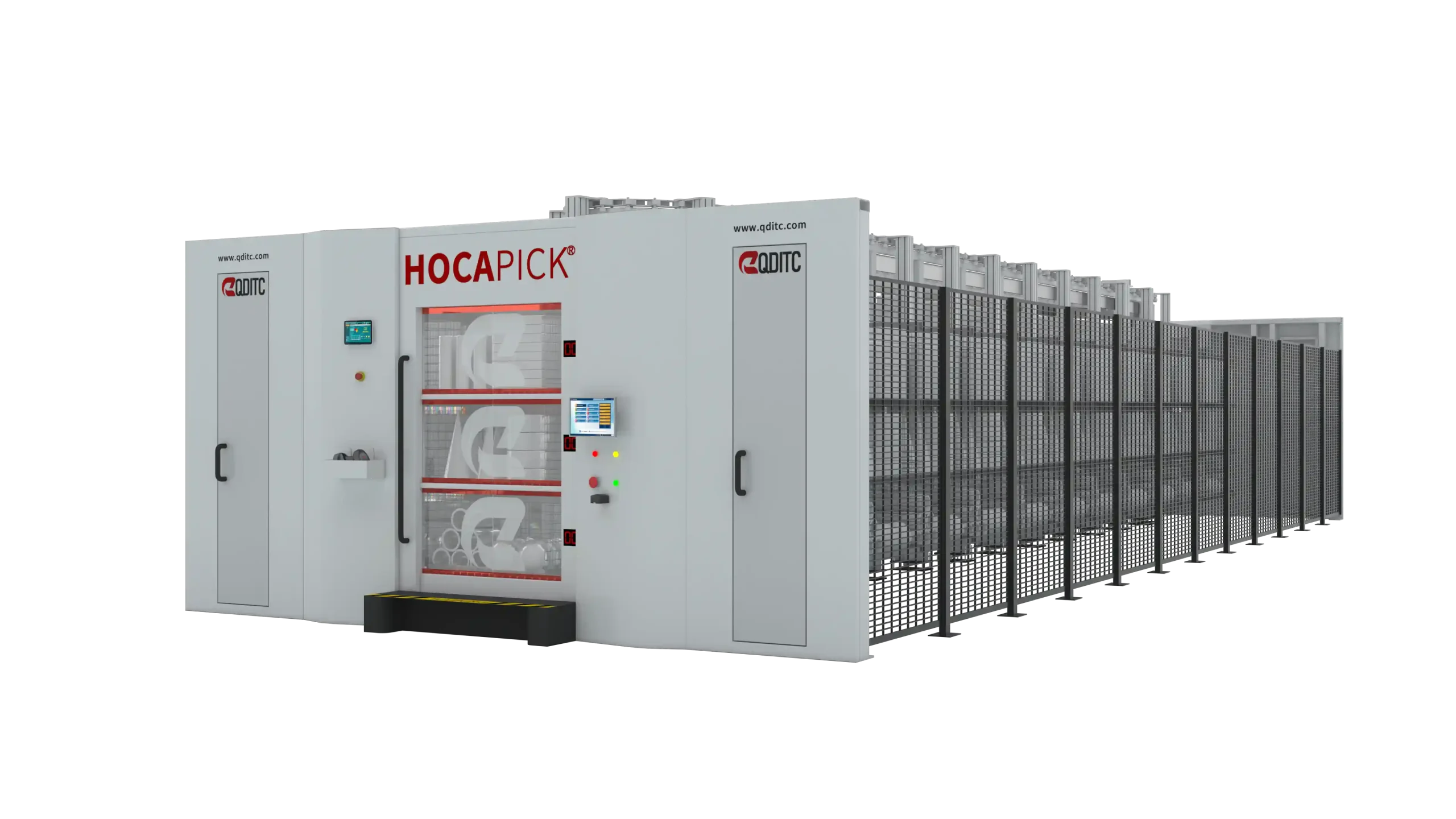
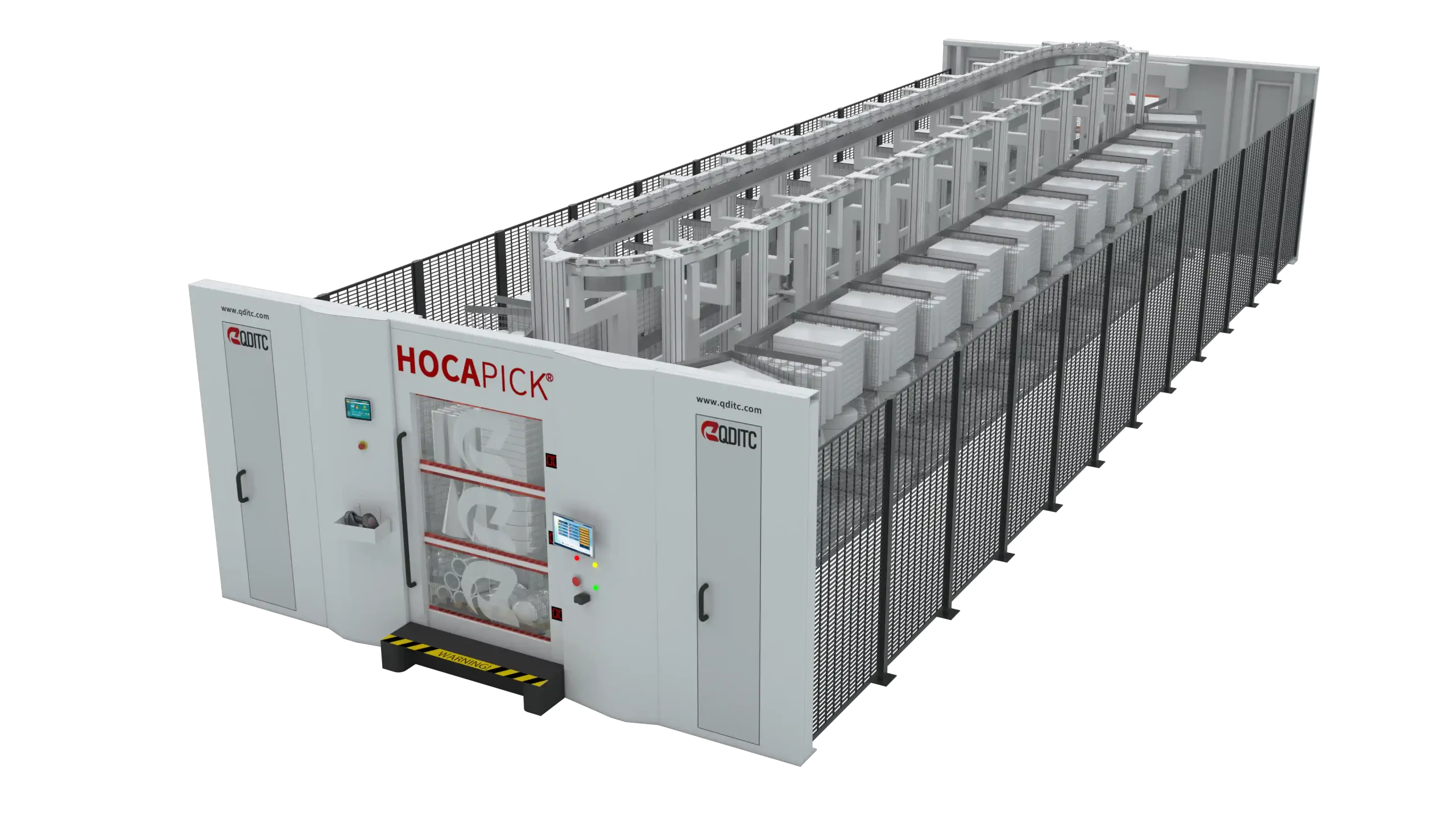
Horizontal carousels take a different approach. Bins rotate on a horizontal track, presenting items to operators without the vertical travel time. The FXH-HCM: Horizontal Carousel Module can boost order picking efficiency by up to 60% in high-volume environments.

The throughput advantage comes from eliminating picker travel time entirely. Instead of walking to items, operators stand at a fixed station while the carousel brings requested products to them. This aligns with lean manufacturing principles by cutting out movement that adds no value.

Horizontal storage solutions work particularly well when facilities have limited ceiling height but adequate floor space. They’re also easier to integrate into existing workflows because they don’t require structural modifications to support vertical loads.

HCM-1

Comparing Vertical and Horizontal Carousel Performance

The choice between vertical and horizontal carousels rarely comes down to a single factor. Both systems serve automated storage and retrieval needs, but they optimize for different constraints.

Vertical carousels win on space utilization. Horizontal carousels win on throughput for high-volume operations. The return on investment calculation depends on which constraint matters more for a specific facility.

System integration capabilities matter as well. Both carousel types need to communicate with warehouse management systems and enterprise resource planning software. Scalability and maintenance requirements affect long-term cost analysis of carousels beyond the initial purchase price.

Throughput Differences Between Horizontal and Vertical Carousels

Horizontal carousels often achieve higher throughput for high-volume, small-item picking because they can present multiple items to a picker simultaneously. The operator doesn’t wait for vertical travel between picks.

Vertical carousels excel in high-density, lower-volume scenarios where space savings outweigh the need for maximum picking speed. The choice depends on specific picking strategies and how quickly orders need to ship.

Matching Carousel Type to Order Volume Requirements

For high-volume order picking, horizontal carousels generally make more sense. Their design supports continuous picking operations where speed drives warehouse productivity. When order fulfillment optimization depends on rapid throughput, horizontal configurations deliver.

FeatureVertical Carousels (e.g., FX-VCM)Horizontal Carousels (e.g., FXH-HCM)
Space UtilizationMaximizes vertical spaceMaximizes horizontal footprint
ThroughputModerate to highHigh, especially for batch picking
Cost EfficiencyLower operational costs for spaceLower initial investment for some setups
Inventory TypeSmall, varied itemsSmall to medium, high-volume items
FootprintSmallLarger, linear
ScalabilityModular, stackableExpandable by adding units

PICKUPSTATION1

Selecting the Right Carousel Configuration for Your Facility

The best automated carousel system depends on specific operational constraints. Inventory characteristics, available space, budget limits, and growth projections all influence the decision.

The FX-VCM: Vertical Carousel Module handles diverse materials well—everything from mold inspection tools to hospital pharmaceuticals—especially in facilities with abundant vertical space. The FXH-HCM: Horizontal Carousel Module suits operations with height restrictions that need dense automated storage and high throughput.

Our SN-VSM: Vertical Sort Module offers straightforward single-item access and integrates smoothly with AGV and conveyor systems. These customizable solutions support supply chain optimization while accounting for future warehouse expansion. Careful warehouse design considerations during the selection phase pay dividends for years afterward.

HCM-2

Where Automated Carousel Technology Is Heading

Automated carousels continue evolving alongside broader industrial automation trends. Integration with AI, robotics, and advanced analytics will push carousel system efficiency further.

Smart warehousing solutions increasingly leverage real-time data for predictive maintenance, dynamic inventory allocation, and optimized picking routes. This intelligent management aligns with Industry 4.0 material handling principles, creating supply chains that respond faster to demand shifts.

The modular design and enhanced safety features of systems like the PG-VLM: Vertical Lift Module will keep improving, offering greater flexibility for operations that need to adapt quickly.

RACKBOT

Optimize Your Warehouse Operations

With 15 years of expertise in industrial warehousing equipment, Anhui Qiande Intelligent Technology Co., Ltd. is dedicated to providing precise, tailored solutions for your unique storage spaces and material handling challenges. Contact us today at +86 15262759399 or miaocp@qditc.com for a comprehensive consultation to optimize your operations.

What Safety Features Protect Operators Using Automated Carousels?

Modern automated carousel systems incorporate multiple safety layers: light curtains that stop operation when the beam breaks, emergency stop buttons within easy reach, safety interlocks on access doors, and controlled access points that prevent unauthorized operation. These features protect workers during material handling operations and meet industrial safety standards. Our FX-VCM and FXH-HCM include these protocols as standard equipment.

How Do Carousels Connect with Existing Warehouse Software?

Automated carousels integrate with Warehouse Management Systems and ERP software through standardized interfaces. This connection enables real-time inventory tracking, optimized picking sequences, and automated data exchange between systems. Our carousel systems feature open API interfaces that support multi-machine linkage and order system integration, reducing manual data entry and improving accuracy.

Can Carousel Systems Be Customized for Specific Applications?

Carousel customization is standard practice for industrial applications. Dimensions, tray configurations, and software functionalities can all be adapted to match specific storage requirements, material types, and operational workflows. We offer the FX-VCM and PG-VLM with a wide range of specifications to address diverse application scenarios, ensuring the system fits the operation rather than forcing the operation to fit the system.

Intelligent Storage Systems: VLM, VSM, VCM, VBM, ASRS Comparison

Choosing the right automated storage system feels a bit like picking the right tool for a job you’ll be doing for the next decade. Get it wrong, and you’re stuck with equipment that doesn’t quite fit your workflow. Get it right, and the efficiency gains compound year after year. After working through countless warehouse configurations, the distinctions between Vertical Lift Modules, Vertical Storage Systems, Vertical Carousels, Vertical Buffer Modules, and full-scale ASRS installations become second nature—but for anyone facing this decision for the first time, the overlap in terminology can make the whole landscape confusing. This breakdown covers what each intelligent storage system actually does, where each one excels, and how to match the technology to your specific operational reality.

How Automated Storage and Retrieval Systems Work

Automated Storage and Retrieval Systems form the backbone of modern intelligent storage system deployments. These configurations handle the storage and retrieval of items without constant human intervention, which reduces errors and increases storage density beyond what manual operations can achieve. The automation layer connects directly to warehouse management software, creating real-time visibility into inventory positions and movement patterns.

The practical benefit shows up in labor allocation. Instead of workers walking aisles and climbing ladders, the system brings items to a fixed access point. This goods-to-person approach cuts retrieval time dramatically, especially in facilities handling thousands of SKUs. The accuracy improvements matter just as much—automated systems don’t miscount, don’t put items in wrong locations, and don’t forget to log transactions.

Vertical Lift Modules and Vertical Storage Systems for Maximum Density

Vertical Lift Modules and Vertical Storage Systems both attack the same problem: wasted vertical space. Most warehouses have far more height than they use effectively. These intelligent storage system configurations reclaim that overhead volume and convert it into accessible storage.

A VLM operates with two columns of trays and a central extractor mechanism. When an operator requests an item, the extractor travels vertically, retrieves the correct tray, and delivers it to an ergonomic access opening. The PG-VLM configuration handles trays up to 1000kg each, making it practical for heavy tooling, molds, and oversized raw materials that would otherwise require forklift access and dedicated floor space.

The VSM approach differs in execution. Rather than trays, these systems use supports on both sides to secure standardized material boxes. Telescopic forks handle the extraction and delivery. The SN-VSM design works particularly well for turnover boxes and smaller components where single-item access matters more than bulk capacity. Integration with AGVs and conveyor systems extends the automation beyond the storage unit itself.

FeaturePG-VLM (Vertical Lift Module)SN-VSM (Vertical Sort Module)
DesignModular wall panels, compactSupports on both sides for material boxes
CapacityUp to 1000kg per tray, ultra-long/wide materialsTurnover boxes, specific width/depth storage units
SpeedHigh-speed operation, fast accessFast efficiency, single item access
ApplicationMolds, tools, raw materials, valuable finished goodsVarious application scenarios, can integrate with AGV/conveyors
CostLower cost, faster efficiencyLower cost, faster efficiency
SafetyVarious safety designs for stable operationVarious safety designs for stable operation

TOWERMAT

Vertical Carousels and Vertical Buffer Modules for High Throughput

Vertical Carousels and Vertical Buffer Modules serve different operational priorities than VLMs and VSMs. Where lift modules optimize for density and heavy loads, carousels and buffers optimize for speed and flexibility in picking operations.

The FX-VCM uses rotating shelves arranged in a vertical loop. Items travel to the operator rather than requiring an extractor to fetch individual trays. This continuous rotation works well for high-frequency picking where operators need rapid access to many different SKUs in sequence. Archives, inspection tools, electrical components, and medical supplies all fit the profile—items accessed often, stored in moderate quantities, and small enough to fit rotating shelf configurations.

Vertical Buffer Modules fill a different niche. They stage items between processes, holding picked goods until downstream operations are ready to receive them. This buffering function smooths out timing mismatches between picking speed and packing or shipping capacity. The sequencing capability also matters—items can be released in a specific order regardless of when they were picked.

SystemPrimary BenefitIdeal Use Cases
VCMHigh-density vertical storageArchiving, small parts picking, tool storage, medical supplies
VBMRapid buffering and sequencingOrder consolidation, kitting, production line feeding

If you’re interested in specific applications, check 《Vertical Carousel Module Storage System》.

Matching Each Intelligent Storage System to Operational Requirements

The selection process for any intelligent storage system starts with honest assessment of what you’re actually storing and how you need to access it. A facility handling heavy dies and molds has fundamentally different requirements than one picking small electronic components for kitting operations.

VLMs make sense when individual items are heavy, oversized, or valuable enough to justify the investment in automated handling. The 1000kg tray capacity of the PG-VLM handles tooling that would otherwise require overhead cranes or forklifts for every access. That elimination of heavy equipment from the storage area improves safety and reduces the skilled labor required for routine retrieval.

VSMs fit operations with standardized container sizes and high transaction volumes. The single-item access capability means operators can pick exactly what they need without handling an entire tray of mixed inventory. Integration with AGVs creates fully automated material flow from storage to production lines.

VCMs work best for moderate-weight items with high access frequency. The rotating mechanism delivers items faster than lift-based systems when operators need to pick from many different locations in rapid succession. Document archives, medical supply rooms, and maintenance tool cribs all represent good applications.

Full ASRS installations justify their higher complexity and cost when throughput requirements exceed what simpler systems can deliver. Pallet-scale operations, high-volume distribution centers, and facilities with 24/7 automated operation all benefit from the comprehensive automation that ASRS provides.

SystemCost (Initial)Speed (Throughput)Capacity (Density)Footprint (Space)Ideal Use Case
VLMMediumMedium-HighHighMediumStoring large, heavy, or long items, such as tools, molds, and valuable components
VSMMediumHighHighMediumSmall parts, turnover boxes, integration with automated material handling
VCMMedium-LowMediumGoodSmallArchives, small parts picking, tool storage, medical supplies
VBMMediumHighGoodSmallOrder consolidation, kitting, production line feeding
ASRSHighVery HighExcellentLargeHigh-volume distribution, pallet handling, 24/7 automated operations

gq-smartload3

Space Recovery and Density Gains from Vertical Storage

The space argument for vertical storage systems is straightforward math. A VLM or VSM can store the equivalent of 50 to 100 linear feet of shelving in a footprint of perhaps 100 square feet. The vertical dimension does the work that horizontal expansion would otherwise require.

This matters most in facilities where floor space carries real cost—urban locations with high real estate values, manufacturing plants where production equipment competes with storage for square footage, or operations that have simply run out of room to expand horizontally. The PG-VLM’s modular wall panel design allows installation against existing walls or in standalone configurations, adapting to available space rather than demanding a specific layout.

The density gains extend beyond raw square footage. Vertical systems eliminate aisle space between shelving rows. Traditional racking might achieve 40% space utilization when accounting for access aisles; vertical systems can exceed 80% utilization of their footprint because the access point is fixed and the storage moves to the operator.

Integration with Warehouse Management and Material Flow Systems

No intelligent storage system operates in isolation. The value multiplies when automated storage connects to warehouse management software, ERP systems, and physical material handling equipment like conveyors and AGVs.

The SN-VSM’s integration capability with AGVs and conveyors illustrates this principle. An operator or automated system requests an item, the VSM retrieves it, and an AGV carries it to the next process without any manual transport. The WMS tracks the entire transaction, updates inventory counts, and can trigger replenishment orders when stock levels drop below thresholds.

This connectivity also enables data collection that manual operations can’t match. Every retrieval gets logged with timestamps, operator identification, and destination. Over time, this data reveals picking patterns, identifies slow-moving inventory, and supports layout optimization. The intelligent storage system becomes a source of operational intelligence, not just a place to keep things.

SystemPrimary FunctionInventory TypeSpace UtilizationThroughput RateIntegration Capabilities
VLMHigh-density vertical storageUltra-long, heavy, valuable itemsExcellentMedium-HighWMS, ERP
VSMAutomated sorting & retrievalSmall parts, turnover boxesExcellentHighAGV, conveyors, WMS
VCMHigh-density rotating storageSmall parts, tools, documents, medicalGoodMediumWMS, order systems
VBMBuffering & sequencingVaried, typically for order fulfillmentGoodHighWMS, conveyors, picking systems
ASRSFully automated storagePallets, cartons, totesExcellentVery HighComprehensive WMS, ERP, material flow systems

What Drives Return on Investment for Automated Storage

The ROI calculation for any intelligent storage system involves several categories of benefit, and the relative importance varies by operation.

Labor savings often dominate the analysis. Automated retrieval eliminates walking time, climbing, and searching. An operator working with a VLM might complete three to five times as many picks per hour compared to manual shelving. Over a multi-shift operation, those productivity gains translate directly to reduced headcount or reallocation of labor to higher-value tasks.

Space recovery carries financial value when it defers facility expansion or allows consolidation of operations. If a VLM installation eliminates the need for a planned warehouse addition, the avoided construction cost can exceed the equipment investment.

Accuracy improvements reduce costs that don’t always show up in obvious line items. Mispicks generate returns, customer complaints, and expedited shipping to correct errors. Inventory discrepancies trigger cycle counts and investigations. Automated systems with WMS integration virtually eliminate these error categories.

The payback period depends heavily on labor costs, facility costs, and current error rates. Operations with high labor costs, expensive real estate, and significant quality issues see faster returns. Facilities with low labor costs and ample space may find the payback extends beyond comfortable investment horizons.

RACKBOT

Practical Considerations for Implementation

Successful deployment of any intelligent storage system requires attention to factors beyond the equipment specifications. Floor loading capacity matters—VLMs with fully loaded trays concentrate significant weight in a small footprint. Ceiling height determines maximum storage capacity. Power requirements and HVAC considerations affect installation planning.

Training deserves more attention than it typically receives. Operators need to understand not just the mechanical operation but the logic of how the system organizes inventory. Maintenance staff need familiarity with the specific components and common failure modes. The learning curve is real, and productivity during the transition period will lag the eventual steady-state performance.

Preventive maintenance schedules keep automated systems running reliably. Extractors, forks, and rotating mechanisms have wear components that need periodic inspection and replacement. Sensors and safety interlocks require calibration. The maintenance burden is generally lower than for mobile equipment like forklifts, but it’s not zero.

Where Intelligent Storage Technology Is Heading

The trajectory of intelligent storage system development points toward greater connectivity and intelligence. Industry 4.0 concepts are moving from conference presentations into actual warehouse installations. Real-time analytics identify bottlenecks and suggest layout changes. Predictive maintenance algorithms flag components approaching failure before they cause downtime.

Artificial intelligence is beginning to influence storage optimization—learning which items are frequently picked together and positioning them for efficient access, adjusting storage locations based on seasonal demand patterns, and optimizing retrieval sequences to minimize extractor travel time.

The integration between storage systems and broader supply chain visibility continues to deepen. Intelligent storage systems increasingly communicate not just with local WMS installations but with supplier systems, transportation management platforms, and customer order systems. This connectivity enables tighter synchronization between inventory positions and actual demand.

Optimize Your Operations with Anhui Qiande Intelligent Technology

With 15 years of dedicated experience in industrial warehousing equipment, Anhui Qiande Intelligent Technology Co., Ltd. is your trusted partner for optimizing storage spaces and material flow. We provide correct solutions for different storage spaces and materials, ensuring your operations achieve maximum efficiency and profitability. Contact us today at +86 15262759399 or miaocp@qditc.com for a personalized consultation and discover the perfect intelligent storage solution for your unique operational needs.

Frequently Asked Questions

What makes an intelligent storage system worth the investment compared to traditional shelving?

The value proposition centers on three factors: labor productivity, space utilization, and accuracy. Automated retrieval eliminates the walking, climbing, and searching that consume most of an operator’s time in traditional shelving environments. Vertical storage reclaims overhead space that conventional racking leaves unused. WMS integration ensures every transaction gets logged correctly, eliminating the inventory discrepancies that plague manual operations. The specific payback depends on your labor costs, space constraints, and current error rates, but facilities with high transaction volumes and expensive floor space typically see returns within two to four years.

How do I determine which intelligent storage system fits my operation?

Start with your inventory characteristics. Heavy items over 100kg point toward VLM configurations. High-volume small parts picking suggests VSM or VCM solutions. Buffering requirements between processes indicate VBM applications. Full pallet handling at very high volumes justifies comprehensive ASRS installations. Beyond the inventory itself, consider your throughput requirements, available ceiling height, floor loading capacity, and integration needs with existing WMS and material handling equipment. A site assessment that examines all these factors produces better recommendations than equipment selection based on catalog specifications alone.

Can these systems connect to our existing warehouse management software?

Modern intelligent storage systems are designed with integration as a core capability. Standard interfaces support communication with major WMS and ERP platforms. The SN-VSM, for example, integrates with AGVs and conveyor systems in addition to software connections. The integration enables real-time inventory updates, automated transaction logging, and coordinated material flow across multiple systems. Implementation typically requires configuration work to map data fields and establish communication protocols, but the underlying connectivity is a solved problem rather than a custom development project.

Smart Warehouse Digital Services: Predictive Maintenance & Data Analytics

Running a warehouse today means accepting that the old playbook no longer works. Equipment failures used to be something you dealt with when they happened. Inventory discrepancies were just part of the job. But after watching operations transform through digital services—predictive maintenance catching problems weeks before they become emergencies, analytics revealing inefficiencies that had been invisible for years—it’s hard to imagine going back. The shift isn’t about chasing technology for its own sake. It’s about gaining control over variables that used to feel random.

How Digital Services Reshape Warehouse Operations

Smart warehouse digital services are fundamentally changing how facilities run, shifting management from reactive firefighting to proactive intelligence. This matters for operational efficiency and supply chain optimization in ways that compound over time. The global smart warehouse market is projected to reach $30 billion by 2026, reflecting genuine demand for warehouse automation solutions rather than hype. Industrial IoT solutions that integrate with existing infrastructure deliver real-time data insights across every operational layer. When storage units, material handling systems, and inventory tracking work within a cohesive intelligent framework, the cumulative effect is substantial.

Specific equipment choices illustrate what this looks like in practice. The FX-VCM: Vertical Carousel Module offers a design that balances cost and efficiency, suitable for various materials and industries. The PG-VLM: Vertical Lift Module handles high-speed operation with storage capacity reaching 1000kg per Tray for ultra-long and heavy materials. Professional material information systems manage these modular designs, optimizing space utilization and operational flow. The FXH-HCM: Horizontal Carousel Module achieves dense automated storage through horizontal rotation, using an optimized algorithm to find the shortest path to materials. These systems support multi-machine linkage and integration with WMS and order systems.

VCM2

Specialized applications require different approaches. The SN-VSM: Vertical Sort Module handles automatic storage and retrieval of turnover boxes with telescopic forks, integrating with AGVs and conveyors. The SmartLoad-RackBot reduces implementation cycles by over 70% and costs by over 20% compared to traditional miniLoads. Energy consumption runs less than 35% of traditional systems, with more than double the speed. These capabilities contribute to a more agile warehouse ecosystem.

Predictive Maintenance Cuts Downtime and Extends Equipment Life

Predictive maintenance represents a fundamental shift in how smart warehouses approach equipment care. Instead of waiting for something to break, sensor technology monitors equipment health continuously, predicting failures before they happen. The numbers are significant: equipment downtime drops 70-75%, maintenance costs fall 25-30%. AI-driven maintenance platforms analyze data from automated storage and retrieval systems, including FX-VCM and PG-VLM units, ensuring continuous operational uptime while extending equipment lifespan.

Asset performance management relies on sophisticated algorithms that identify anomalies and forecast maintenance needs. This approach minimizes unplanned downtime and keeps critical equipment functional. Continuous monitoring of FXH-HCM units can detect subtle changes in motor performance or chain tension, prompting scheduled maintenance rather than emergency repairs. The strategic shift from reactive to predictive maintenance enhances equipment lifespan extension and optimizes how resources get allocated.

How can predictive maintenance reduce operational costs in a smart warehouse?

Predictive maintenance prevents costly emergency repairs and optimizes spare parts inventory. Maintenance gets scheduled during off-peak hours when equipment failures can be anticipated, avoiding production disruptions. This leads to significant cost savings in warehousing and improves overall ROI for smart warehouses.

FeatureReactive MaintenancePredictive Maintenance
ApproachFix after failureAnticipate and prevent
DowntimeHigh, unscheduledLow, scheduled
CostsHigh, emergency repairsLower, planned
Equipment LifespanShorterExtended
Data UseMinimalExtensive
EfficiencyLowHigh

Data Analytics Drives Warehouse Intelligence

Data analytics provides the intelligence modern inventory management requires for strategic decision-making. Companies utilizing data analytics for supply chain management report 15% higher inventory accuracy and 10% lower logistics costs. Advanced inventory management systems collect and process data from various sources, including automated storage solutions. Machine learning for logistics reveals patterns and insights that drive efficiency improvements.

Predictive analytics algorithms forecast demand, optimize storage layouts, and streamline picking processes. Data visualization tools transform complex datasets into actionable dashboards showing clear warehouse performance insights. Managers can make informed decisions that improve operational flow. Analyzing data from SmartLoad-RackBot operations reveals optimal picking routes and storage locations, enhancing efficiency further.

RACKBOT

What data analytics tools work best for warehouse optimization?

AI-powered dashboards and real-time reporting tools provide actionable insights for warehouse optimization. These tools offer comprehensive operational overviews and highlight improvement areas. Cloud-based warehouse platforms facilitate data integration and accessibility. Digital twin technology creates virtual models for simulating and optimizing processes before physical implementation.

Integrating Digital Solutions Requires Strategic Planning

Integrating new smart warehouse digital services into existing infrastructure presents real challenges. Success requires a phased approach, robust cybersecurity, and strong stakeholder buy-in. Comprehensive implementation strategies minimize disruption and maximize adoption. Cybersecurity in industrial IoT safeguards sensitive operational data from potential threats.

Regulatory compliance for data handling is another critical consideration. Solutions must meet stringent data protection standards for secure and compliant operations. Risk management in logistics involves identifying and mitigating potential integration risks through thorough planning and testing. Fifteen years of experience in industrial warehousing equipment production enables correct solutions for diverse storage spaces and materials, ensuring smooth transitions to digital operations.

HCM-1

For more information on overcoming integration challenges, you may find our article on 《Automation Transformation》 insightful.

Case Studies Show Measurable Smart Warehouse Results

The benefits of smart warehouse digital services show up clearly in real-world applications. A major logistics provider reduced equipment failures by 40% using predictive maintenance, saving millions annually. This demonstrates significant ROI for smart warehouses. Warehouse automation solutions like the FX-VCM and PG-VLM consistently deliver measurable efficiency improvements and cost reduction for clients.

Numerous companies have achieved sustainable warehouse operations through strategic deployment of modular and intelligent systems. A manufacturing client implemented FXH-HCM units and saw a 25% increase in picking speed along with a 15% reduction in labor costs. These outcomes highlight the transformative power of integrating advanced technologies with practical operational needs.

MetricBefore Smart WarehouseAfter Smart WarehouseImprovement
Equipment Downtime15%3%80%
Picking Accuracy90%99%9%
Storage Density60%85%42%
Labor CostsHighModerateSignificant
Energy ConsumptionStandardReducedNoted

AI, IoT, and Analytics Will Define Warehouse Operations

The future of warehousing will be shaped by the convergence of AI, IoT, and advanced analytics, driving hyper-automation and intelligent decision-making. AI-driven maintenance will become more sophisticated, with self-optimizing systems predicting and resolving issues autonomously. Machine learning for logistics will enable dynamic operational adjustments responding to real-time demand and supply changes.

Digital twin technology will create comprehensive virtual warehouse replicas, allowing simulated testing and optimization of new strategies before physical implementation. This will lead to unprecedented efficiency and adaptability levels. Products from the FX-VCM to the SmartLoad-RackBot will continue integrating these emerging technologies, providing future-proof solutions. The vision is warehouses that are not just automated but truly intelligent, capable of continuous learning and adaptation.

Start Your Digital Warehouse Transformation

Explore how expertise in smart warehouse digital services can benefit your operations. With 15 years of experience in industrial warehousing equipment production, correct solutions get tailored to different storage spaces and materials. Contact us to discuss your specific needs and discover how predictive maintenance and data analytics solutions can optimize your warehouse.

Email: miaocp@qditc.com
Tel: +86 15262759399

FAQ

What ROI timeline should warehouses expect from predictive maintenance implementation?

Most facilities see measurable returns within 12-18 months of full implementation. Initial gains come from reduced emergency repair costs and fewer unplanned shutdowns. Longer-term benefits include extended equipment life and optimized spare parts inventory. The exact timeline depends on current maintenance practices and equipment age.

How do smart warehouse digital services handle legacy equipment integration?

Legacy equipment can typically be retrofitted with sensors and connected to modern analytics platforms without full replacement. The key is identifying which assets provide the most value from monitoring. Phased integration allows facilities to prioritize high-impact equipment while maintaining operations on existing systems.

What cybersecurity measures protect warehouse IoT systems from threats?

Effective protection includes network segmentation, encrypted data transmission, regular security audits, and access controls limiting who can interact with critical systems. Continuous monitoring for unusual activity helps detect potential breaches early. Compliance with industry data protection standards provides a baseline framework.

Can smaller warehouses benefit from data analytics, or is this only for large operations?

Smaller warehouses often see proportionally larger benefits because inefficiencies have more impact on tight margins. Cloud-based platforms reduce upfront infrastructure costs, making analytics accessible at various scales. The key is selecting solutions that match operational complexity rather than assuming enterprise-level tools are necessary.

WMS Pricing 2025: Drivers, Budgeting, and ROI Strategies

Getting a clear picture of Warehouse Management System pricing for 2025 feels a bit like trying to nail down the cost of a custom-built house. The base price only tells part of the story. After working through dozens of WMS evaluations, what stands out is how often the real expenses hide in places nobody thinks to look until the invoices start arriving. A WMS represents a strategic investment for logistics optimization and supply chain efficiency, and modern warehousing complexity demands understanding what actually drives these costs.

What Actually Makes Up WMS Costs

The total cost of ownership for a WMS stretches well beyond that initial software license number everyone focuses on. Breaking down every expenditure category reveals where budgets actually go. Anhui Qiande’s expertise in industrial warehousing equipment can indirectly optimize WMS hardware and integration costs, providing correct solutions for diverse storage spaces.

Cost CategoryDescriptionImpact on TCO
Software LicensingPerpetual licenses or subscription fees.Ongoing operational expense or upfront capital.
Implementation ServicesConfiguration, data migration, and system setup.Significant initial investment.
IntegrationConnecting WMS with ERP, TMS, and automation systems.Adds complexity and cost.
HardwareServers, scanners, mobile devices, and networking equipment.Variable based on scale and existing infrastructure.
TrainingEducating staff on new WMS functionalities.Essential for user adoption and efficiency.
CustomizationTailoring the WMS to unique business processes.Increases complexity and maintenance.
Maintenance & SupportOngoing software updates, bug fixes, and technical assistance.Recurring operational expense.

Subscription Versus Perpetual Licensing

The licensing model shapes your entire WMS investment structure. SaaS subscription models bring flexibility and lower upfront costs, shifting capital expenditure into operational expenditure. Maintenance and updates typically come bundled in. Perpetual on-premise licenses demand a larger initial outlay for indefinite usage rights, though maintenance and upgrades cost extra. Your financial structure and long-term strategic goals should guide this choice.

Where Implementation and Integration Costs Sneak Up

Hidden WMS costs surface most often during implementation and integration phases. Data migration alone can consume weeks of effort. System re-engineering and connecting third-party systems like ERP and TMS drive costs higher than initial estimates suggest. Connecting a WMS with automated equipment such as our SmartLoad-RackBot requires precise planning and execution. Anhui Qiande’s solutions for different storage spaces simplify integration challenges, cutting down on unexpected expenses.

Building a WMS Budget That Holds Up

Effective WMS budgeting for 2025 needs a strategic framework that catches costs before they become surprises. Forecasting all potential expenses, including the overlooked ones, protects against budget overruns. Our experience providing correct solutions for various storage spaces helps align WMS with physical infrastructure, optimizing overall spend.

gq-smartload3

A structured budgeting approach works best:
1. Define Scope: Clearly outline WMS functionalities and integration requirements.
2. Estimate Software Costs: Account for licensing, customization, and future upgrades.
3. Project Implementation Expenses: Include data migration, configuration, and testing.
4. Budget for Hardware: Consider servers, mobile devices, and automated equipment.
5. Allocate for Training: Ensure adequate resources for user adoption and proficiency.
6. Plan for Ongoing Support: Factor in maintenance fees and potential future enhancements.

Making the ROI Case for WMS Investment

Quantifying return on investment for a WMS justifies the business case to stakeholders who need numbers. WMS benefits versus cost get measured through efficiency gains, cost reductions, and improved customer satisfaction. Our FX-VCM: Vertical Carousel Module and PG-VLM: Vertical Lift Module enhance inventory accuracy and optimize space utilization, directly contributing to a positive ROI.

Benefit CategoryKey MetricsImpact on ROI
Operational EfficiencyReduced picking errors, faster order fulfillment, optimized labor utilization.Decreased operational costs, increased throughput.
Inventory ManagementImproved accuracy, reduced stockouts, minimized obsolescence.Lower carrying costs, enhanced sales.
Space UtilizationOptimized storage density, reduced warehouse footprint.Lower real estate costs, increased capacity.
Customer SatisfactionFaster delivery, fewer errors, better service.Improved retention, higher revenue.
Data VisibilityReal-time inventory data, improved decision-making.Strategic advantages, proactive problem-solving.

A WMS delivers positive ROI for warehouse operations by streamlining processes and reducing manual effort. Integrating a WMS with our SN-VSM: Vertical Sort Module enhances single-item access and overall warehouse efficiency. This digital upgrading leads to significant logistics cost reduction.

Finding the Right Vendor and Negotiating Smart

Selecting the right WMS vendor determines whether your deal aligns with operational needs and budget constraints. The evaluation process should prioritize vendors with deep industry understanding and proven track records. Anhui Qiande, with 15 years of experience in industrial warehousing equipment, offers scalable WMS solutions and integration capabilities.

RACKBOT

Key considerations for vendor selection include:
* Functionality: Does the WMS meet current and future operational requirements?
* Scalability: Can the system grow with the business?
* Integration Capabilities: How well does it integrate with existing systems?
* Support & Training: What level of ongoing support and training is provided?
* Total Cost of Ownership: A clear understanding of all costs, not just the initial price.

Negotiating WMS contracts requires careful attention to licensing terms, service level agreements, and future upgrade paths. Long-term partnerships that offer continuous support and innovation tend to deliver better value than one-time transactions.

Preparing Your WMS for What Comes Next

Future-proofing your WMS investment means anticipating emerging trends and their impact on pricing and functionality. By 2025, AI in WMS, IoT warehouse management, and advanced warehouse automation will reshape the industry. Our 15 years of experience positions us as a knowledgeable partner in evolving warehouse technology.

VCM2

Key trends shaping WMS pricing and capabilities include:
* Artificial Intelligence and Machine Learning: Optimizing inventory placement, demand forecasting, and predictive maintenance.
* Internet of Things: Real-time tracking of assets, environmental monitoring, and connected devices.
* Robotics and Automation: Integration with automated storage and retrieval systems like our SmartLoad-RackBot, which reduces implementation cycles by over 70% and costs by over 20% compared to traditional miniLoad systems.
* Cloud-Based WMS: Enhanced scalability, accessibility, and reduced infrastructure costs.
* Sustainability: WMS solutions that support energy efficiency and waste reduction.

These advancements will drive future WMS pricing trends, favoring flexible, modular, and scalable solutions. Businesses must choose systems that can adapt to these technological shifts.

Optimize Your Warehouse Operations with Anhui Qiande

Anhui Qiande Intelligent Technology Co., Ltd. provides correct solutions for different storage spaces and materials. Our expertise in industrial warehousing equipment, including FX-VCM: Vertical Carousel Module, PG-VLM: Vertical Lift Module, FXH-HCM: Horizontal Carousel Module, SN-VSM: Vertical Sort Module, and SmartLoad-RackBot, ensures efficient and intelligent management. Contact us today to discuss your specific needs and optimize your logistics.

Email: miaocp@qditc.com
Tel: +86 15262759399

Frequently Asked Questions About WMS Pricing

How do I accurately estimate the total cost of a WMS implementation?

Start by identifying all direct costs: software licenses, implementation services, and hardware. Then account for indirect costs like staff training, customization, and ongoing maintenance. Integration fees with existing systems often get underestimated, so build in contingency there. A thorough assessment across all these categories produces a more accurate WMS cost projection than focusing on software alone.

What are the hidden costs associated with WMS software?

Data migration efforts consume more time and budget than most initial estimates allow. Third-party integration fees add up quickly when connecting ERP, TMS, and automation systems. Customization requests that seem minor often require significant development work. Ongoing support costs, unexpected hardware upgrades, and continuous staff training round out the expenses that catch organizations off guard.

Can a WMS truly deliver a positive ROI for my warehouse operations?

A WMS can deliver measurable ROI through several channels. Improved inventory accuracy reduces carrying costs and prevents stockouts that hurt sales. Optimized space utilization, often enhanced by equipment like our vertical lift module storage system, lowers operational expenses. Faster order fulfillment and reduced labor costs from increased warehouse efficiency contribute directly to profitability. The key is tracking these metrics before and after implementation to quantify the gains.

QDITC WMS+WCS Implementation: Timeline, Training, Go-Live

Getting a WMS and WCS system up and running involves more moving parts than most people anticipate. The planning phase alone can surface operational gaps that have been quietly costing money for years. After watching dozens of these projects unfold, the pattern becomes clear: the implementations that go smoothly share a common thread of methodical preparation and realistic timelines. Anhui Qiande Intelligent Technology Co., Ltd. (QDITC) has built its approach around this observation, drawing on 15 years of industrial warehousing equipment production to guide clients through each stage of deployment.

Why Strategic Planning Determines WMS+WCS Implementation Outcomes

Effective strategic planning forms the foundation of any successful WMS and WCS implementation. A well-defined strategy mitigates project risks and aligns the system with overarching business objectives. QDITC’s approach emphasizes meticulous initial planning, which significantly enhances project success rates.

This phase involves a detailed analysis of current operational workflows and future logistical requirements. The goal is to build a warehouse management system deployment strategy that actually reflects how goods move through your facility. We focus on establishing clear supply chain optimization goals and developing a logistics automation roadmap that accounts for real-world constraints.

Identifying specific system customization requirements early prevents costly mid-project pivots. Every warehouse has quirks. Maybe your receiving dock operates differently from your shipping area, or certain product categories need special handling rules. These details matter, and capturing them upfront saves significant rework later.

Defining Scope and Objectives for WMS/WCS Projects

Defining the precise scope and clear objectives is critical for WMS/WCS projects. This step sets realistic expectations and timelines that everyone can actually meet.

We collaborate with clients to establish key performance indicators and measurable outcomes. The ROI of WMS/WCS becomes tangible when you can point to specific metrics: order accuracy rates, pick times, inventory turn improvements. Without these benchmarks, success becomes subjective and harder to demonstrate.

The scope definition includes identifying all functionalities required, detailing integration points, and outlining the data migration planning strategy. Getting this wrong means either paying for features you will never use or discovering critical gaps after go-live.

How QDITC Structures the WMS and WCS Integration Timeline

QDITC’s extensive 15 years of experience in industrial warehousing equipment informs our refined WMS implementation timeline and WCS integration process steps. Our methodology is structured into distinct phases, each with specific milestones and deliverables.

This systematic approach ensures a controlled and predictable project progression. Surprises during implementation typically mean delays, and delays mean extended parallel operations with legacy systems. Neither outcome helps your bottom line.

We prioritize transparent project management methodology, providing clients with clear visibility into every stage. This includes detailed plans for data migration planning and system configuration phases. Understanding why WMS+WCS integration is crucial drives our commitment to precision throughout these phases.

gq-smartload3

What is the typical timeline for a WMS and WCS implementation project?

The typical timeline for a WMS and WCS implementation project varies based on complexity and scope. Simpler integrations might take 3-6 months, while extensive, customized solutions for large-scale operations could extend to 9-18 months.

Factors affecting implementation timeline include the degree of customization, data volume for migration, and the number of integrations with existing systems. A facility with five different conveyor systems and three separate ERP modules will naturally require more integration work than a straightforward single-system environment.

Our project management team provides a detailed average WMS implementation duration and WCS project length estimate during the initial planning phase. This transparency helps clients plan staffing, budget, and operational adjustments accordingly.

PhaseTypical DurationKey Milestones
Discovery & Planning2-4 WeeksRequirements gathering, scope definition, project plan approval
System Design & Configuration6-12 WeeksSolution architecture, system customization, data mapping
Development & Integration8-16 WeeksInterface development, hardware setup, initial testing
Testing & Training4-8 WeeksUser acceptance testing, comprehensive staff training
Go-Live & Post-Implementation Support2-4 WeeksSystem deployment, hypercare support, performance monitoring

Training Programs That Actually Prepare Your Team

Comprehensive training programs are vital for successful WMS+WCS adoption. The human element often determines whether a technically sound implementation delivers its promised benefits.

Effective training significantly boosts user proficiency, which directly impacts system ROI and reduces operational errors. A warehouse management system is only as good as the people using it. QDITC develops tailored warehouse system user training to ensure all staff, from operators to management, are proficient in the new systems.

This includes specialized WMS operator education and WCS staff proficiency modules. Our approach also incorporates change management strategies because resistance to new systems is natural. People need to understand not just how to use the new tools, but why the change benefits them personally.

Professional WMS training is essential for optimizing system performance and achieving long-term operational excellence. We have seen implementations stumble not because of technical issues, but because floor staff reverted to old habits within weeks of go-live.

How does QDITC customize WMS/WCS solutions for different warehouse needs?

QDITC customizes WMS/WCS solutions by analyzing specific client operational workflows, storage requirements, and material characteristics. This analysis drives the development of custom WMS training modules and tailored WCS user guides that directly address unique configurations.

For instance, a client utilizing FX-VCM: Vertical Carousel Module for small parts will receive training focused on its specific picking and storage features. The interaction patterns differ significantly from traditional shelving, and operators need hands-on practice with the carousel’s retrieval sequences.

Similarly, a facility with PG-VLM: Vertical Lift Module for heavy, oversized items will undergo training emphasizing its unique handling capabilities. Weight limits, tray configurations, and safety protocols all require specific attention.

Our industry-specific WMS solutions ensure that training is directly relevant and immediately applicable. Generic training wastes time and leaves knowledge gaps that show up as errors during peak periods.

Go-Live Support That Prevents First-Week Disasters

Ensuring a smooth go-live is paramount for QDITC. The first few days after cutover reveal whether all the planning and testing actually prepared the operation for real-world conditions.

Our dedicated WMS go-live support team provides intensive on-site and remote assistance during the critical transition period. This expert support significantly reduces potential downtime and operational disruptions. Having experienced hands available when unexpected situations arise makes the difference between a minor hiccup and a major incident.

We implement robust system downtime prevention protocols and provide real-time data analytics to monitor system performance immediately post-launch. Watching the numbers in those first hours tells us whether the system is behaving as designed or if adjustments are needed.

Following go-live, our focus shifts to WCS system optimization. Initial configurations are based on projected workflows, but actual usage patterns often reveal opportunities for fine-tuning. This comprehensive post-implementation assistance guarantees that clients fully leverage their new intelligent management systems.

RACKBOT

Measuring Success Through Ongoing Performance Monitoring

Maximizing ROI extends beyond initial implementation. The real value emerges over months and years of operation, which requires continuous post-implementation performance monitoring.

QDITC is committed to ensuring the WMS+WCS system evolves with your business needs. Warehouses change. Product mixes shift, order profiles evolve, and seasonal patterns fluctuate. A system that performed perfectly at launch may need adjustments six months later.

We establish clear WMS performance metrics and conduct regular audits to track system efficiency and identify areas for improvement. This ongoing evaluation allows for proactive adjustments, ensuring sustained warehouse efficiency improvement.

Our focus includes calculating the WCS ROI calculation through quantifiable data. Demonstrating tangible benefits of digital transformation in logistics helps justify continued investment and builds organizational support for future enhancements. This commitment to continuous improvement ensures our scalable warehouse solutions consistently deliver value and adapt to future demands.

The QDITC Advantage in WMS+WCS Implementation

Choosing QDITC for your WMS+WCS implementation means partnering with a leader in industrial warehousing equipment. With 15 years of experience, we possess the expertise to provide correct solutions for different storage spaces and materials.

Our comprehensive portfolio includes innovative solutions like the FX-VCM: Vertical Carousel Module, ideal for diverse material storage, and the PG-VLM: Vertical Lift Module, designed for ultra-long and heavy items. We also offer the FXH-HCM: Horizontal Carousel Module for dense automated storage in limited height scenarios, and the SN-VSM: Vertical Sort Module for efficient turnover box management.

Our SmartLoad-RackBot significantly reduces implementation cycles by over 70% and costs by over 20% compared to traditional miniLoad systems. It operates at twice the speed with less than 35% energy consumption. These numbers reflect real project data, not theoretical projections.

This breadth of technology, combined with our deep understanding of logistics automation, positions us as an expert WMS/WCS provider capable of delivering unparalleled QDITC WMS solutions and Anhui Qiande WCS integration.

Start Your WMS+WCS Implementation Project

Anhui Qiande Intelligent Technology Co., Ltd. brings proven WMS+WCS implementation expertise to every project. With 15 years of experience, we deliver tailored, efficient, and scalable solutions from planning to go-live and beyond.

Contact us today for a consultation to optimize your storage and material handling processes.

Email: miaocp@qditc.com | Tel: +86 15262759399

Frequently Asked Questions About WMS+WCS Implementation

What kind of post-go-live support does QDITC offer for their WMS/WCS systems?

QDITC provides comprehensive post-go-live support, including technical assistance, system monitoring, performance optimization, and ongoing training. Our goal is to ensure your WMS and WCS systems continue to operate efficiently and adapt to your evolving business needs.

We offer various support packages tailored to client requirements, ensuring minimal disruption and maximum system uptime. This commitment extends to ensuring seamless operation of your warehouse management system and warehouse control system.

How does QDITC ensure data security during WMS and WCS integration?

Data security is paramount during WMS and WCS integration. QDITC employs robust encryption protocols, secure data migration strategies, and strict access controls.

Our implementation process includes thorough security audits and compliance checks to protect your sensitive warehouse and inventory data throughout the entire project lifecycle. We adhere to industry best practices to safeguard your information, ensuring the integrity and confidentiality of your operational data.

Can QDITC’s WMS+WCS solutions integrate with existing ERP systems?

Yes, QDITC specializes in seamless integration of our WMS and WCS solutions with various existing ERP systems, including SAP, Oracle, and Microsoft Dynamics.

Our team works closely with your IT department to develop custom integration interfaces, ensuring smooth data flow and synchronized operations across your entire enterprise software landscape. This capability ensures that your new automated storage and retrieval system complements your current infrastructure rather than creating data silos.

Cloud vs. On-Premise WMS: Security, Cost, Flexibility Decoded

Choosing how to deploy a warehouse management system feels like one of those decisions that quietly shapes everything else. It touches daily operations, long-term costs, and how easily the whole setup can adapt when business conditions shift. The two main paths—cloud-based and on-premise—each carry distinct trade-offs around data security, total cost of ownership, and system flexibility. Getting this right matters more than most people realize until they’re living with the consequences.

How Cloud and On-Premise WMS Architectures Actually Differ

Warehouse management system deployment strategies split into two fundamentally different architectures. A cloud-based WMS runs as a Software-as-a-Service model, hosted and managed by a third-party vendor on remote servers. This approach eliminates the need for extensive in-house IT infrastructure. Vendors handle software updates, maintenance, and data backups as part of the service.

On-premise WMS takes the traditional route. The software runs on a company’s own servers within its physical facilities. Organizations maintain complete control over their hardware and software environment, though this requires dedicated IT staff for management, security, and upgrades.

The initial setup experience differs significantly between these approaches. Cloud WMS offers rapid deployment with subscription-based access. On-premise solutions demand substantial upfront capital expenditure for hardware and licensing before operations can begin.

FeatureCloud WMSOn-Premise WMS
DeploymentVendor-hosted, accessed via internetCompany-hosted on internal servers
MaintenanceManaged by vendorManaged by in-house IT
Initial CostLower upfront (subscription-based)Higher upfront (hardware, software, licenses)
ScalabilityEasily scalable (add/remove users/resources)Requires hardware upgrades, more complex
AccessibilityRemote access from any locationPrimarily internal network access
ControlShared control with vendorFull internal control

Data Security Demands Different Approaches in Each Model

Data security protocols and cybersecurity measures rank among the most scrutinized factors when evaluating warehouse management system deployment models. Cloud WMS providers typically invest heavily in robust security measures—advanced encryption, multi-factor authentication, and continuous threat monitoring—often exceeding what individual businesses could implement independently. These providers adhere to stringent regulatory compliance standards like GDPR and ISO 27001, offering comprehensive data privacy protections and disaster recovery plans. Data sovereignty concerns may arise, though, since information resides on third-party servers.

On-premise WMS gives organizations complete control over their data and physical infrastructure. This allows for tailored data protection strategies that match specific operational requirements. Businesses with unique regulatory demands or extremely sensitive data sometimes find this model advantageous. The trade-off is clear: responsibility for implementing and maintaining all cybersecurity measures falls entirely on the company. This includes data encryption, access controls, and disaster recovery planning. Significant internal IT expertise and resources become necessary to prevent data breaches and ensure continuous protection.

Is Cloud WMS More Secure Than On-Premise for Sensitive Data?

Security comparisons between cloud and on-premise WMS for sensitive data involve understanding the shared responsibility model that cloud deployments use. The vendor secures the infrastructure while the client secures their data within it. Cloud providers often employ dedicated security teams and advanced practices, including robust encryption, potentially offering superior protection against sophisticated cyber threats.

On-premise data protection gives organizations full control and responsibility. This can work well for highly sensitive data requiring bespoke security protocols. The catch is that this approach demands significant investment in internal expertise and continuous security audits to mitigate risks effectively.

Total Cost of Ownership Reveals Surprising Differences

Understanding total cost of ownership for a warehouse management system proves essential for sound financial planning. Cloud WMS typically involves lower upfront capital expenditure, operating on a subscription model that covers software licensing, infrastructure, maintenance, and updates. This shifts costs from capital expenditure to operating expenditure, which can enhance financial flexibility.

On-premise WMS requires substantial initial investment in hardware, software licenses, implementation, and IT infrastructure. Ongoing expenses include maintenance costs, software patching, system upgrades, and dedicated IT staffing. Evaluating return on investment requires comprehensive analysis of both direct and indirect costs over the system’s entire lifecycle.

What Hidden Costs Come With On-Premise WMS Ownership?

On-premise WMS ownership often brings several costs that don’t appear in initial quotes. Ongoing server maintenance, significant power consumption, and cooling expenses for dedicated data centers add up over time. Companies must also allocate resources for a dedicated IT team to manage the system, perform software patching, and handle routine troubleshooting.

Infrastructure upgrade costs recur as hardware eventually becomes obsolete. System downtime and data recovery efforts, though infrequent, can create substantial financial and operational losses when they occur. These factors contribute to the true cost picture that initial estimates often miss.

Scaling and Flexibility Work Differently in Each Architecture

The ability of a warehouse management system to adapt to evolving business needs matters for long-term strategic planning. Cloud WMS solutions excel in scalability, allowing businesses to adjust user licenses and storage capacity as demand fluctuates without significant hardware investments. This supports rapid growth or seasonal changes effectively. Cloud systems also offer enhanced remote access and mobile capabilities, enabling operations from various locations.

Customization in on-premise WMS can deliver deeper, bespoke solutions tailored to unique operational processes and integration challenges. Scaling an on-premise system, however, often requires substantial hardware upgrades and complex system modifications, making it less agile when conditions change quickly.

Integration capabilities with other systems like ERP or TMS matter for both deployment models. Cloud solutions often provide more standardized APIs for seamless connectivity, which contributes to overall supply chain optimization.

Can Cloud WMS Be Customized for Unique Warehouse Processes?

Cloud WMS can be customized for unique warehouse processes, though the approach differs from on-premise solutions. Cloud WMS configuration typically allows extensive parameter adjustments, workflow modifications, and report generation without altering core code. This enables businesses to tailor the system to specific operational requirements.

Limitations exist regarding deep code modifications in SaaS environments. Many cloud providers address this through robust API integration capabilities, allowing seamless connections with other enterprise systems and supporting bespoke solution development. This approach balances standardization with necessary flexibility for unique operational demands.

Real-World Performance Depends on Infrastructure Choices

The choice between cloud and on-premise WMS profoundly influences daily warehouse operations and overall productivity. Cloud WMS typically offers real-time data access, facilitating immediate decision-making and enhancing inventory accuracy. Inherent resilience, often backed by geographically dispersed data centers, contributes to high system uptime and minimizes disruption from outages. Performance can depend on network quality, though, which creates a variable that on-premise systems don’t face.

On-premise WMS, with direct control over hardware and network, can deliver consistent, high-speed performance for data-intensive operations. Both systems aim for warehouse automation and operational efficiency, but implementation and ongoing management differ substantially.

Effective user training remains vital for maximizing benefits from either system. Personnel need to leverage features properly, whether working with solutions like the SmartLoad-RackBot, which reduces implementation cycles by over 70% and increases speed by more than twice that of traditional miniLoads, or the FX-VCM: Vertical Carousel Module, designed for faster efficiency and greater environmental friendliness.

RACKBOT

Matching WMS Deployment to Actual Business Requirements

Selecting the ideal warehouse management system deployment model requires a strategic framework that aligns with specific operational context. Company size, available budget, existing IT capabilities, stringent security requirements, and projected growth should all guide this decision.

Small business WMS solutions often benefit from lower upfront costs and reduced IT overhead that cloud systems provide. Enterprise WMS solutions with complex, proprietary processes might lean toward on-premise deployment for deeper customization and control. Legacy system migration strategy and the level of expert consultation required also factor into the decision.

Anhui Qiande Intelligent Technology Co., Ltd. provides solutions like the PG-VLM: Vertical Lift Module, suitable for ultra-long and ultra-wide materials, or the FXH-HCM: Horizontal Carousel Module, which optimizes storage density and material access. These work effectively regardless of chosen WMS architecture.

HCM-1

Optimize Your Warehouse Operations with Anhui Qiande Intelligent Technology

With 15 years of expertise in industrial warehousing equipment, Anhui Qiande Intelligent Technology Co., Ltd. provides correct solutions for diverse storage spaces and materials. Contact us today at +86 15262759399 or miaocp@qditc.com for a personalized consultation on optimizing your warehouse operations, regardless of your WMS choice.

Frequently Asked Questions

What factors should small businesses consider when choosing between Cloud and On-Premise WMS?

Small businesses should prioritize ease of implementation, lower upfront costs, and scalability. Cloud WMS often delivers these benefits through subscription models that reduce IT overhead. On-premise solutions can prove too resource-intensive initially for smaller operations. Budget, existing IT infrastructure, and growth projections deserve careful consideration. Solutions like the SN-VSM: Vertical Sort Module are designed for modularity and cost-effectiveness, aligning with scalable growth patterns.

How does Anhui Qiande Intelligent Technology Co., Ltd.’s expertise complement WMS implementation?

Fifteen years of experience in industrial warehousing equipment production means understanding the physical infrastructure that a warehouse management system manages. We advise on integrating chosen cloud or on-premise WMS with specific storage spaces and material handling systems. This ensures seamless operational efficiency and maximizes WMS investment value. Comprehensive solutions range from automated storage and retrieval systems to intelligent management platforms.

Are there specific industries where On-Premise WMS is still preferred over Cloud WMS?

Industries with extremely stringent data sovereignty regulations, highly sensitive data requirements, or needs for deep proprietary system customizations often prefer on-premise WMS. Government, defense, and some highly specialized manufacturing sectors fall into this category, where complete control over the IT environment remains paramount for security and compliance. Robust physical infrastructure supports these demanding environments effectively.

WCS Real-Time Control: Millisecond Response Prevents Bottlenecks

Speed matters in warehouse operations. After years of watching facilities struggle with timing issues, the difference between a system that responds in seconds versus one that reacts in milliseconds becomes painfully obvious during peak demand. A warehouse control system built for real-time response changes how materials move through a facility. Production bottlenecks that once seemed inevitable start disappearing when equipment communicates fast enough to prevent problems rather than just report them.

What Makes a Warehouse Control System Work in Real Time

A real-time warehouse control system operates as the central nervous system for material movement. Unlike older approaches that batch commands and process updates on fixed schedules, these systems react continuously to changing conditions on the floor.

Breaking Down the Core Components

The foundation starts with Programmable Logic Controllers handling machine-level execution. These devices translate high-level commands into precise motor movements, conveyor speeds, and positioning adjustments. Above them, Supervisory Control and Data Acquisition platforms monitor everything happening across the facility and coordinate responses.

Sensors scattered throughout the operation feed constant data streams back to the warehouse control system. Photoelectric eyes track package positions. Weight sensors verify loads. RFID readers confirm identities. High-speed communication networks tie all these elements together, moving data fast enough that the system can react before problems develop.

Anhui Qiande brings 15 years of experience designing these integrated solutions for different storage configurations and material types. The challenge lies not just in selecting components but in making them work together as a unified system.

Why Milliseconds Actually Matter for Throughput

The gap between a 500-millisecond response and a 50-millisecond response might seem trivial on paper. In practice, that difference compounds across thousands of daily transactions.

gq-smartload3

The Cascade Effect of Small Delays

Consider a conveyor merge point where packages from two lines combine onto a single outbound lane. With slower response times, the warehouse control system might not detect a collision course until packages are already too close. The result is either a jam requiring manual intervention or emergency stops that ripple backward through the system.

Faster sensor-to-actuator communication eliminates these scenarios. The system spots conflicts earlier, adjusts speeds proactively, and maintains continuous flow. Automated guided vehicles receive updated routing instructions while still in motion rather than stopping to wait for commands.

Predictive analytics layered on top of real-time data push this further. The warehouse control system starts recognizing patterns that precede bottlenecks and adjusts operations before problems materialize. A surge of orders hitting the picking area triggers preemptive changes to replenishment priorities and conveyor routing.

Getting Implementation Right Without Disrupting Operations

Rolling out a warehouse control system rarely happens on a blank slate. Most facilities have existing equipment, established processes, and people who know how things currently work.

Legacy integration presents the first hurdle. Older PLCs may use communication protocols that modern systems don’t natively support. Data formats differ between equipment generations. Bridging these gaps requires careful protocol translation and sometimes hardware upgrades for critical bottleneck points.

Staff training deserves more attention than it typically receives. Operators comfortable with manual overrides need to trust automated decisions. Maintenance teams require new diagnostic skills. Supervisors must learn to read different performance indicators.

A phased approach usually works better than attempting a complete cutover. Starting with a single zone or process allows the team to work through integration issues on a smaller scale before expanding. Anhui Qiande structures implementations around this principle, building confidence through demonstrated results before tackling the next phase.

Measuring Returns Beyond Bottleneck Prevention

The financial case for a real-time warehouse control system extends well past avoiding production stoppages. Quantifying these benefits helps justify the investment and track ongoing performance.

MetricTraditional SystemReal-Time WCSImprovement
Downtime10%2%80%
Order Fulfillment Rate90%98%8%
Labor Efficiency70%95%25%
Inventory Accuracy95%99.9%4.9%
Error Rate2%0.1%95%

Labor efficiency gains come from reducing the time workers spend waiting for materials or correcting system errors. When the warehouse control system routes items accurately the first time, pickers spend more of their shift actually picking rather than searching or fixing mistakes.

RACKBOT

Inventory accuracy improvements ripple outward to purchasing decisions, customer promises, and financial reporting. Knowing exactly what exists and where it sits eliminates safety stock buffers that tie up working capital.

Connecting Warehouse Control to Broader Industry 4.0 Goals

Real-time warehouse control system capabilities serve as a foundation for more advanced automation initiatives. The same infrastructure that enables millisecond response times also generates the data needed for machine learning applications.

IoT sensors already feeding the warehouse control system can provide inputs for predictive maintenance algorithms. Vibration patterns from conveyor motors, temperature readings from drive units, and cycle counts from actuators all help identify equipment likely to fail before it actually does.

TOWERMAT

AI-driven optimization takes the historical data accumulated by the warehouse control system and finds patterns humans might miss. Perhaps certain product combinations consistently cause picking delays. Maybe specific inbound dock assignments create downstream congestion. These insights drive continuous refinement of operational rules.

The path toward self-optimizing warehouses runs through robust real-time control. Without the foundation of accurate, immediate data and responsive execution, advanced analytics have nothing reliable to work with.

Moving Forward with Confidence

A warehouse control system built for real-time response changes what facilities can accomplish. Bottlenecks that seemed structural become solvable. Throughput ceilings rise. Error rates drop to levels that would have seemed unrealistic a decade ago.

Anhui Qiande Intelligent Technology brings 15 years of industrial warehousing equipment expertise to these challenges. We design solutions matched to specific storage configurations and material handling requirements.

Contact us to discuss how real-time warehouse control system capabilities could transform your operations.

Email: miaocp@qditc.com | Tel: +86 15262759399

Frequently Asked Questions About Real-Time WCS

How do WCS systems integrate with existing warehouse infrastructure?

Real-time warehouse control system platforms connect to existing equipment through standardized communication protocols and custom interfaces where needed. Most modern systems support common industrial standards like OPC-UA, Modbus, and various PLC-native protocols. The integration layer handles translation between different data formats, allowing information to flow between ERP systems, automated material handling equipment, and the warehouse control system itself. Anhui Qiande specializes in designing these integration architectures for facilities with mixed equipment generations.

What are the typical ROI metrics for implementing a real-time WCS?

Return on investment typically shows up across several measurable areas. Operational cost reductions come from better labor utilization and lower energy consumption through optimized equipment operation. Error rate decreases reduce rework and customer service costs. Improved inventory accuracy cuts carrying costs and prevents stockouts. Throughput increases allow facilities to handle more volume without proportional staffing increases. Most implementations achieve payback within one to three years, though results vary based on starting conditions and scope.

Can WCS adapt to fluctuating production demands and order volumes?

A properly designed real-time warehouse control system handles demand variability as a core function. Dynamic routing algorithms redirect materials based on current conditions rather than fixed paths. Resource allocation adjusts automatically as workloads shift between zones. The system processes incoming order data continuously, rebalancing priorities and equipment assignments without manual intervention. This flexibility proves particularly valuable during seasonal peaks or promotional events when order patterns deviate significantly from normal baselines.

WMS Software for China Manufacturing: Pricing & Implementation

Manufacturing in China moves fast. If your warehouse can’t keep pace with production schedules, material flow bottlenecks, and shifting customer demands, the entire operation suffers. That’s where a well-implemented Warehouse Management System comes in. After working with dozens of manufacturing facilities across different industries, I’ve seen firsthand how the right WMS transforms chaotic storage areas into precision-driven operations. But I’ve also watched companies stumble through implementations that dragged on for months longer than planned, or end up with systems that never quite fit their actual workflows. The difference usually comes down to understanding what you’re buying, what it will really cost, and how to make it work within your specific production environment.

Why Chinese Manufacturers Need More Than Basic Inventory Tracking

The manufacturing landscape here has evolved well beyond simple make-and-ship operations. Modern facilities juggle multiple product lines, just-in-time delivery requirements, and quality standards that demand complete material traceability. A WMS that only counts boxes won’t cut it anymore.

What separates effective WMS solutions from basic inventory software is integration depth. When your WMS talks directly to your manufacturing execution system and enterprise resource planning platform, you gain visibility that changes how decisions get made on the floor. Production planners can see exactly what materials are available, where they’re located, and when replenishment will arrive. Quality teams can trace any component back to its source within seconds.

The numbers support this approach. Facilities running integrated WMS solutions typically see operational cost reductions between 20% and 30%. Throughput increases because workers spend less time hunting for materials and more time on value-adding activities. These aren’t theoretical benefits—they’re measurable outcomes that show up in monthly performance reviews.

Industry 4.0 WMS implementations take this further by connecting warehouse operations to the broader smart factory ecosystem. Data flows continuously between systems, enabling real-time adjustments to picking priorities, storage assignments, and labor allocation. This level of responsiveness matters when production schedules change daily or even hourly.

RACKBOT;

What Actually Drives WMS Software Pricing in China

Pricing conversations around WMS software often start with the wrong question. Instead of asking “how much does it cost,” manufacturers should be asking “what will this actually require to work in my facility?”

The pricing model you choose shapes your financial commitment in ways that extend far beyond the initial purchase. Subscription-based WMS options keep upfront costs manageable and typically include ongoing updates and support. Perpetual licenses require larger initial investments but may offer lower long-term costs for stable operations. Custom development sits at the other end of the spectrum—higher variability in both cost and timeline, but potentially better fit for unusual requirements.

Pricing ModelUpfront CostCustomizationScalabilityMaintenance
SubscriptionLowModerateHighIncluded
Perpetual LicenseHighHighModerateAdditional
Custom DevelopmentVariableVery HighHighVariable

Cloud-based WMS cost structures appeal to manufacturers who want to avoid heavy infrastructure investments. You’re essentially renting computing resources and paying for what you use. On-premise WMS investment makes sense when data security requirements or network reliability concerns push you toward keeping everything in-house.

Total cost of ownership calculations should include implementation labor, data migration, testing, training, and the productivity dip that inevitably occurs during the transition period. These hidden costs often exceed the software licensing fees themselves.

Key Factors That Influence Your WMS Investment

WMS licensing fees in China vary widely based on user counts, transaction volumes, and feature sets. But licensing is just the starting point.

Customization costs add up quickly when your processes don’t match the software’s default workflows. Every custom report, modified screen, or special integration requires development time. The complexity of connecting your WMS to existing MES and ERP systems directly impacts the project budget—clean, well-documented interfaces cost less to integrate than legacy systems with limited API support.

Training requirements depend on your workforce’s technical comfort level and the system’s usability. Plan for both initial training and ongoing support as staff turnover occurs. WMS support plans in China range from basic help desk access to dedicated on-site technical resources.

Maintenance and upgrade cycles matter for long-term planning. Some vendors include regular updates in subscription fees; others charge separately for major version upgrades. Understanding these patterns helps you budget accurately over a three-to-five year horizon.

Making WMS Implementation Work in Manufacturing Environments

Implementation is where good intentions meet operational reality. I’ve seen technically excellent WMS solutions fail because the implementation approach didn’t account for how the facility actually operates.

A phased approach reduces risk. Starting with a pilot area—perhaps a single product line or warehouse zone—lets you identify problems before they affect the entire operation. This staged rollout also gives your team time to build confidence with the new system.

Project management discipline matters more than most manufacturers expect. Clear milestones, regular progress reviews, and escalation paths for issues keep implementations on track. Stakeholder buy-in from warehouse supervisors, IT staff, and production managers prevents the resistance that derails many projects.

Integration with material handling equipment requires careful coordination. Conveyors, automated storage systems, and picking technologies all need to communicate with the WMS. Testing these connections thoroughly before go-live prevents embarrassing failures when production depends on the system working correctly.

Post-implementation support deserves as much attention as the initial deployment. Plan for a stabilization period where issues get resolved quickly and users receive additional coaching. WMS scalability for manufacturing operations should be built into the architecture from day one—adding new warehouses, product lines, or automation equipment shouldn’t require starting over.

Realistic Timelines for WMS Projects

A typical WMS project duration in China ranges from 3 to 12 months. That’s a wide range because facilities vary enormously in complexity.

Standardized implementations using out-of-the-box configurations can go live in three to four months for smaller operations. Complex WMS projects involving heavy customization, multiple site rollouts, or extensive integration work may extend to a year or longer.

Fast WMS implementation is achievable when you’re willing to adapt your processes to match the software rather than the other way around. This trade-off isn’t always wrong—sometimes the software’s default workflows represent industry best practices that improve on your current approach.

Resource allocation determines whether timelines hold. Projects that compete with daily operations for the same people’s attention inevitably slip. Dedicated implementation teams, even if they’re small, deliver more predictable results than part-time efforts squeezed between other responsibilities.

Features That Actually Matter for Production Efficiency

Not every WMS feature delivers equal value in manufacturing environments. Some capabilities are essential; others are nice-to-have additions that may never get used.

Real-time inventory tracking forms the foundation. Without accurate, current information about what’s in stock and where it’s located, everything else falls apart. Barcode scanning WMS functionality provides the data capture mechanism for most operations. RFID technology in warehouse environments offers hands-free scanning and better visibility for high-value or fast-moving items.

Inventory management system capabilities should match your material characteristics. Lot tracking WMS functionality in China is essential for industries with traceability requirements—pharmaceuticals, food processing, automotive components. Batch management software enables FIFO enforcement and expiration date control.

Warehouse automation features multiply the value of your WMS investment. Our FX-VCM: Vertical Carousel Module and PG-VLM: Vertical Lift Module integrate directly with WMS platforms to automate storage and retrieval. These systems reduce picking time and improve accuracy compared to manual operations.

Order fulfillment optimization algorithms determine picking sequences, batch groupings, and wave releases. Labor management system modules track productivity and help balance workloads across shifts. Quality control WMS features enable inspection workflows and hold management for suspect materials. Predictive maintenance WMS capabilities monitor equipment health and schedule service before failures occur.

Production-Critical WMS Capabilities

For optimizing production efficiency, WMS features must support the unique demands of manufacturing operations.

Lot tracking WMS functionality enables precise material traceability throughout the production cycle. When a quality issue surfaces, you need to identify affected batches immediately—not spend hours searching through paper records.

Batch management software enforces consumption rules that prevent quality problems. First-in-first-out picking ensures older materials get used before newer stock, reducing waste from expiration or obsolescence.

Production line integration means materials arrive at workstations exactly when needed. The WMS communicates with production scheduling systems to stage materials in advance, minimizing the time operators spend waiting for parts.

Quality control WMS features allow immediate identification and isolation of defective products. When incoming inspection flags a problem, the system can automatically quarantine affected inventory and prevent it from reaching production lines.

Evaluating WMS Vendors for Chinese Manufacturing Operations

Vendor selection shapes your experience for years after the initial purchase. The software itself matters, but so does the organization behind it.

Local support capabilities deserve serious evaluation. When your WMS stops working at 2 AM during a critical production run, you need someone who can respond quickly—ideally in your language and time zone. Vendors with established presence in China typically provide better support than those operating remotely from overseas headquarters.

Industry-specific experience reduces implementation risk. A vendor who has successfully deployed WMS solutions in facilities similar to yours understands the challenges you’ll face. They’ve already solved problems that would be new to a vendor learning your industry.

Logistics software expertise in China includes understanding regulatory compliance requirements. Documentation, reporting, and data retention rules vary by industry and location. Your WMS vendor should know these requirements and build compliance into the system design.

Customizable WMS solutions matter because no two manufacturing operations are identical. Evaluate how easily the system can be configured to match your workflows without requiring custom code. Configuration flexibility reduces both initial implementation costs and ongoing maintenance burden.

Scalability and product roadmap indicate whether the vendor will grow with your business. Ask about planned features, technology direction, and investment in the platform. A vendor whose product development has stalled may leave you with an outdated system within a few years.

Where WMS Technology Is Heading in Chinese Manufacturing

The trajectory of WMS development points toward deeper integration with emerging technologies. Understanding these trends helps you make investment decisions that remain relevant as capabilities evolve.

AI in warehouse management is moving from experimental to practical. Machine learning algorithms optimize slotting decisions, predict demand patterns, and identify anomalies that might indicate problems. These capabilities improve over time as systems learn from operational data.

IoT warehouse technology connects physical assets to digital systems. Sensors monitor temperature, humidity, and location throughout the facility. This data feeds into WMS platforms to enable condition-based storage decisions and automated alerts when parameters drift outside acceptable ranges.

Robotics in logistics operations in China is accelerating rapidly. Autonomous mobile robots handle transport tasks that previously required manual labor. Goods-to-person systems bring products to workers rather than sending workers to products. These technologies integrate with WMS platforms to coordinate movement and optimize throughput.

Data analytics WMS capabilities transform operational data into actionable insights. Dashboards show real-time performance metrics. Historical analysis identifies patterns and improvement opportunities. Predictive models forecast future requirements and potential problems.

Our SmartLoad-RackBot exemplifies these trends in practice. The system reduces implementation cycles by over 70% and costs by over 20% compared to traditional miniLoad systems. This kind of improvement becomes possible when advanced automation integrates seamlessly with intelligent WMS platforms.

Intelligent Solutions for Your Manufacturing Excellence

With 15 years of dedicated experience in industrial warehousing equipment, Anhui Qiande Intelligent Technology Co., Ltd. specializes in providing precise, tailored WMS solutions for diverse storage spaces and material types. Our expertise ensures optimal efficiency and seamless integration for your manufacturing plant in China.

Contact us today at +86 15262759399 or miaocp@qditc.com for a personalized consultation and discover how our intelligent technology can transform your operations.

What advantages does cloud-based WMS offer Chinese manufacturing plants?

Cloud-based WMS delivers lower upfront costs because you’re not purchasing servers and infrastructure. Deployment happens faster since there’s no hardware to install and configure. Updates arrive automatically, keeping your system current without IT intervention.

For Chinese manufacturing plants managing distributed operations, cloud accessibility means supervisors can monitor multiple facilities from anywhere with internet access. Scalability works in both directions—you can add capacity during peak seasons and scale back when demand drops. Integration with other cloud-native systems like ERP and MES platforms tends to be more straightforward than connecting on-premise systems across organizational boundaries.

How does WMS software improve inventory accuracy and reduce waste?

WMS software attacks inventory inaccuracy at its source. Real-time tracking through barcode and RFID scanning captures every movement as it happens. Automated cycle counting replaces periodic physical inventories with continuous verification.

This precision minimizes the human errors that create discrepancies between system records and physical reality. Accurate inventory data prevents both stockouts that halt production and overstocking that ties up capital. Better demand forecasting becomes possible when you trust your baseline numbers.

Material flow optimization reduces waste from multiple angles. Products spend less time sitting in storage, reducing obsolescence risk. Proper rotation enforcement prevents expiration losses. Efficient space utilization means you can store more in the same footprint, potentially avoiding facility expansion costs.

Can WMS integrate with existing MES and ERP systems in Chinese manufacturing?

Effective WMS solutions are designed specifically for integration with Manufacturing Execution Systems and Enterprise Resource Planning platforms. This isn’t an afterthought—it’s a core architectural requirement.

Integration creates unified data flow across production, warehousing, and business operations. Information entered once propagates to all systems that need it. Data silos disappear, replaced by consistent visibility across the organization.

The practical benefits show up in daily operations. Production schedules reflect actual material availability. Purchase orders trigger automatically when inventory drops below reorder points. Customer order status updates flow through to shipping without manual intervention.

In complex Chinese manufacturing environments, this integration capability often determines whether a WMS implementation succeeds or struggles. Evaluate integration depth carefully during vendor selection, and plan integration work as a major project component rather than a minor add-on.